
1943 Half Dollar Value: A Comprehensive Guide for Collectors
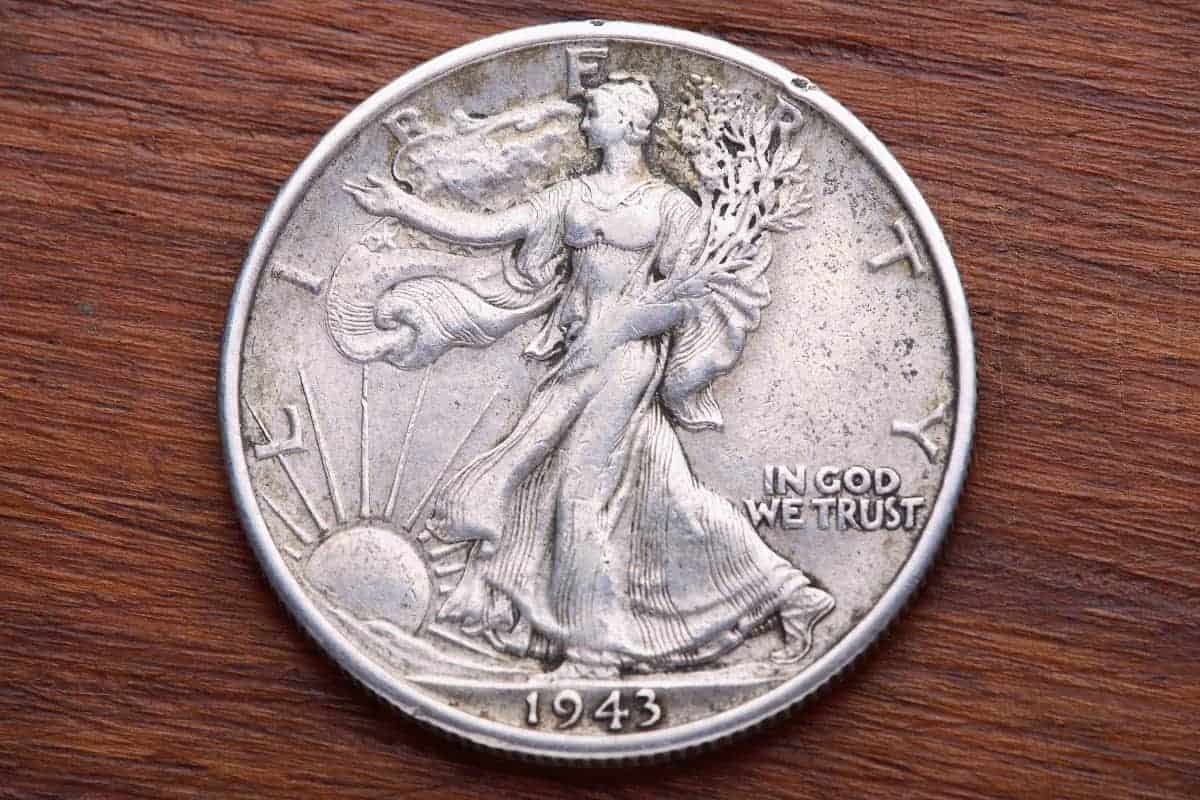
The 1943 Half Dollar, part of the beloved Walking Liberty series, is a coin that captures the hearts of collectors and investors alike. Struck at the height of World War II, this 90% silver piece showcases a breathtaking design and enjoys strong numismatic demand today.
Whether you‘re lucky enough to have a 1943 Half Dollar in your possession or you aspire to own one, it‘s important to understand what makes this coin so special and valuable. In this comprehensive guide, we‘ll explore the 1943 Half Dollar in detail – from its history and key features to its rarest variations and auction records.
By the end, you‘ll have expert insights into the 1943 Half Dollar and a clear sense of what these coins are really worth. Let‘s begin our numismatic journey into the past!
The History and Context of the 1943 Half Dollar
To fully appreciate the 1943 Half Dollar, it helps to understand its historical context. In 1916, the U.S. Mint introduced the Walking Liberty Half Dollar series to replace the previous Barber coinage. This new 50-cent piece, designed by acclaimed sculptor Adolph A. Weinman, featured a striking image of Lady Liberty mid-stride, with an American flag draped around her shoulders and her right arm extended toward the rising sun.
The reverse depicts a majestic eagle perched on a rock, with a mountain pine sapling in its talons. These powerful and patriotic images resonated with Americans and made the Walking Liberty Half Dollar an instant favorite.
Fast forward to 1943 – the world was in the midst of the Second World War and the United States was playing a pivotal role. Wartime production was in full swing, with mints working overtime to produce coinage for circulation. The 1943 Half Dollars were struck in substantial quantities to meet demand:
- Philadelphia Mint: 53,190,000
- Denver Mint: 11,346,000
- San Francisco Mint: 13,450,000
While over 77 million Half Dollars were minted in 1943, the coins saw heavy circulation during the war years. Many survived in lower grades, but gem-quality examples are scarce and command substantial premiums today.
Key Features and Specifications
All 1943 Half Dollars share the same iconic design and general specifications. Here‘s a quick overview of the key features:
Obverse:
- Liberty walking toward the rising sun, draped in the American flag
- Inscription: "LIBERTY" "IN GOD WE TRUST" "1943"
Reverse:
- Bald eagle perched on a rock clutching a pine sapling
- Inscription: "UNITED STATES OF AMERICA" "E PLURIBUS UNUM" "HALF DOLLAR"
Specifications:
- Composition: 90% silver, 10% copper
- Weight: 12.50 grams
- Diameter: 30.6 millimeters
- Edge: Reeded
While the overall design remains constant, there are important differences between the coins struck at each mint. We‘ll explore those varieties in more detail below.
1943 Half Dollar Varieties and Values
The value of a 1943 Half Dollar depends heavily on its condition and the specific variety. Coins are graded according to the Sheldon Scale from 1 to 70, with 70 being perfect mint state. Here‘s how the different varieties stack up:
1943 (Philadelphia)
The Philadelphia Mint produced the most 1943 Half Dollars, so this is the most common variety. Values range from around $20 in lower circulated grades up to $30,000+ for an MS68 example. The record price for a 1943 MS68+ is an astounding $120,000!
1943-D (Denver)
Denver had the lowest mintage for the year at 11.3 million coins. Well-preserved examples are scarcer and carry a premium over the Philadelphia issues. Prices span from $25 in low grades to $40,000 for a top-quality MS68. An exceptional 1943-D MS67+ sold for over $51,000 in 2021.
1943-S (San Francisco)
The San Francisco Mint produced 13.4 million Half Dollars, with gems being tougher to locate than the Philadelphia variety. Circulated examples start around $20, while an MS67 can bring $50,000 or more. The finest known 1943-S, graded MS68, commanded $66,000 at auction.
It‘s worth noting that major grading services like PCGS and NGC have certified only a small number of 1943 Half Dollars in the very highest grades. For the Philadelphia issue, just ten examples have been graded MS68+ with none finer. The 1943-D and 1943-S are even rarer in superb gem condition.
So while the 1943 Half Dollar had a substantial mintage overall, the survival rate for pristine examples is extremely low. This rarity in top grades, combined with the strong collector demand for this beloved series, is what drives the impressive values for high-end pieces.
Notable Errors and Varieties
As with many vintage coins, the 1943 Half Dollar is known to have several interesting error varieties. While less common than regular-issue pieces, these errors are highly sought-after by collectors. Here are a few of the most notable ones:
1943-S Prooflike
The San Francisco Mint struck a small number of Half Dollars using highly polished dies, resulting in a mirror-like prooflike surface. While not true proof coins, these PL examples are visually striking and scarce. A 1943-S PL graded MS65 by PCGS sold for $1,200 in 2006.
Off-Center Strikes
Some 1943 Half Dollars were struck off-center, with the degree of misalignment varying from a few percent to over 50% in rare cases. The value depends on the magnitude of the error. A dramatic 50% off-center 1943 sold for nearly $3,000 in 2020.
Wrong Planchet Errors
Occasionally, Half Dollar dies were used to strike the wrong planchets (coin blanks). Some interesting examples include 1943 Half Dollars struck on quarter planchets or even foreign coins like Peruvian half sols. These unusual errors are highly prized, with a Peru-mule specimen realizing over $18,000 in a 2008 sale.
These are just a few of the many error varieties known for the 1943 Half Dollar. Part of the fun of collecting this series is hunting for these strange and valuable anomalies!
Tips for Collecting 1943 Half Dollars
When building a collection of 1943 Half Dollars, there are a few key things to keep in mind:
-
Focus on quality. Given the high mintage, circulated examples are quite affordable. However, the value lies in top-grade mint state coins. Whenever possible, buy certified pieces from PCGS or NGC.
-
Understand the varieties. Take time to study the differences between the Philadelphia, Denver, and San Francisco issues. The presence or lack of a mint mark (on the reverse above "HALF DOLLAR") is the key diagnostic.
-
Keep an eye out for errors. You may get lucky and find an off-center strike or other error in circulation. If you spot something unusual, be sure to have it authenticated by experts.
-
Consider the set. Many hobbyists pursue a complete collection of Walking Liberty Half Dollars from 1941 to 1945. Assembling this "short set" is a great way to explore the World War II era coinage.
-
Think long-term. High-grade 1943 Half Dollars have shown solid and consistent gains in value over time. With their 90% silver content and strong numismatic demand, these coins can be a smart addition to a diversified portfolio.
Whether you‘re an experienced numismatist or a novice collector, the 1943 Half Dollar offers something for everyone. By arming yourself with knowledge and seeking out quality pieces, you can build a collection that‘s both historically fascinating and financially rewarding.
Conclusion
The 1943 Half Dollar is a coin rich in history, beauty, and numismatic significance. From its patriotic wartime imagery to its remarkable state of preservation in top grades, this 90% silver piece has an enduring appeal.
As we‘ve seen, the value of a 1943 Half Dollar can vary widely based on its condition, mint mark, and any errors or variations present. While circulated examples are readily available for a modest sum, the most pristine specimens have sold for six figures at auction!
For collectors, the challenge and thrill of pursuing this series lies in seeking out the highest quality examples. Whether you focus on a single mint, a particular grade threshold, or even error varieties, there are many ways to build a impressive and meaningful collection.
At the same time, the 1943 Half Dollar can be a savvy investment for those with a long-term outlook. With its intrinsic silver value and proven track record of appreciation over time, this coin has stood the test of time – both numismatically and financially.
As you explore the world of the 1943 Half Dollar, remember to buy from reputable sources, educate yourself on the nuances of the series, and above all – enjoy the journey! With a fascinating history, stunning designs, and a wealth of varieties to pursue, the 1943 Walking Liberty Half Dollar is a coin that will captivate collectors for generations to come.


