
Exploring the Best Material Choices for Long-Lasting Dirt Bike Graphics
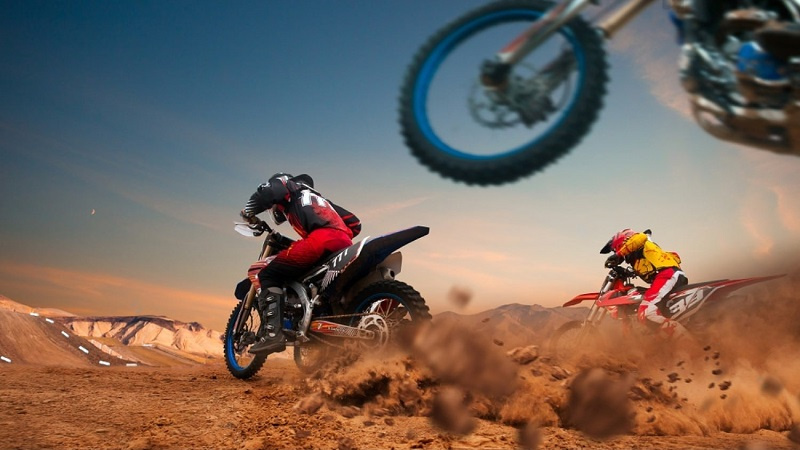
If you own a dirt bike, you probably want to make it your own. There are several ways to do that. You can equip the bike with new grips, foot pegs, front and rear hubs, and rims.
Maybe you'd like to change the seat to make it more comfortable and change the look of the bike. You can also replace the factory plastics with custom versions or give the entire bike a unique new paint job. Those are only a few of the ways you can personalize a dirt bike to make it one-of-a-kind.
Of course, you could also use graphics to customize your bike. Countless graphics kits and decals are on the market, so you're bound to find some that fit your personality. Not all graphics are created equally, though. You want them to stand out and last as long as possible. For that, you need to choose a Yamaha ATV graphics kit that's made of the right materials.
PVC and Vinyl
PVC and vinyl are among the best base materials for dirt bike and ATV graphics. PVC is a type of vinyl but it has a different chemical composition. Vinyl is composed of carbon and hydrogen. PVC contains those two elements as well as chlorine. Additional layers and additives may be used when creating ATV and dirt bike graphics.
Both PVC and vinyl are strong, long-lasting, and flexible. They can be made in various thicknesses to provide different levels of strength and protection against the elements.
Thicker graphics can protect dirt bikes from scuffs and scratches more effectively than thinner versions. They may provide added protection against ultraviolet radiation to help prevent fading as well.
Inks
Inks are also an important component of dirt bike graphics. Some graphics are printed using solvent-based inks. Those can produce vibrant colors while also lasting a long time.
They're generally made of different types of pigments blended with resins and an oil- or alcohol-based carrier. These types of inks are resistant to moisture, so they don't fade as easily as some other options. They're also tough, so they can resist scratches and other hazards.
Other graphics are made using UV-cured inks. They're extremely resistant to scratches and fading. They're also impervious to moisture, solvents, and chemicals, which is particularly important on a dirt bike or ATV.
These inks can also produce clearer, sharper images than other versions, and they tend to have a glossier finish. They stand out especially well.
Adhesives
Underneath the base layers and images, graphics have an adhesive layer. This layer is also crucial. It determines how well the graphics stick to the bike. Some are more resistant to moisture and additional hazards than others.
It's important to choose graphics that are made with adhesives that won't break down when exposed to moisture, heat, ultraviolet radiation, chemicals, solvents, and other elements. Those will look good for longer, and they'll stay on your bike more effectively.
Some graphics can simply be peeled off of their protective backing and applied to your bike. Others require a wet application method much like applying tint to car windows.
While wet-application graphics are more difficult to apply, they sometimes last longer. Dry-application graphics are certainly simpler to work with, but they may not go on as smoothly.
Finding the Right Graphics for Your Dirt Bike

You'll find an endless array of graphics available for your dirt bike. The materials they're made up can make a world of difference in how they look, how well they protect your bike, and how long they last. Keep the points mentioned here in mind to help you make the right choices.


