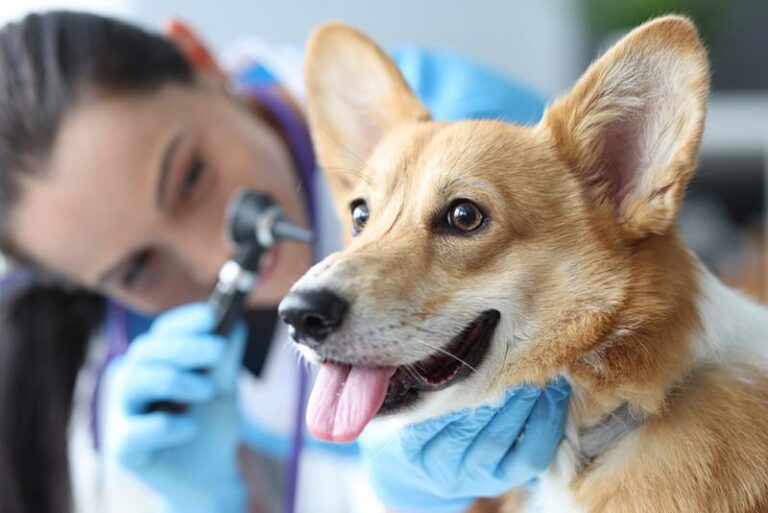
My Dog Ate My Blood Pressure Medication! A Vet‘s Guide on What to Do

As a veterinarian and dog lover, one of the scariest emergencies I see is when a beloved pup has accidentally ingested human medication. And of all the human meds dogs get into, blood pressure pills are among the most dangerous.
If you‘re reading this because your canine companion has eaten your blood pressure medication, take a deep breath. I know how terrifying it is to think your dog has been poisoned. But with swift action and proper veterinary care, most dogs are able to survive this frightening ordeal.
In this article, I‘ll explain why blood pressure drugs and dogs are a dangerous combination, walk you through the steps to take if it happens to your pooch, and share some tips for preventing medication mishaps in the future. My goal is to empower you with the knowledge to help your furry friend in case of an accidental overdose.
How Common Are Medication Poisonings in Dogs?
You might be surprised to learn that medication toxicity is one of the top reasons dogs visit emergency veterinary clinics. According to the ASPCA Animal Poison Control Center, nearly 50% of all calls involve human medications. And a study in the journal Frontiers in Veterinary Science found that blood pressure drugs are among the top 10 most commonly ingested human meds by dogs.
Here are some eye-opening statistics:
- The APCC receives over 200,000 calls about potential poisonings in pets each year
- 17.5% of these calls involve prescription human medications
- In one study, 45% of accidental medication poisonings in dogs involved heart medications
- Another study found that 64% of veterinarians treated at least one case of human med toxicity in dogs over a 2-year period
So while it‘s a nightmare scenario, know that you‘re not alone if your dog has gotten into your medication. Veterinarians are well-equipped to handle these emergencies. And in most cases, we‘re able to save these curious canines.
Why Are Blood Pressure Meds So Risky for Dogs?
To understand why blood pressure pills and pooches are a perilous combination, let‘s look at how these drugs work.
Blood pressure medications, including beta blockers, ACE inhibitors, and calcium channel blockers, all function by relaxing and widening blood vessels. This allows blood to flow through more easily, lowering the overall pressure in the circulatory system. In humans with hypertension, this effect is therapeutic.
However, in dogs, these same actions can send their blood pressure plummeting to life-threateningly low levels. That‘s because dogs are much smaller than humans, and their cardiovascular systems are not adapted to handle such a sudden and dramatic drop in blood pressure.
Additionally, dogs metabolize drugs differently than humans. They lack certain enzymes in their liver that break down medications. So the active ingredients in blood pressure pills can rapidly accumulate to toxic levels in their bloodstream.
The result is a cascading effect on the dog‘s body. Their blood pressure bottoms out, their heart rate slows, and their body is deprived of oxygen-rich blood flow. They grow weak, disoriented, and can even lose consciousness. In severe cases, organ failure, seizures, coma, and death can occur.
Here‘s a comparison of the effects of blood pressure medication in dogs vs. humans:
| Effect | Human | Dog |
|---|---|---|
| Blood pressure | Lowers to therapeutic range | Drops dangerously low |
| Heart rate | Slows slightly | Slows significantly |
| Oxygen supply | Adequate | Inadequate |
| Mental state | Normal | Disoriented, lethargic |
| Organ function | Maintained | Impaired |
As you can see, while people generally tolerate these medications quite well, they can send a dog‘s body into crisis. Size also matters, as a smaller drug dose can have an outsized effect on a petite pooch compared to a larger breed. Even one pill can pose a risk for dogs under 30 lbs.
To put it in perspective, let‘s look at some common blood pressure medications and their lethal dose 50 (LD50) for dogs. The LD50 is the dose at which 50% of dogs would be expected to die from an overdose.
| Medication | Lethal Dose for 50% of Dogs |
|---|---|
| Amlodipine | 5 mg/kg |
| Atenolol | 100 mg/kg |
| Enalapril | 200 mg/kg |
| Lisinopril | 400 mg/kg |
| Losartan | 1000 mg/kg |
Keep in mind, these are median lethal doses. Dangerous effects can occur at much lower doses, especially in small dogs. For example, a 10 lb dog would only need to eat 23 mg of Amlodipine to reach the LD50. That‘s less than two standard 5 mg tablets.
Other ingredients in blood pressure pills, such as artificial sweeteners like xylitol, can also be toxic to dogs in their own right. And liquid, chewable, or extended-release formulations may be absorbed more quickly and cause more severe effects than regular tablets.
All of this is to say – never assume a medication is safe for your dog, even in a small dose. A single pill could be poisonous. That‘s why it‘s so critical to jump into action if you discover your dog has ingested any of your meds.
What to Do If Your Dog Eats Your Blood Pressure Medication
If you suspect or know your canine companion has consumed any amount of blood pressure medication, here are the steps to take:
-
Immediately take away any remaining pills and quickly try to count how many are missing. Don‘t panic if you can‘t get an exact count, but a rough idea of the possible dose ingested helps the vet assess the severity of the situation.
-
Call an animal hospital, your regular veterinarian (if open), or a pet poison control helpline right away. Time is of the essence, so don‘t delay in getting expert guidance. Be ready to provide the medication name, dosage, estimated amount eaten, and when it happened.
-
Follow the consulting vet‘s instructions. They may advise you to induce vomiting at home, but only do this under their guidance. For some medications, making dogs throw up can cause more harm. The vet can walk you through the safest way to induce emesis using hydrogen peroxide.
-
If your dog is already showing worrisome symptoms like extreme lethargy, weakness, disorientation, collapse, or seizures, head to the nearest open veterinary facility immediately. Call on your way to alert them to the urgency of the situation so they can prepare to treat your dog as soon as you arrive.
-
Bring the medication container or packaging with you to the vet. In an emergency, don‘t waste precious minutes searching the house for it. But if you can quickly grab it on your way out the door, the information on the label can be incredibly helpful for the veterinary team.
-
If you can‘t find the medication bottle, write down any details you remember – the drug name, strength, prescribing doctor, and ideally a description or photo of the pills. This helps the vet determine the active ingredients and potential dose ingested.
As a vet, I can‘t stress enough how important it is to act quickly in these situations. I‘ve seen too many cases where owners waited until their dog was showing severe symptoms, and by then it was much harder to reverse the damage.
The sooner we can decontaminate and stabilize these dogs, the better their chances of a full recovery. So don‘t hesitate to call for help, even if you only think your pup might have eaten a pill. Better to err on the side of caution.
What to Expect at the Animal Hospital
When you arrive at the vet clinic or emergency animal hospital, be prepared for the team to jump into action. They‘ll quickly assess your dog‘s vital signs and symptoms and begin stabilizing treatments right away if needed.
Diagnostic tests will likely include:
- Blood pressure measurement: To check for hypotension (low blood pressure)
- Heart rate and ECG: To look for bradycardia (slow heart rate) and arrhythmias
- Blood chemistry panel: To evaluate electrolytes, kidney and liver function, and blood glucose
- Complete blood count (CBC): To check for anemia or inflammation
- Urine test: To screen for kidney damage or urinary crystals
The specific treatment plan will depend on your dog‘s condition and the time elapsed since ingestion. If caught early, the vet may induce vomiting or perform gastric lavage (stomach pumping) to remove as much of the medication as possible. Activated charcoal may also be given by mouth to bind any remaining drug particles in the digestive tract.
Dogs who are already showing signs of toxicity will likely need intensive supportive care. This may include:
- IV fluids to help maintain blood pressure and perfuse the organs
- Electrolyte supplementation, especially potassium which can become depleted
- Medications to raise blood pressure, such as dopamine or norepinephrine
- Heart rate support with drugs like atropine or glycopyrrolate
- Oxygen therapy or even ventilation for respiratory depression
- Anticonvulsants like diazepam for seizures
- Close monitoring of vital signs, neurologic status, and urine output
- Repeated lab work to track organ function and drug elimination
In severe cases, dogs may need to be hospitalized in the intensive care unit for 24-72 hours or more. It can take several days for the drug to be fully metabolized and for the cardiovascular and neurologic effects to resolve.
Will My Dog Be Okay?
The prognosis for dogs who have eaten blood pressure medication is generally good with timely and appropriate veterinary care. The key factors that influence the outcome are:
- The specific drug and dose ingested
- The size of the dog
- How quickly treatment is initiated
- The severity of symptoms at presentation
In my experience, most dogs who receive prompt decontamination and supportive care are able to fully recover. According to a study in the Journal of Veterinary Emergency and Critical Care, 96% of dogs who ingested beta blockers survived with treatment.
However, the outlook is more guarded for dogs who developed severe symptoms like profound bradycardia, hypotension, respiratory failure, or multiple organ dysfunction. These pups often require prolonged hospitalization and intensive interventions. Even with aggressive care, some may not survive or could have lasting health problems.
I‘ve treated many dogs over the years for accidental ingestion of owner‘s medications, including blood pressure drugs. And while each case is different, I‘m always amazed by the resilience of these animals and the deep concern of the pet parents.
One case that stands out was a tiny Chihuahua named Bella who ate her owner‘s Amlodipine. By the time they arrived at the ER, Bella was barely responsive and her blood pressure was too low to even register on our monitors. We immediately started IV fluids, medications to raise her pressure, and close monitoring.
It was touch and go for the first 24 hours, but Bella proved to be a fighter. Slowly but surely, her pressure normalized and she started perking up. After 3 days in the ICU, I‘m happy to report she made a full recovery.
Bella‘s case is a testament to the importance of seeking vet care quickly, even if you‘re not sure how much your dog ingested. Had her owner waited until morning, I fear Bella‘s story would have had a very different ending.
Of course, as a dog lover myself, I know how terrifying and overwhelming it is when your furry family member is sick. It‘s hard not to fear the worst. But I‘ve seen firsthand the incredible outcomes that are possible with swift action and expert care. So take heart – there is hope for your precious pup.
Preventing Future Medication Mishaps
Going forward, it‘s crucial to take steps to prevent your dog from accessing human medications. Even the most well-behaved dog may be tempted to chew on a plastic pill bottle, so it‘s up to us as pet parents to safeguard these dangerous items.
Here are some medication safety tips:
-
Store all human and pet medications in a secure location your dog absolutely cannot access. A high cabinet with a child-safety lock is a good option. Remember, child-proof does not mean dog-proof, so it‘s best to keep meds completely out of paw‘s reach.
-
Never leave loose pills out on counters, nightstands, or tables. It only takes a second for a curious canine to gobble one up. Consider using a daily pill organizer to keep doses handy without having to take the whole bottle out each time.
-
If you carry emergency medications like nitroglycerin with you, make sure they are always in a securely zipped inner pocket or bag compartment. Don‘t leave them loose in a purse or bag your dog could potentially get into.
-
During travel, store medications in a sturdy, latched container inside your zipped luggage. Avoid packing them in a carry-on that you might put down where your dog could sniff them out.
-
Houseguests should also be reminded to keep any medications safely zipped away and stored high out of your dog‘s reach. Provide a small lockbox for their room or bathroom if needed.
It‘s also smart to periodically do a "medication inventory" of your home. Check all your cabinets, drawers, and bags for any old pill bottles you may have forgotten about. Dispose of expired or unneeded medications properly through a drug take-back program – don‘t just toss them in the trash where pets could find them.
If you do need to give your dog any medications, be extra cautious to avoid mix-ups with human meds. Keep pet prescriptions stored separately from human ones, and always double check the label before administering.
And while it may seem hard to believe, some dogs actually do need blood pressure medications for heart conditions. But these are special veterinary formulations and doses – never try to treat your dog with human blood pressure drugs. Remember, dogs have unique physiology and don‘t develop high blood pressure the same way people do.
The Bottom Line
Discovering your dog ate your blood pressure medication is a terrifying experience, but you‘re not helpless. By taking immediate action and working with your vet, you can give your furry friend the best chance at a full recovery.
As a veterinarian, animal lover, and dog mom myself, I know how much our canine companions mean to us. They are cherished family members, and the thought of losing them is unbearable.
So if you find yourself facing this frightening situation, remember – you are your dog‘s best advocate. Trust your instincts, don‘t delay seeking help, and know that there are caring professionals ready to fight for your pup‘s life.
With knowledge, quick-thinking, and a whole lot of love, most dogs are able to survive accidental medication overdoses. And while it may be a harrowing experience, it‘s also an opportunity to reflect on the incredible bond we share with our canine companions.
Hold your dog close, take steps to prevent future accidents, and cherish every moment you have together. Our time with our beloved pets is never long enough, but by being proactive about their safety, we can help ensure they live their longest, happiest, and healthiest lives by our sides.