A Dog Lover‘s Guide to Treating Ear Hematomas at Home
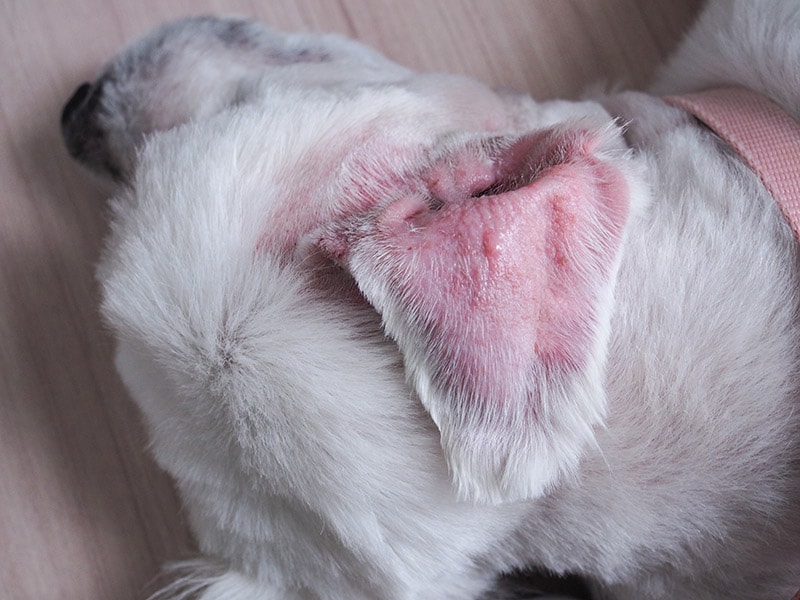
As a devoted dog parent, there‘s nothing quite as distressing as seeing your furry friend in pain. So when you notice your pup‘s ear suddenly ballooning up like a red, swollen pillow, it‘s natural to feel panicked and desperate to help. This common condition, known as an ear hematoma, affects an estimated 1-2% of dogs, with certain breeds like Basset Hounds and Cocker Spaniels being even more prone [1].
As a veterinarian and lifelong dog lover, I‘ve seen countless concerned owners come into my clinic with a pup sporting a painfully puffy ear flap. While prompt veterinary care is always advisable for ear hematomas, there are some steps you can take at home to alleviate your dog‘s discomfort and promote healing. In this comprehensive guide, I‘ll walk you through what causes ear hematomas, how to recognize them, and most importantly, how to safely and effectively treat them at home in partnership with your vet.
What Is an Ear Hematoma?
An ear hematoma, also known as an aural hematoma, is a localized collection of blood that forms between the skin and cartilage of a dog‘s ear flap (called the pinna). This occurs when tiny blood vessels in the pinna rupture, often due to trauma from aggressive head shaking or scratching. The blood then pools in the space between the skin and cartilage, causing the characteristic swelling and "pillowy" appearance [2].
While ear hematomas can theoretically happen to any dog, there are some factors that increase the risk [3]:
- Long, heavy ear flaps (think: Basset Hounds, Bloodhounds, Cocker Spaniels)
- Chronic allergies or ear infections that trigger frequent head shaking and scratching
- Blood clotting disorders
- Head trauma
- Skin masses or tumors on the ear flap
Recognizing the Signs of an Ear Hematoma
Ear hematomas typically come on suddenly and are hard to miss. Signs that your pup may have developed an ear hematoma include [4]:
- Swelling of the ear flap (either the entire pinna or a localized area)
- Ear flap that feels warm, thick, crinkly, or "squishy" to the touch
- Reluctance to have the affected ear touched
- Tilting the head to the side of the hematoma
- Excessive head shaking or pawing at the ear
- Whimpering or crying out in pain
- Foul odor, discharge, or debris in the ear canal (signs of infection)
If you notice any of these red flags, it‘s time to take a closer look at your dog‘s ears. Gently lift up the ear flap and examine the underside for any signs of swelling, discoloration, or discharge. If you see a fluid-filled lump or a boggy, bluish discoloration, your pup likely has a hematoma that needs attention.
Can You Treat an Ear Hematoma at Home?
The short answer is: it depends. For a small hematoma with no signs of infection, at-home care may be sufficient to allow the body to reabsorb the fluid over time. However, the majority of ear hematomas will benefit from professional treatment by your veterinarian. Attempting at-home treatment comes with some significant risks, including:
- Introducing bacteria and causing an infection by using non-sterile techniques
- Inadequate drainage leading to a permanent "cauliflower ear" deformity
- Delaying proper treatment and allowing the hematoma to worsen
- Causing unnecessary pain or distress to your dog
That said, if your vet gives you the green light to try conservative at-home management, there are some steps you can take to support the healing process and keep your pup comfortable.
At-Home Treatment Options
-
Apply warm compresses: Hold a clean, warm compress against your dog‘s affected ear for 5-10 minutes several times a day. This will improve circulation, reduce inflammation, and provide pain relief. Use a warm, damp washcloth or a microwaveable heating pad designed for animal use [5].
-
Gently massage the ear: Using light pressure, massage the affected ear flap in a downward motion (from base to tip) to encourage fluid drainage and break up any clots. If your dog shows any signs of pain, stop immediately.
-
Clean the ears: Use a veterinarian-approved ear cleanser to gently remove any discharge, debris, or excess wax from your dog‘s ear canal. This will help treat any concurrent infection and reduce itchiness. Never use hydrogen peroxide, rubbing alcohol, or other harsh chemicals in the ear canal [6].
-
Prevent scratching: Place an Elizabethan collar (e-collar or "cone") on your dog to keep them from traumatizing the ear and causing further damage. Keep the collar on at all times until the hematoma has fully healed.
-
Administer medication: If your veterinarian has prescribed any oral anti-inflammatory or pain medication, give it to your dog exactly as directed. Never give human pain relievers like ibuprofen or aspirin, as they can be highly toxic to dogs [7].
-
Apply a compression wrap: Some vets recommend wrapping the affected ear snugly against the head with a conforming bandage (like Vet Wrap) to provide gentle compression and discourage further fluid accumulation. If you choose to do this, be sure not to cut off circulation and remove the bandage twice daily to check the skin and allow the ear to breathe [8].
When to See the Vet
While these at-home remedies can provide supportive care, it‘s crucial to involve your veterinarian in the treatment process. Make an appointment to have your dog‘s ear evaluated as soon as you notice signs of a hematoma, and don‘t hesitate to head back to the clinic if you notice any of the following during at-home treatment:
- Spreading redness or warmth of the ear flap
- Persistent or worsening swelling
- Uncontrolled pain or distress
- Discharge or odor from the ear canal
- Loss of appetite or lethargy
Veterinary Treatment Options
In many cases, your vet will recommend professional intervention to fully resolve an ear hematoma and prevent long-term damage to the ear‘s structure. The most common treatment methods include:
-
Aspiration and steroid injection: Under sedation or local anesthesia, your vet will use a needle and syringe to drain the fluid from the hematoma. They may then inject a long-acting steroid medication into the space to reduce inflammation and discourage refilling. The ear is often bandaged for several days to apply pressure [9].
-
Surgical correction: For larger or recurrent hematomas, surgical repair is often the treatment of choice. The vet will make an incision in the ear flap to remove the clotted blood and then tack the skin to the cartilage with sutures to prevent fluid from reaccumulating. The incision may be left open to allow for drainage. A 2020 study found that surgery resulted in faster resolution and a lower risk of recurrence compared to medical management alone [10].
-
Oral medication and monitoring: In some cases, small hematomas may be managed with oral anti-inflammatory medication and close monitoring. This conservative approach is most appropriate for mild cases with no signs of infection, but may take several weeks to fully resolve and can leave the ear thickened or scarred [11].
Preventing Future Ear Hematomas
Whichever treatment path you and your vet choose, it‘s important to address the underlying cause of your dog‘s ear hematoma to keep the problem from recurring down the line. In most cases, a hematoma forms as a result of aggressive head shaking and ear scratching due to an allergy or infection [12].
To break this cycle and prevent future episodes, work with your vet on a comprehensive ear care and allergy management plan:
-
Treat any active ear infection: If your dog has an ear infection, your vet will prescribe topical or oral antibiotics to clear it up. Finish the full course of medication, even if symptoms improve.
-
Clean the ears regularly: Keep your dog‘s ears clean and dry to prevent excess wax and moisture from triggering infections. Use a veterinary ear cleanser (not alcohol or hydrogen peroxide) to gently wipe away debris. Do this weekly for dogs prone to ear issues [13].
-
Manage allergies: If your dog suffers from chronic allergies, your vet may recommend a special diet, supplements, or medications to reduce itching and inflammation. This may include omega-3 fatty acids, probiotics, antihistamines, or immunotherapy shots [14].
-
Consider surgical alteration: For dogs with chronic ear issues related to their anatomy (like floppy-eared breeds), a surgical procedure called a lateral ear resection can help improve airflow and reduce the risk of recurrent hematomas [15].
When to Worry
The vast majority of dogs with ear hematomas make a full recovery with appropriate treatment. However, in rare cases, an ear hematoma can be a sign of a more serious underlying condition like a blood clotting disorder or an autoimmune disease [16]. If your dog develops recurrent ear hematomas or any unusual symptoms like excessive bruising, nosebleeds, or lethargy, make an appointment with your vet right away.
Additionally, if an ear hematoma is left untreated for too long (generally more than 2-3 weeks), the scarring and thickening of the ear flap can become permanent. This "cauliflower ear" deformity not only impacts the cosmetic appearance of the ear, but can also affect hearing and predispose your dog to future infections [17]. While not necessarily an emergency, it‘s always best to tackle an ear hematoma as soon as you notice it developing.
The Bottom Line
As a dog parent myself, I know firsthand how upsetting it can be to see your pup in pain. Ear hematomas are certainly no fun for our four-legged friends, but the good news is that most cases resolve fully with appropriate care. By knowing the signs to look for, taking quick action, and working closely with your veterinarian, you can help your dog heal and get back to living their best, ear-flapping life.
While there are some at-home remedies that can provide relief and promote healing, it‘s essential to involve your vet in the treatment process. Ear hematomas often require more than just a "wait and see" approach, and delaying proper care can lead to permanent damage.
Ultimately, preventing ear hematomas is far preferable to treating them. By staying on top of your dog‘s ear health, managing any underlying allergies or infections, and providing regular ear cleaning and inspection, you can greatly reduce your pup‘s risk of developing a painful, puffy ear.
As a vet and a lifelong dog devotee, my goal is to empower you with the knowledge and tools to be the best advocate for your furry friend‘s health. Remember: you know your dog best, so never hesitate to contact your vet if something seems "off." By catching and treating ear issues early, you can keep those tail wags coming and ear flaps flapping for years to come.
References
- Cynthia M. Kahn, BA, MA, DVM, The Merck Veterinary Manual (11th Edition).
- Klein, A. (2019). Ear Hematoma in Dogs. American Kennel Club.
- Henderson, J., & Stead, A. (2020). Investigation and management of aural haematoma in dogs. In Practice, 42(1), 51-52.
- Mar Vista Animal Medical Center. Ear Hematomas.
- Burke, A. (2020). Home Remedies for Dog Ear Hematomas. American Kennel Club.
- Becker, M. (2011). Ear Hematomas: Why Your Dog Might Have a Big, Puffy Ear. VetStreet.
- U.S. Food and Drug Administration. (2020). Taking Care of Your Pet: Non-Steroidal Anti-Inflammatory Drugs (NSAIDs).
- Schwartz, S., DVM. How to Treat an Ear Hematoma in a Dog. VCA Animal Hospitals.
- Clinical Veterinary Advisor: Dogs and Cats (4th Edition).
- Hall, J. L., Weir, K. L., & Nold, J. B. (2020). Surgical correction of aural hematomas in dogs: 36 cases (1999–2019). Journal of the American Veterinary Medical Association, 256(8), 923-929.
- Forsythe, P. (2016). Aural haematoma in dogs. Companion Animal, 21(3), 142-147.
- Paterson, S. (2016). Topical ear treatment–options, indications and limitations of current therapy. Journal of Small Animal Practice, 57(12), 668-678.
- Barnette, C., & Ward, E. (2022). Cleaning Dogs‘ Ears. VCA Animal Hospitals.
- Olivry, T., DeBoer, D. J., Favrot, C., Jackson, H. A., Mueller, R. S., Nuttall, T., … & International Task Force on Canine Atopic Dermatitis. (2015). Treatment of canine atopic dermatitis: 2015 updated guidelines from the International Committee on Allergic Diseases of Animals (ICADA). BMC veterinary research, 11(1), 1-15.
- Bacon, N. J. (2012). Pinna. Veterinary surgery: Small animal, 2, 2059-2077.
- Hnilica, K. A., & Patterson, A. P. (2016). Small animal dermatology-E-Book: A color atlas and therapeutic guide. Elsevier health sciences.
- Miller, W. H., Griffin, C. E., Campbell, K. L., & Muller, G. H. (2013). Muller and Kirk‘s Small Animal Dermatology. Elsevier Health Sciences.