American vs English Golden Retrievers: An In-Depth Comparison
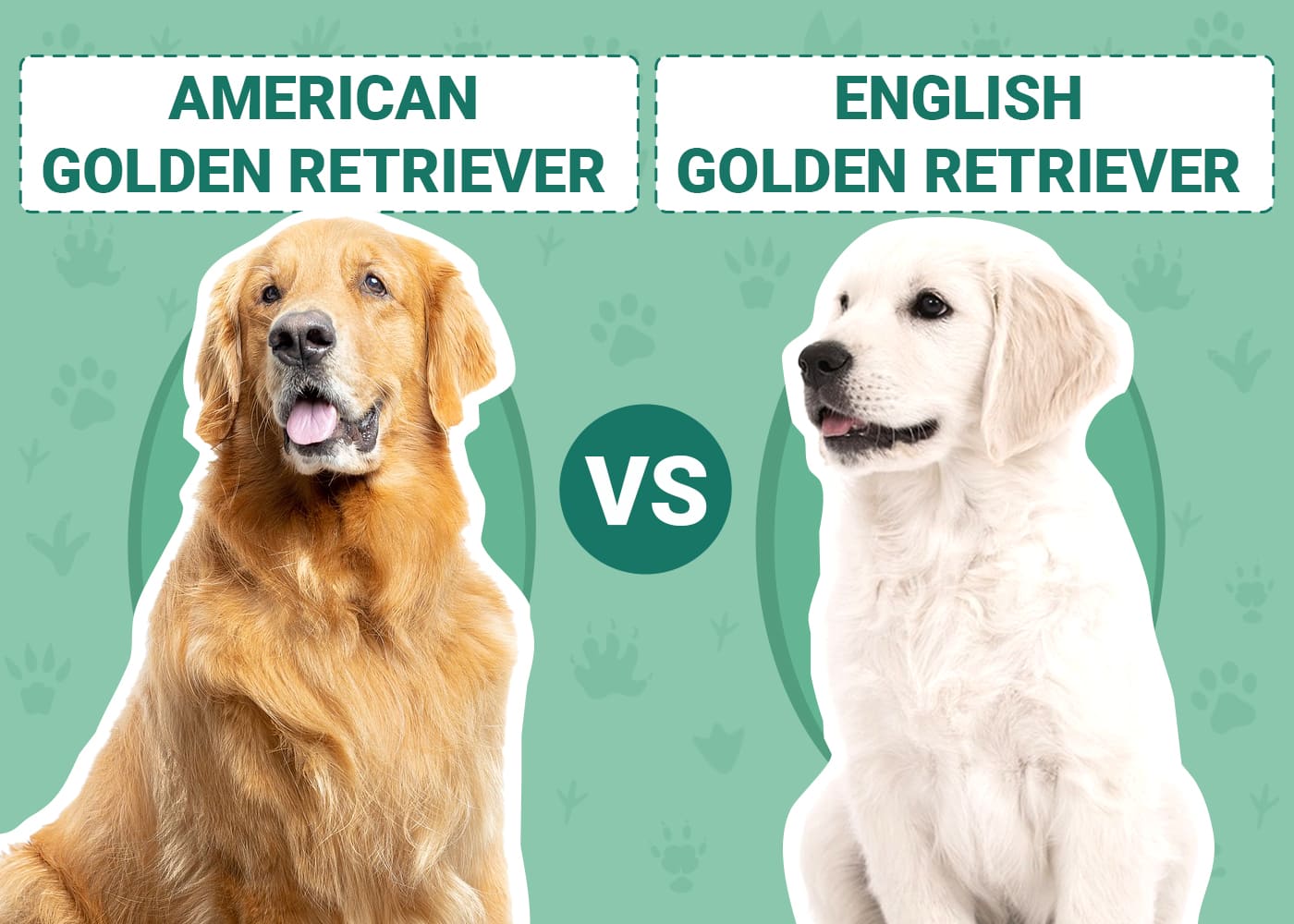
As a veterinarian and lifelong dog lover, I‘ve had the pleasure of sharing my life with several wonderful Golden Retrievers over the years. There‘s a special place in my heart for this incredible breed. While officially a single breed, there are some intriguing differences between Golden Retrievers bred to the American standard vs. the English (or British) standard. Let‘s take a deep dive into what distinguishes these two types of Goldens.
Breed History and Origins
The Golden Retriever breed originated in the Scottish Highlands in the mid-19th century. Lord Tweedmouth, an avid hunter and dog enthusiast, wanted to develop the perfect hunting companion and show dog. He started by crossing a Wavy-Coated Retriever named Nous with a Tweed Water Spaniel named Belle.
Later, Lord Tweedmouth bred in Irish Setter, Bloodhound, and more Tweed Water Spaniel. The result was the foundation of the Golden Retriever breed – an athletic, intelligent dog with a keen nose, gentle mouth, love of water, and traceable ancestry. These dogs were originally called "Golden Flat-Coats" before being officially renamed Golden Retrievers in 1920.
The breed made its way to North America in the early 1900s, where American breeders began to develop a somewhat different ideal. The first American Kennel Club (AKC) registration was in 1925. Today, the American and Canadian standards call for a slightly taller, leaner, darker dog than the English standard.
Physical Differences
To the casual observer, American and English Golden Retrievers might look very similar. But there are a number of key physical differences between the two types. Here‘s how you can tell them apart:
Coat Color and Texture
One of the most obvious differences is coat color. English Golden Retrievers have lighter coats, ranging from a very pale golden to rich cream. Some English Goldens are so light they appear almost white. In contrast, American Goldens have darker, richer coats in shades of gold to reddish-mahogany.
Coat texture is also distinct. English Goldens have slightly wavier, shorter fur, while American Goldens have thicker, denser, straighter coats with heavier feathering on the legs, chest, and tail.
Build and Proportions
English Golden Retrievers are stockier and heavier-boned than their American counterparts. They have broader, deeper chests and shorter, sturdier legs. American Goldens are lankier, with a more athletic and agile build.
Comparing their proportions, English Goldens have shorter backs and slightly longer legs relative to their bodies. American Goldens have more balanced proportions, with a medium-length back and legs that are in proportion to the body.
Head and Face Shape
The head and face is where you‘ll find some of the most noticeable differences:
| Feature | American Golden | English Golden |
|---|---|---|
| Head shape | Leaner, more refined | Broader, more massive |
| Muzzle | Longer, more tapered (12-14 cm) | Shorter, wider (10-12 cm) |
| Stop (forehead) | Gradual, slight arch | More pronounced, distinct step |
| Eyes | Almond-shaped, medium to dark brown | Rounder, darker brown |
Overall, English Golden Retrievers have a broader, bigger head with a more "blocky" shape. American Goldens have a more elegant, less massive head.
Size Comparison
While the two types are more similar than different in terms of size, there are some subtle distinctions. Here‘s how they measure up:
| Type | Male Height (inches) | Male Weight (lbs) | Female Height (inches) | Female Weight (lbs) |
|---|---|---|---|---|
| American | 23-24 | 65-75 | 21.5-22.5 | 55-65 |
| English | 22-24 | 64-75 | 20-22 | 55-64 |
On average, English Goldens tend to be slightly shorter and weigh a bit less than American Goldens. But height and weight can vary considerably by individual.
Temperament and Personality
Golden Retrievers of both types are famous for their friendly, outgoing, gentle temperaments. They are intelligent, eager to please, highly trainable dogs that make devoted family companions. Both American and English Goldens typically get along fabulously with children, other dogs, and pets.
However, there are some subtle personality differences often seen between the types. American Golden Retrievers tend to be a bit more high-energy, excitable, and slower to mentally mature. They are exuberant, silly, and retain more of a "puppy" personality even into adulthood.
English Golden Retrievers, on the other hand, have a reputation for being slightly calmer, quieter, and more reserved. They are still playful and fun-loving, but tend to be a bit less bouncy and hyper than their American counterparts. English Goldens often mature and settle down at a younger age.
Of course, temperament is highly individual and influenced by many factors, including breeding, socialization, and training. These personality differences are general trends, and there is plenty of overlap between the types.
Training and Exercise Needs
Golden Retrievers are a highly trainable breed, thanks to their keen intelligence and desire to work with humans. Both types excel in obedience, agility, therapy work, search-and-rescue, and of course, retrieving. With positive reinforcement methods and consistency, Goldens typically pick up new skills quickly and retain their training well.
As sporting dogs, Golden Retrievers were bred for physically demanding jobs, and they have high exercise needs. Both American and English Goldens require at least an hour of vigorous exercise daily, plus plenty of playtime and mental stimulation. Without enough activity, Goldens tend to become bored, distressed, and destructive.
Due to their slightly more excitable nature, American Goldens may have a bit more energy to burn than English Goldens. But both types are active, athletic dogs that aren‘t well-suited for sedentary lifestyles.
Health Concerns
Golden Retrievers are generally healthy dogs, but like all purebreds, they have some genetic predispositions to certain diseases. Responsible breeders screen for these health conditions to avoid passing them on. Some health issues seen in the breed include:
- Hip and elbow dysplasia
- Eye disorders (cataracts, pigmentary uveitis, progressive retinal atrophy)
- Cardiac issues (subvalvular aortic stenosis, cardiomyopathy)
- Hypothyroidism
- Skin allergies
- Cancer (especially hemangiosarcoma and lymphoma)
Interestingly, research has found significant differences in cancer rates between American and English Golden Retrievers. According to a 2019 study, around 60% of American Goldens will develop cancer in their lifetimes, compared to 40% of English Goldens. This discrepancy is likely rooted in the different set of founding dogs each type descends from.
Orthopedic diseases are also a concern in Golden Retrievers, with hip and elbow dysplasia being most prevalent. According to the Orthopedic Foundation for Animals, 20.5% of American Goldens have abnormal hip x-rays, and 12.4% have abnormal elbows. Statistics are similar for English Goldens. Responsible breeders work hard to reduce dysplasia by screening all breeding dogs.
Lifespan and Longevity
The average lifespan for a Golden Retriever is 10-12 years. English Golden Retrievers tend to live slightly longer, with an average lifespan on the higher end of the range at 12 years. According to a 2004 UK Kennel Club survey, English Goldens had a median longevity of 12 years 3 months.
For American Golden Retrievers, the typical lifespan is 10-11 years. In a 1998 study, the Golden Retriever Club of America found that American field line Goldens lived a median of 10.5 years, and American show line Goldens lived a median of 11 years.
A number of factors can impact a Golden‘s lifespan, including genetics, diet, lifestyle, and overall health. By working with responsible breeders, feeding a high-quality diet, keeping Goldens lean and fit, and providing top-notch veterinary care, owners can help their beloved dogs live longer.
Grooming and Care
Golden Retrievers have luxurious double coats that require regular maintenance. While grooming needs are similar for both types, American Goldens may need slightly more brushing due to their longer, thicker fur.
At minimum, Goldens should be thoroughly brushed at least twice a week to remove tangles and prevent matting. Daily brushing is even better, especially during seasonal shedding periods. Baths every 4-6 weeks will keep your Golden‘s coat and skin clean and healthy.
Other grooming needs include regular nail trims, ear cleanings, and dental care. Goldens should have their nails trimmed or ground down every 3-4 weeks to prevent overgrowth. Their ears should be checked weekly for signs of infection and gently cleaned of wax and debris. Daily toothbrushing is ideal, or dental treats, chews, and water additives can help control tartar buildup.
As active dogs, Goldens also need a high-quality diet that meets their nutritional needs. Feed a premium large-breed formula with lean animal protein, healthy fats, and limited fillers. Avoid overfeeding, as Goldens are prone to obesity. Your vet can recommend a diet and serving size to keep your dog at a healthy weight.
Choosing a Golden Retriever
Both American and English Golden Retrievers make wonderful companions for active, devoted owners. If you‘re trying to decide between the two types, consider your lifestyle and preferences:
An American Golden Retriever may be right for you if:
- You‘re looking for a more energetic, boisterous, puppy-like personality
- You prefer a darker, longer, classic "gold" coat
- You‘re very active and want an endlessly enthusiastic exercise buddy
- You don‘t mind a dog that‘s a bit slower to mature mentally
An English Golden Retriever may be a better fit if:
- You‘re looking for a slightly calmer, quieter, more reserved temperament
- You prefer a stockier build and blockier head type
- You like lighter coat colors, ranging from pale gold to cream
- You want a dog that will settle down and mature a bit faster
Ultimately, the best way to choose between an American and English Golden Retriever is to meet dogs of both types in person. Spend time with adult dogs to get a feel for their energy levels and personalities. Talk with breeders about the temperaments of their breeding dogs and the traits they aim to produce in their puppies.
Whichever type you choose, it‘s crucial to work with a responsible breeder who health tests all breeding dogs and carefully selects for golden temperament. Avoid breeders who can‘t provide proof of screenings for hip and elbow dysplasia, eye disorders, and heart conditions. An AKC Breeder of Merit or member of the Golden Retriever Club of America is a great place to start your search.
An Owner‘s Perspective
As a veterinarian and lifelong Golden Retriever owner, I can‘t say enough good things about this incredible breed. My first Golden was an American field line named Brandy, who was my constant companion throughout vet school. She had endless energy and loved nothing more than long hikes, swimming, and chasing tennis balls. Brandy lived to be 13 and was healthy and active up until her final year.
More recently, I added an English Cream Golden Retriever named Winston to my family. He has a wonderfully mellow, affectionate personality and adores cuddling on the couch after our daily walks. At 5 years old, Winston is settling into a lovely adult temperament while still retaining his playful spark.
Over the decades I‘ve spent around Goldens, I‘ve developed a deep appreciation for their joy, affection, and zest for life. As Ray Berwick, a renowned English Golden breeder, once said, "A Golden Retriever is first and foremost a companion. He may be more than that, but if he is not a companion first, he is not a good Golden Retriever."
Whether you choose an American or English Golden, you‘ll be bringing home a dog that will fill your days with love, laughter, and the special magic that only a Golden can provide. If you‘re ready for the commitment, you‘ll be rewarded with one of the most devoted canine companions around.