
Antique Stoneware Crocks: A Collector‘s Guide to History, Identification and Value
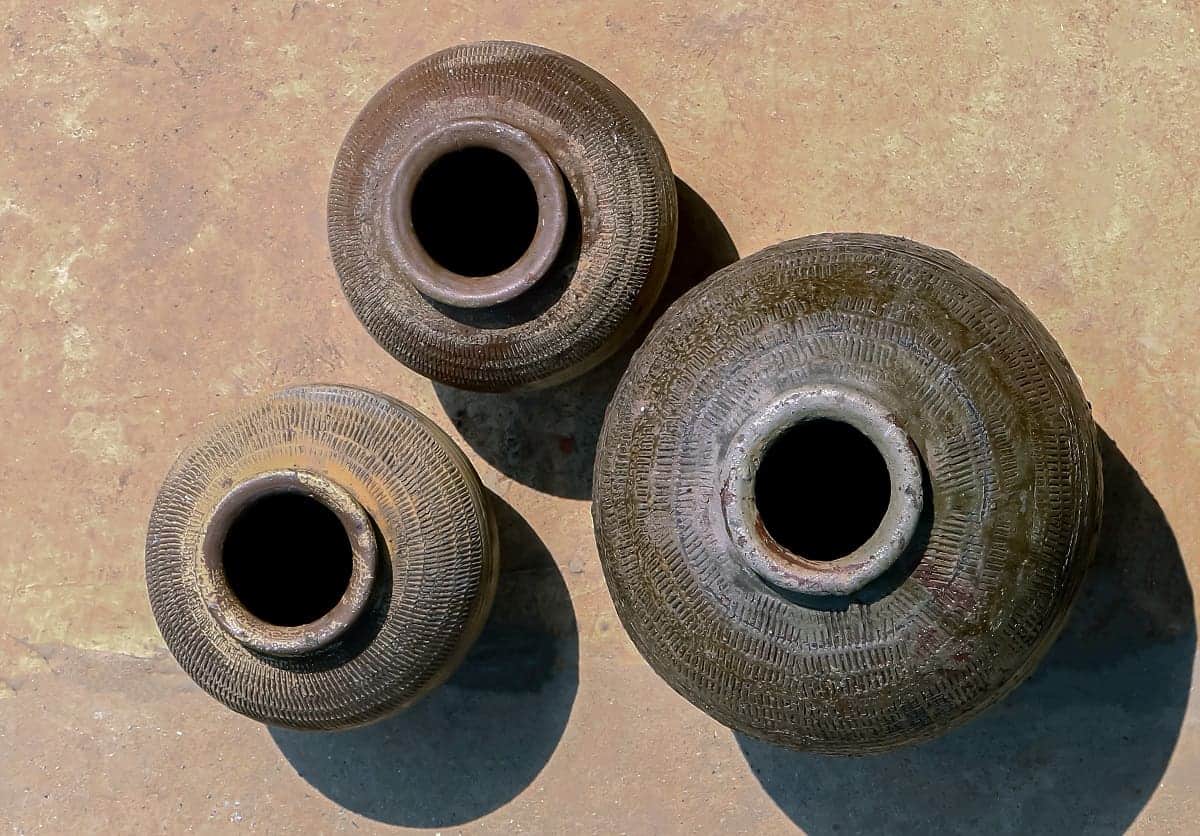
Antique stoneware crocks are highly prized by collectors for their beautiful craftsmanship, rich history, and investment value. These humble utilitarian vessels, used for storage and preservation in 19th century American kitchens, have become treasured artifacts offering a glimpse into daily life 150-200 years ago. For collectors, the most valuable and desirable stoneware crocks come from a handful of renowned 19th century American potters and potteries.
Whether you‘re just starting to collect antique stoneware or are a seasoned collector looking to expand your knowledge, this guide will walk you through the origins and manufacturing of stoneware crocks, the most sought-after makers and identifying marks, and how to evaluate the condition and value of these antique treasures.
The History and Craftsmanship of 19th Century Stoneware Crocks
Stoneware refers to a specific type of pottery made from clay fired at very high temperatures, typically between 1,200°F and 1,400°F. This high-temperature firing process made the finished product extremely hard, durable and non-porous – ideal for storing and preserving food.
In early 19th century America, stoneware crocks became the preferred vessels for pickling and preserving vegetables, churning butter, storing grain and more. Nearly every American household would have owned several stoneware crocks in various sizes, with potters often traveling to sell their wares door-to-door.
The process of making a stoneware crock was labor-intensive and required great skill. Potters would throw the vessel on a wheel, then apply decorative elements like cobalt blue designs or impressed maker‘s marks. A salt glaze was often added before firing to create a glossy, impervious finish. From mixing the clay to firing the kiln, creating a fine stoneware crock took several weeks.
Most Valuable Antique Stoneware Crocks and Makers
While basic stoneware crocks were produced by countless potters across 19th century America, a few specific makers and potteries created wares that are most highly prized by today‘s collectors. These include:
J. BURGER / ROCHESTER
John Burger, a German immigrant, established his pottery in Rochester, NY in the 1850s. His hand-decorated stoneware, often featuring elaborate cobalt blue floral and foliate designs, are some of the most sought-after crocks. A recent 4-gallon J. BURGER crock sold at auction for $5,000.
F.H. COWDEN / HARRISBURG
Franklin H. Cowden was a prolific potter working in Harrisburg, PA in the mid-1800s. His stoneware is known for its bold, whimsical figural designs, such as turtles, fish, birds and deer. Cowden crocks routinely sell for $1,000-4,000 each.
FORT EDWARD POTTERY CO.
Founded in 1852 in Fort Edward, NY, this pottery is famed for its beautiful and distinctive blue decorated stoneware. Original Fort Edward crocks are very rare, often selling for $2,000-5,000 or more, with large-sized numbered "beehive" crocks being especially valuable.
WHITES UTICA
Hailing from Utica, NY, N.A. White‘s pottery produced some of the finest stoneware of the mid-1800s, drawing on skilled German immigrant potters. Whites Utica crocks feature crisp, well-defined impressed marks and fine cobalt decoration. Even smaller Whites Utica crocks can bring $500-1,000.
Identification and Authentication of Antique Stoneware Crocks
When evaluating an antique stoneware crock, there are a few key features and markings to look for to help identify its age, origin and authenticity:
Maker‘s Marks
Many 19th century potters stamped, incised or impressed their name or initials onto the crock, often along with a location. Examining the maker‘s mark is the first step in identifying a crock. Some valuable marks to look for include J. BURGER, COWDEN, WHITES UTICA, FORT EDWARD POTTERY CO, E.C. LYONS, REMMEY, NORTON, and BURGER.
Cobalt Blue Decoration
One of the most distinctive features of early American stoneware is the use of hand-painted cobalt blue designs. From simple floral sprigs to elaborate birds, animals and scenery, the quality and style of the cobalt decoration offers clues to a crock‘s age and maker. In general, earlier crocks from the 1820s-40s have simpler, cruder designs, while later examples display more refined, detailed brushwork.
Capacity Markings
Most authentic stoneware crocks are marked with a number indicating their liquid capacity, such as "2" for 2 gallons or "3" for 3 gallons. These can be hand-incised or impressed. Be wary of crocks with printed or stamped capacity marks, as these are likely later reproductions.
Handles and Rims
Antique crocks typically have thick, sturdy handles and rims that were hand-formed and attached. Handles may show signs of wear or minor imperfections. A perfectly uniform, delicate handle is more likely from a modern reproduction than a genuine 19th century crock.
Clay Color and Glaze
Early stoneware clays ranged in color from light gray to buff to brown, with salt-glazed finishes that have a distinct "orange-peel" texture. Some authentic crocks may have unglazed bottoms or rims. Very white clays or extremely glossy, uniform glazes are red flags for modern reproductions.
Evaluating Condition and Estimating Value
An antique crock‘s condition is one of the biggest factors in determining its value. Collectors typically look for crocks in excellent original condition, free of chips, cracks, or repairs. While minor flaws may be expected from a 150-year-old piece, serious damage will significantly lower value.
Size also impacts value, with larger crocks over 5 gallons typically worth more than smaller 1-3 gallon pieces. Rarity and uniqueness of form or decoration are also key – a crock with a highly unusual design or from a small-batch potter will command a premium.
To estimate a stoneware crock‘s value, research past sales of similar pieces from the same maker and era. Specialized collecting books like "The Collector‘s Guide to Antique American Ceramics" also provide useful valuation information. Getting an expert appraisal or consultation is always recommended before making a major purchase.
Tips for Collecting Antique Stoneware Crocks
Whether you‘re drawn to antique stoneware crocks as decorative pieces, historical artifacts, or investments, a few expert tips can help you build a quality collection:
-
Educate yourself. Study the markings, forms and glazes of authentic pieces so you can recognize reproductions and "marriages" of old and new parts. Books and collector‘s clubs are great resources.
-
Buy the best condition you can afford. While a rare crock may justify some condition issues, it‘s generally best to hold out for the most intact, damage-free examples.
-
Shop from reputable dealers. Seasoned dealers stake their reputation on offering authentic, accurately represented items. Avoid flea markets and antique malls where crocks may be mislabeled.
-
Get a second opinion on pricey purchases. For a major investment piece, it‘s worth consulting multiple experts or getting a professional appraisal to verify authenticity.
-
Collect what you love. While certain makers may be most valuable, the most fulfilling collections are built around your personal interests, whether that‘s a specific potter, region, era or style.
An antique stoneware crock is a piece of American history you can hold in your hands. From the maker‘s fingerprints embedded in the cobalt decoration to the nicks and scratches from generations of use, each crock tells a story. By understanding their origins, craftsmanship and value, collectors can preserve and cherish these stories for generations to come.


