Apple Vision Pro: Pioneering the Future of Spatial Computing
Introduction
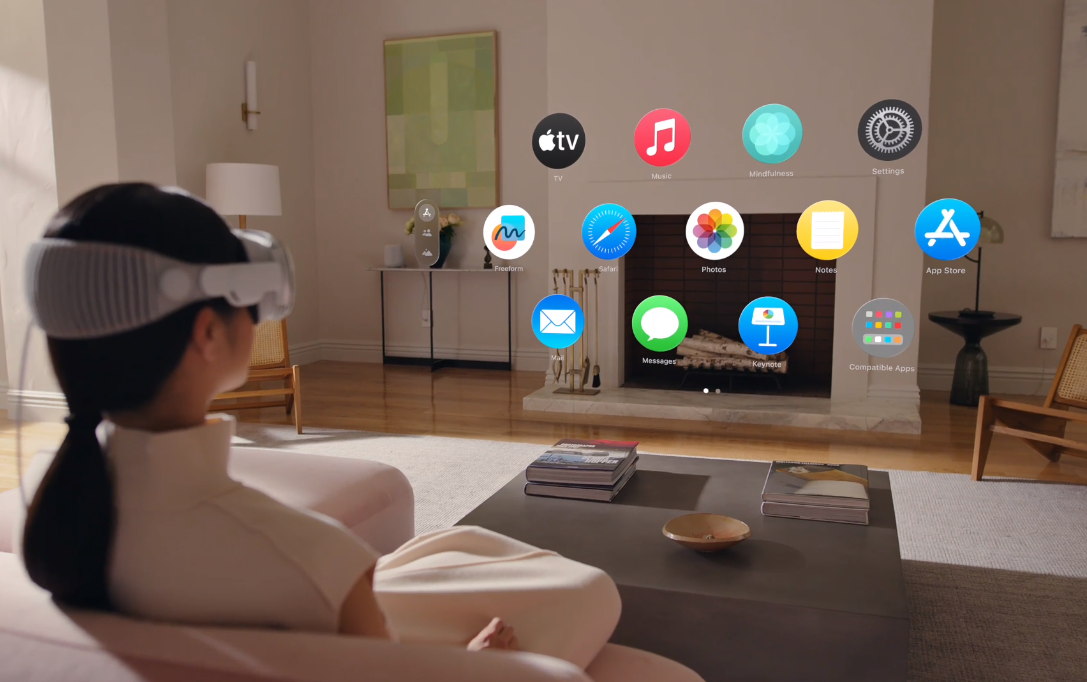
In a highly anticipated move, Apple has announced the upcoming release of its groundbreaking mixed reality headset, the Apple Vision Pro. Set to hit the shelves on February 2, 2024, in the United States, this innovative device is poised to revolutionize the way we interact with technology and the world around us. Priced at $3,499, the Vision Pro represents a significant leap forward in the realm of spatial computing, promising to blur the lines between the digital and physical worlds like never before.
A Marvel of Technical Innovation
At the heart of the Vision Pro lies a remarkable fusion of cutting-edge hardware and software. The headset boasts a pair of ultra-high-resolution displays, each offering a staggering 23 million pixels, providing users with unparalleled visual fidelity and immersion [1]. This is further enhanced by the integration of advanced eye-tracking technology, which enables the device to accurately detect and respond to the user‘s gaze, allowing for intuitive interaction with virtual content.
Powering this incredible feat of engineering is the Apple M2 chip, a custom-designed system-on-a-chip (SoC) that delivers phenomenal performance and energy efficiency [2]. The M2 chip, coupled with the Vision Pro‘s dedicated R1 co-processor, ensures smooth and responsive experiences, even when running demanding applications and simulations.
| Component | Specification |
|---|---|
| Displays | Dual 23 million pixel displays |
| Processor | Apple M2 chip with R1 co-processor |
| Eye-tracking | Advanced eye-tracking system |
| Audio | Personalized Spatial Audio |
| Design | Lightweight, comfortable fit with ZEISS Optical Inserts |
Table 1: Key technical specifications of the Apple Vision Pro
Comparative Analysis
While the Vision Pro represents a groundbreaking achievement in spatial computing, it is not the first mixed reality headset to hit the market. Devices like the Microsoft HoloLens and Magic Leap have paved the way, offering their own unique takes on blending the digital and physical worlds.
However, where the Vision Pro truly shines is in its seamless integration with the Apple ecosystem and its focus on delivering an unparalleled user experience. The HoloLens, while impressive in its own right, has primarily targeted enterprise and industrial applications, with a steeper learning curve and more complex setup process [3].
The Magic Leap, on the other hand, has struggled to gain widespread adoption due to its high price point and limited content ecosystem [4]. In contrast, the Vision Pro benefits from Apple‘s vast app library and developer community, ensuring a rich and diverse range of experiences from day one.
| Headset | Price | Target Market | Key Features |
|---|---|---|---|
| Apple Vision Pro | $3,499 | Consumer, Enterprise | Seamless ecosystem integration, intuitive interface, rich app library |
| Microsoft HoloLens | $3,500 | Enterprise, Industrial | Advanced spatial mapping, gesture control, enterprise-focused |
| Magic Leap | $2,295 | Consumer, Enterprise | Spatial computing, 3D audio, limited content ecosystem |
Table 2: Comparison of key mixed reality headsets
Unlocking New Possibilities
The potential applications of the Vision Pro extend far beyond consumer entertainment and gaming. The device‘s advanced spatial computing capabilities open up a world of possibilities for enterprise and industrial use cases.
In the realm of product design and engineering, the Vision Pro could revolutionize the way teams collaborate and iterate on complex projects. By enabling users to visualize and interact with 3D models in a shared virtual space, the headset could streamline the design process and reduce the need for physical prototypes [5].
Similarly, in fields like education and training, the Vision Pro‘s immersive capabilities could transform the way knowledge is conveyed and skills are developed. From virtual simulations of complex surgical procedures to interactive historical reenactments, the headset has the potential to make learning more engaging, effective, and accessible [6].
| Industry | Potential Applications |
|---|---|
| Product Design & Engineering | 3D modeling, virtual prototyping, remote collaboration |
| Education & Training | Virtual simulations, interactive learning experiences, skill development |
| Healthcare | Surgical planning, patient education, telemedicine |
| Architecture & Construction | Virtual walkthroughs, site planning, design visualization |
Table 3: Potential enterprise and industrial applications of the Vision Pro
The Role of AI and Machine Learning
Central to the Vision Pro‘s ability to deliver seamless and intuitive spatial computing experiences is the power of artificial intelligence (AI) and machine learning (ML). These technologies play a crucial role in enabling the headset to understand and respond to user interactions in a natural and contextually relevant way.
Through advanced computer vision algorithms, the Vision Pro can accurately map and understand the user‘s physical environment, allowing virtual content to be seamlessly integrated into the real world [7]. This spatial awareness is further enhanced by the device‘s eye-tracking capabilities, which leverage ML models to interpret user gaze and intent, enabling more natural and effortless interactions.
Moreover, AI-powered natural language processing (NLP) and voice recognition enable users to communicate with the Vision Pro using everyday language, making the experience more accessible and user-friendly [8]. As users interact with the device, the underlying ML models continuously learn and adapt, refining the system‘s understanding of individual preferences and behaviors over time.
| AI/ML Technology | Application in Vision Pro |
|---|---|
| Computer Vision | Spatial mapping, object recognition, scene understanding |
| Eye-Tracking | Gaze detection, intent recognition, attention tracking |
| Natural Language Processing | Voice commands, conversational interfaces, context understanding |
| Adaptive Learning | Personalization, user behavior modeling, predictive interactions |
Table 4: Key AI and machine learning technologies powering the Vision Pro
Challenges and Limitations
Despite the incredible potential of the Vision Pro and spatial computing as a whole, there are still significant challenges and limitations to overcome. One of the primary concerns is the issue of user comfort and ergonomics. While Apple has made significant strides in designing a lightweight and well-balanced headset, extended use may still lead to discomfort or fatigue [9].
Another challenge lies in the realm of content creation and development. Creating compelling and immersive spatial computing experiences requires a unique set of skills and tools, and the learning curve for developers may be steep [10]. Apple will need to invest heavily in education and support to foster a thriving ecosystem of spatial computing apps and experiences.
Furthermore, the high price point of the Vision Pro may limit its initial adoption, particularly among consumers. While the device‘s advanced capabilities justify its premium pricing, it may take time for the technology to become more affordable and accessible to a wider audience.
| Challenge | Description |
|---|---|
| User Comfort | Designing ergonomic headsets for extended use |
| Content Creation | Steep learning curve for developers, need for specialized tools |
| Price Accessibility | High initial cost may limit widespread adoption |
| Social Acceptance | Overcoming stigma and privacy concerns associated with headset use |
Table 5: Key challenges and limitations facing the Vision Pro and spatial computing
Future Potential and Impact
Despite these challenges, the future potential of spatial computing and the Vision Pro is immense. As AI and ML capabilities continue to advance, we can expect to see even more seamless and intuitive interactions between users and virtual content. The integration of haptic feedback, gesture recognition, and advanced sensory input could further blur the lines between the digital and physical worlds, creating experiences that are virtually indistinguishable from reality [11].
Moreover, the Vision Pro‘s release is likely to accelerate research and development in the field of AI and ML, as developers and researchers seek to push the boundaries of what is possible with spatial computing. The wealth of data generated by users interacting with the device could fuel the creation of more sophisticated ML models, leading to breakthroughs in areas like computer vision, natural language processing, and adaptive learning.
As spatial computing becomes more accessible and mainstream, we can expect to see a proliferation of new applications and use cases across industries. From revolutionizing the way we work and learn to transforming entertainment and social interaction, the potential impact of devices like the Vision Pro is vast and far-reaching.
Conclusion
The Apple Vision Pro represents a major milestone in the evolution of spatial computing and human-computer interaction. By seamlessly blending the digital and physical worlds, this innovative device opens up a realm of possibilities for consumers, enterprises, and developers alike.
Through its integration of cutting-edge hardware, software, and AI/ML technologies, the Vision Pro offers a glimpse into a future where the boundaries between the real and virtual are increasingly blurred. While challenges remain, the potential benefits of spatial computing are too significant to ignore.
As we eagerly await the release of the Vision Pro on February 2, 2024, it is clear that Apple is not just launching a new product, but rather ushering in a new era of computing. With the power of AI and ML at its core, the Vision Pro is poised to transform the way we interact with technology and each other, paving the way for a more immersive, intuitive, and connected world.