Are Papillons Hypoallergenic? A Dog Lover‘s Guide to Allergies and This Charming Breed

As a dog lover, you may have fallen head over heels for the adorable, butterfly-eared Papillon. But if you or someone in your family suffers from allergies, you might be wondering if this charming breed is a suitable choice. In this comprehensive guide, we‘ll explore the truth about Papillons and allergies, providing you with the information and tools you need to make an informed decision.
Understanding Pet Allergies
Before we dive into the specifics of Papillons and allergies, let‘s take a closer look at pet allergies in general. According to the Asthma and Allergy Foundation of America, as many as 30% of people with allergies have allergic reactions to cats and dogs. Dog allergies, in particular, affect around 10-20% of the population.
Pet allergies are caused by a reaction to proteins found in a dog‘s dander (dead skin cells), saliva, and urine. The most common allergen is a protein called Can f 1, which is present in a dog‘s skin and saliva. When these allergens become airborne or come into contact with a person‘s skin, they can trigger symptoms such as:
- Sneezing
- Runny or stuffy nose
- Itchy, red, or watery eyes
- Itchy skin or rash
- Coughing or wheezing
The severity of allergic reactions can vary from person to person, ranging from mild discomfort to life-threatening asthma attacks.
The Papillon: A Closer Look
Now that we have a better understanding of pet allergies, let‘s take a closer look at the Papillon breed. Papillons, named for their distinctive butterfly-like ears, are small, intelligent, and friendly dogs that originated in Europe. They are known for their long, silky coats and lively personalities.
Papillon Characteristics
- Size: Papillons typically weigh between 4-9 pounds and stand 8-11 inches tall at the shoulder.
- Coat: They have a single coat that is long, straight, and fine, with a frill around the neck and chest.
- Colors: Papillons come in a variety of colors, including white, black, red, sable, and tri-color.
- Personality: They are known for being alert, friendly, and intelligent, making them excellent companions and easily trainable.
- Lifespan: Papillons have a relatively long lifespan, averaging 12-16 years.
Papillon Grooming Needs
One of the main factors that contribute to a dog‘s allergen production is their shedding and grooming needs. Papillons are moderate shedders, and they require regular grooming to keep their coat healthy and tangle-free. Brushing a Papillon‘s coat at least 2-3 times per week will help remove loose fur and dander, reducing the amount of allergens in the environment. They should also be bathed every 3-4 weeks, or as needed, to keep their skin and coat clean.
Are Papillons Hypoallergenic?
Despite their small size and single coat, Papillons are not considered a hypoallergenic breed. While no dog is truly 100% hypoallergenic, some breeds are known to produce fewer allergens than others. Papillons, however, shed moderately year-round and can release allergens into the air and onto surfaces, potentially triggering allergic reactions in sensitive individuals.
It‘s important to note that individual dogs within a breed can vary in their allergen production. Factors such as diet, health, and grooming habits can all influence the amount of allergens a dog produces. Some Papillons may be better tolerated by allergy sufferers than others.
Dog Breeds for Allergy Sufferers
If you have severe allergies but still dream of having a canine companion, there are several dog breeds that are often considered more hypoallergenic. These breeds typically have non-shedding or low-shedding coats that produce less dander. Some examples include:
-
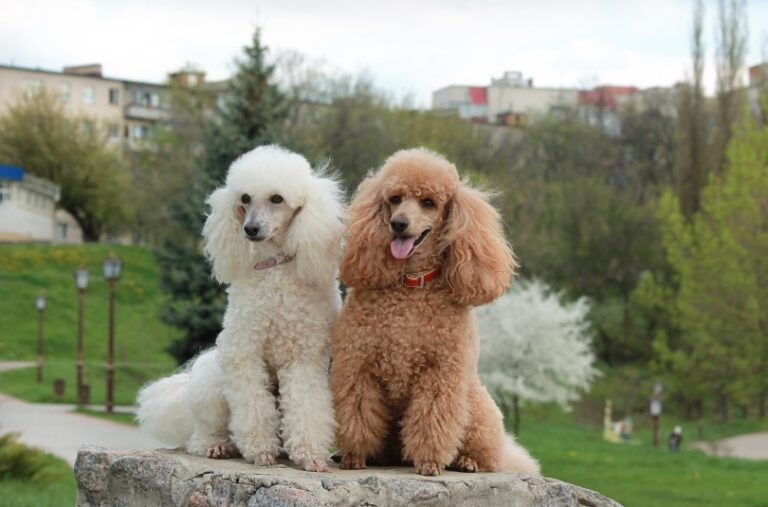
Poodles (Toy, Miniature, and Standard): Poodles have a single, curly coat that sheds minimally. They are intelligent, trainable, and come in three sizes to suit different lifestyles.
-
Bichon Frise: These small, cheerful dogs have a soft, white, curly coat that sheds very little. They are gentle, playful, and adaptable to various living situations.
-
Maltese: Known for their long, silky white coat, Maltese are small, affectionate, and shed minimally. They are great companions for apartment living.
-
Schnauzer (Miniature, Standard, and Giant): Schnauzers have a wiry, dense coat that sheds very little. They are intelligent, loyal, and come in three sizes to fit different households.
-
Portuguese Water Dog: These medium-sized dogs have a single, non-shedding coat that can be either curly or wavy. They are friendly, athletic, and intelligent.
-
Soft Coated Wheaten Terrier: With a soft, silky coat that sheds minimally, Wheaten Terriers are medium-sized, friendly, and adaptable dogs.
-
Xoloitzcuintli (Mexican Hairless Dog): As the name suggests, these dogs are hairless and therefore produce minimal dander. They come in three sizes and are known for being loyal, alert, and affectionate.
While these breeds may be less likely to trigger allergies, it‘s crucial to remember that individual dogs within a breed can still vary in their allergen production. Spending time with a specific dog before bringing them home can help you gauge your reaction.
Living with a Papillon Despite Allergies
If you have mild to moderate allergies and are determined to share your life with a Papillon, there are several steps you can take to minimize your exposure to allergens and manage your symptoms.
Create an Allergen-Free Zone
Designate your bedroom as a dog-free zone to ensure you have a space with minimal allergens. Keep your bedroom door closed and consider using an air purifier with a HEPA filter to capture any lingering allergens. This will help you sleep better and wake up with fewer allergy symptoms.
Maintain a Regular Grooming Routine
Frequent brushing and bathing can help reduce the amount of dander and loose fur in your home. Brush your Papillon outside, if possible, to minimize the spread of allergens indoors. Aim to brush them at least 2-3 times per week and bathe them every 3-4 weeks, or as needed. If your allergies are severe, consider enlisting the help of a professional groomer.
Clean Your Home Frequently
Regular cleaning is essential for removing allergens from your home. Vacuum carpets and upholstered furniture using a vacuum cleaner with a HEPA filter, which can trap small allergen particles. Dust hard surfaces with a damp cloth to trap allergens instead of dispersing them into the air. Wash bedding, including your Papillon‘s bed, in hot water weekly to kill dust mites and remove allergens.
Invest in Allergen-Resistant Bedding
Use allergen-resistant covers for your mattress, pillows, and duvets to create a barrier between you and any allergens that may accumulate on these surfaces. Look for covers made with tightly woven fabric or materials specifically designed to block allergens.
Use an Air Filtration System
Consider installing a high-efficiency particulate air (HEPA) filtration system in your home to remove airborne allergens. These systems can be particularly beneficial in rooms where your Papillon spends the most time, such as the living room or their sleeping area.
Optimize Your Papillon‘s Diet
A high-quality, balanced diet can contribute to your Papillon‘s overall skin and coat health, which may help reduce the amount of dander they produce. Look for dog foods that contain omega-3 fatty acids, such as fish oil, which can help support skin health and reduce inflammation. Consult with your veterinarian to determine the best diet for your Papillon‘s specific needs.
Consider Allergy Medication or Immunotherapy
Over-the-counter antihistamines, such as diphenhydramine (Benadryl) or cetirizine (Zyrtec), can help relieve mild to moderate allergy symptoms. For more severe allergies, your doctor may prescribe stronger medications, such as nasal corticosteroids or leukotriene modifiers. In some cases, immunotherapy (allergy shots) may be recommended to help desensitize your immune system to dog allergens over time.
The Benefits of Dog Ownership for Allergy Sufferers
Despite the challenges that come with owning a dog when you have allergies, there are numerous benefits to sharing your life with a canine companion. Studies have shown that dog ownership can:
- Reduce stress and anxiety
- Lower blood pressure and risk of cardiovascular disease
- Increase physical activity and outdoor time
- Improve mood and reduce feelings of loneliness
- Enhance social interactions and sense of community
For allergy sufferers, the key to reaping these benefits is finding a compatible breed, such as a Papillon, and implementing effective allergen management strategies.
Real-Life Success Stories
Many allergy sufferers have found ways to successfully live with Papillons and other dog breeds. Here are a few inspiring examples:
-
Sarah, a lifelong dog lover with moderate allergies, adopted a Papillon named Bella. By creating an allergen-free bedroom, brushing Bella regularly, and using an air purifier, Sarah has been able to manage her symptoms and enjoy the companionship of her beloved dog.
-
John, who suffers from severe allergies, chose a Bichon Frise named Max as his canine companion. With the help of regular grooming, frequent cleaning, and allergy medication, John has been able to keep his symptoms under control and appreciate the joy that Max brings to his life.
-
Lisa, an allergy sufferer who dreamed of owning a dog, discovered that she had a lower reaction to Poodles. She adopted a Toy Poodle named Luna and has found that with proper management, her allergies are manageable, and the love she receives from Luna is invaluable.
These success stories demonstrate that with the right approach and dedication, allergy sufferers can experience the incredible benefits of dog ownership, even with breeds like Papillons.
Conclusion
While Papillons are not considered a hypoallergenic breed, allergy sufferers may still be able to live comfortably with one by implementing effective allergen management strategies. From regular grooming and cleaning to creating an allergen-free sleeping space and considering medication or immunotherapy, there are numerous ways to minimize allergic reactions and enjoy the companionship of a Papillon.
However, it‘s essential to remember that the severity of allergies varies from person to person, and what works for one individual may not work for another. If your allergies are severe or you have concerns about your ability to manage symptoms, it may be best to consider a more hypoallergenic breed or explore alternative pet options.
Ultimately, the decision to bring a Papillon or any dog into your life when you have allergies requires careful consideration of your health, lifestyle, and willingness to make necessary accommodations. By understanding the facts about Papillons and allergies, consulting with your doctor, and implementing effective management strategies, you can make an informed decision that prioritizes both your well-being and your desire for the unparalleled love and companionship that a dog can provide.