
Are There Different Kinds of Fatty Acids?
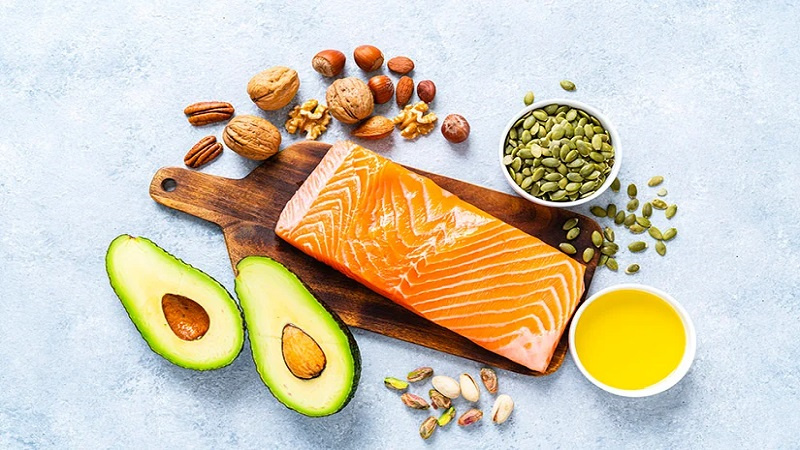
Fatty acids, those seemingly complex molecules, are actually essential components that keep your body running smoothly. From providing energy to supporting cell growth and protecting your organs, fatty acids play crucial roles in your overall health.
Learn about the different kinds of fatty acids and the benefits of adding a pentadecanoic acid supplement, omega-3, and other fatty acids to your diet.
What Are Fatty Acids?
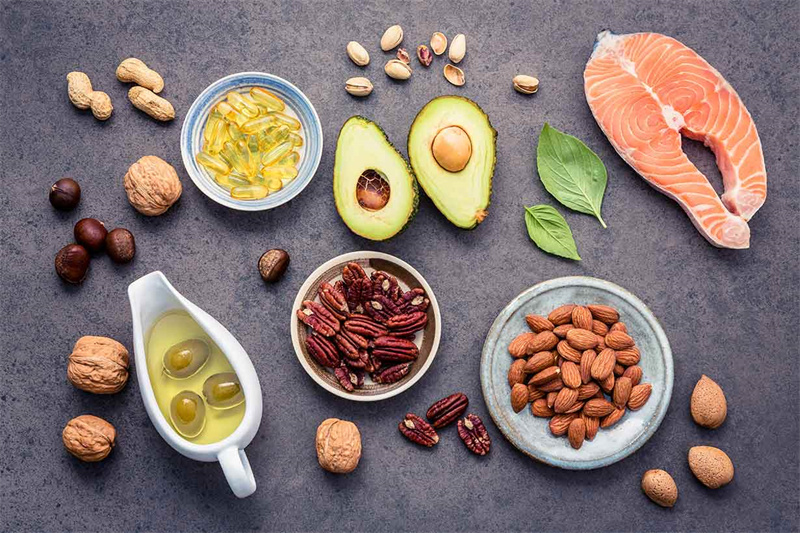
At their core, fatty acids are building blocks of fats, just like bricks are to a house. They belong to the lipid family and are vital for various bodily functions.
One fascinating fact about fatty acids lies in their diversity — not all fats are created equal. Some are saturated, some are unsaturated, and each type has its own unique characteristics and effects on human health.
Saturated vs. Unsaturated Fatty Acids
Saturated fats exhibit a molecular structure where each carbon atom is saturated with hydrogen atoms, forming a straight and closely packed configuration that remains solid at room temperature.
In contrast, unsaturated fats introduce bends or kinks in their structure due to the presence of double bonds, rendering them liquid at room temperature.
Unsaturated fats, specifically monounsaturated and polyunsaturated fats, demonstrate potential benefits for heart health through mechanisms such as reducing inflammation and improving cholesterol profiles.
However, not all saturated fats are bad for your health, and some are actually essential for your body to function properly.
Essential Fatty Acids
One of the most important players when it comes to fatty acids is essential fatty acids. These include Omega-3 and Omega-6 fatty acids and C15:0, which your body can't produce on its own.
Instead, your body relies on external sources like fatty fish, nuts, whole-fat dairy products, and certain oils to get these essential nutrients.
Trans Fats
Trans fats are artificially created through hydrogenation, a process that turns liquid oils into solid fats, extending the shelf life of processed foods.
However, they also raise LDL cholesterol levels while lowering HDL cholesterol, a deadly combination for heart health. It's no wonder health experts warn against consuming trans fats and advocate for their removal from most diets.
Specialized Fatty Acids
Beyond the usual suspects of saturated and unsaturated fats are some exotic members in the fatty acid family. One such is Medium-Chain Triglycerides (MCTs), which boast rapid digestion, quick energy release, and potential weight management benefits.
MCTs can be found in sources like coconut oil and may offer a unique edge in certain dietary regimens. While not as widely recognized as other fatty acids, MCTs are gaining popularity for their distinct biological effects.
Fatty Acids in Popular Diets
The world of nutrition thrives on various diet trends, each with a spotlight on different types of fatty acids. From the high-fat, low-carb approach of the Keto diet to the heart-friendly Mediterranean diet rich in unsaturated fats, these dietary patterns emphasize specific fatty acids for optimal health outcomes.
Understanding how different fatty acids align with popular diet philosophies emphasizes the necessity of a well-balanced, varied fat intake. This mix is fundamental for promoting overall well-being and optimal health outcomes.
Cooking Oils and Fatty Acids
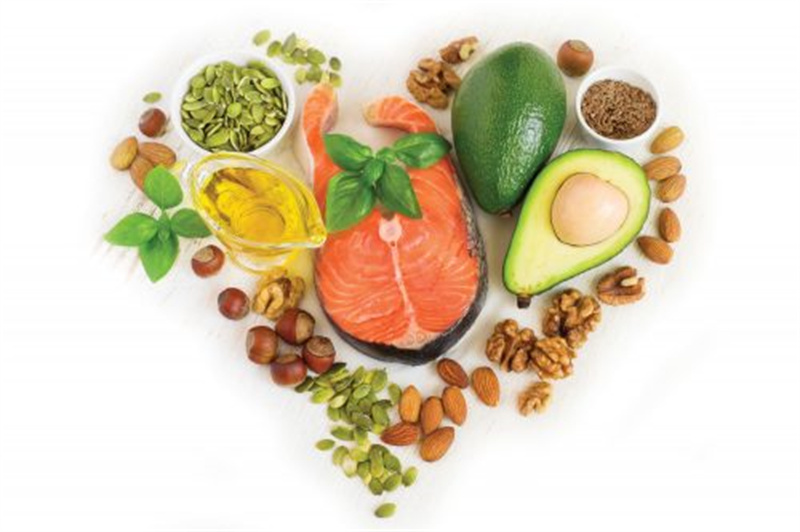
Have you ever wondered about the selection of cooking oils in your pantry? Different oils bring out distinct flavors in dishes and impact your intake of various fatty acids.
Olive oil may steal the show for its heart-healthy monounsaturated fats, while coconut oil shines with its MCT content. Choosing the right cooking oil can significantly influence your fatty acid intake, making it essential to strike a balance between taste and health when cooking up a storm in the kitchen.
Embracing Diverse Fatty Acids for a Healthier Tomorrow
Learning about fatty acids reveals how different types of fat affect your health and overall wellness. From the basic differences between saturated and unsaturated fats to the essential omega-3 and omega-6 fats your body needs, each type has an important role in supporting overall health.
Whether you're looking into specific fats like MCTs or learning about pentadecanoic acid, understanding these fats helps you make better dietary choices. Including a variety of fatty acids in your diet, in the right balance, can lead to better health in the long run.


