Australian Dog Breeds: Loyal Mates from the Land of Oz
G‘day, dog lovers! If you‘re fascinated by the unique and diverse creatures that call Australia home, you‘ll definitely want to get to know the loyal and hardworking dog breeds that have played a big role in Aussie culture and history. From the rugged cattle dogs who helped settle the Outback to the plucky little terriers who kept farms free of pests, these dogs are true Aussie icons.
As a veterinarian and lifelong dog lover, I‘ve always been interested in learning about the special skills and personality quirks of different breeds. And let me tell you, these Australian dogs are some of the smartest, toughest, and most devoted pooches you‘ll ever meet.
Australian Cattle Dog: Born to Herd
Also called Blue Heelers or Red Heelers for their striking mottled coats, Australian Cattle Dogs were bred in the 1800s to drive cattle across the vast, unforgiving Outback. Ranchers needed a dog who could handle the extreme heat, rough terrain, and long distances, as well as stand up to the kicks of ornery cows. The solution? Cross the native Dingo with tough herding breeds like the Collie and Dalmatian.
The result was a compact, muscular dog with keen intelligence, endless stamina, and an independent streak a mile wide. Cattle Dogs are famous for their "sticky" temperament – they latch onto their person and never want to leave their side. They‘ll instinctively try to herd anything that moves, including kids, cats, and cars.
According to the American Kennel Club, Australian Cattle Dogs rank 55th out of 197 breeds in popularity in the United States as of 2021. While they‘re still a relatively uncommon breed, their numbers have been steadily rising as more people discover their loyalty and trainability.
These brainy herders need a job to do and lots of exercise, both mental and physical. Russell Hartstein, a certified professional dog trainer based in Los Angeles, recommends that Cattle Dogs get at least 60-90 minutes of vigorous exercise each day, plus plenty of challenging brain games and puzzles.
"Australian Cattle Dogs are often purchased without the knowledge of how much work they are," Hartstein cautions. "They are extremely high drive and energy and require an experienced handler. When under-stimulated, they can be destructive and difficult to handle."
Australian Kelpie: The Sheep Whisperer
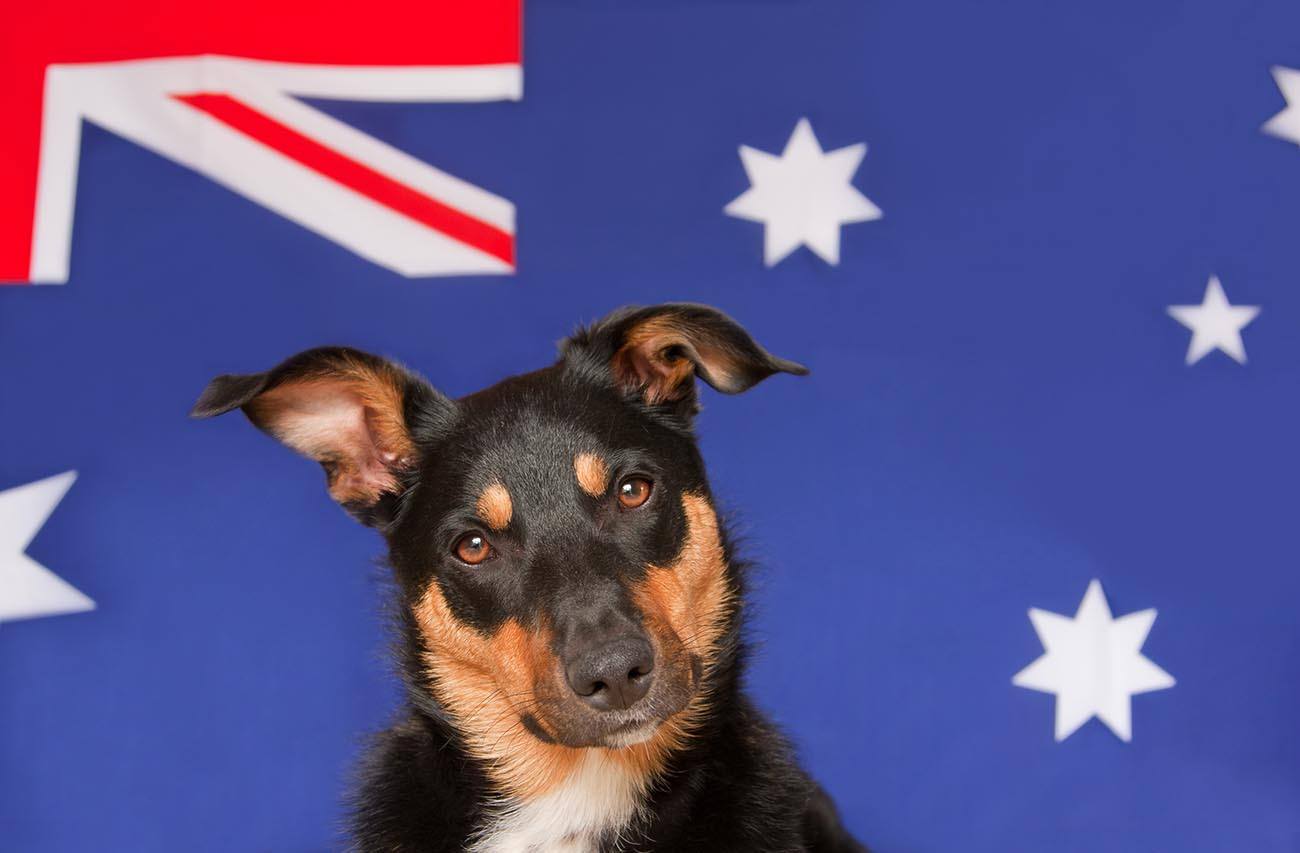
Another herding superstar, the Australian Kelpie was developed in the late 1800s from a mix of British herding breeds, including the Collie and Border Collie. These medium-sized dogs quickly became indispensable on Australian sheep and cattle stations thanks to their incredible work ethic and almost uncanny ability to control livestock.
Kelpies are famous for their "hypnotic" stare and stealthy movements, which allow them to deftly maneuver a herd of sheep or cows exactly where they need to go. They have boundless energy and stamina, and are widely considered to be one of the most intelligent of all dog breeds.
In Australia, Kelpies are still a vital part of the livestock industry. They also compete in herding trials and are becoming more popular as active companion dogs. According to the Australian National Kennel Council, Kelpies are the 8th most popular breed in the country.
Dr. Katrina Warren, an Australian veterinarian and animal expert, praises the Kelpie‘s work ethic but emphasizes that they are not couch potatoes. "The Kelpie is a dog that really needs to be doing something all the time," she explains. "They need at least two hours of exercise a day and thrive when they have a purpose, such as taking part in obedience, agility or working trials."
Australian Shepherd: The American Aussie
Okay, I know what you‘re thinking – isn‘t this supposed to be about Australian dog breeds? Well, it turns out the Australian Shepherd is a bit of a misnomer. Despite their name, these beautiful dogs were actually developed in the western United States in the 1800s, likely from a mix of herding breeds brought over by Basque shepherds from Australia.
Regardless of their origins, "Aussies" have become one of the most popular herding breeds in the US, ranking 17th out of 197 AKC breeds in 2021. Their stunning good looks – including merle coats and bright blue or multi-colored eyes – certainly don‘t hurt their appeal.
But Aussies are more than just a pretty face. They‘re whip-smart, energetic, and extremely versatile, excelling at everything from agility and obedience to therapy work and search-and-rescue. They tend to bond very deeply with their owners and need plenty of quality time with their human family.
Like most herding breeds, Aussies require ample exercise and mental stimulation to be happy and well-behaved. Dr. Jerry Klein, AKC‘s Chief Veterinary Officer, notes that Aussies "do best with active, engaged owners who can give them focused attention, exercise, training and lots of one-on-one time." He adds that puzzle toys and games like hide-and-seek are great for keeping these clever dogs mentally sharp.
Australian Terrier: Small Dog, Big Personality
What these spunky little terriers lack in size, they more than make up for in personality and prey drive. Bred in Australia in the 1800s to control vermin like rats and snakes on farms, Australian Terriers are fearless, feisty, and always up for an adventure.
Despite their scrappy origins, Aussie Terriers are also affectionate and loyal family companions. They usually bond closely with one or two people and can be a bit reserved around strangers. Like most terriers, they have an independent streak and a mind of their own, but are generally easier to train than some of their terrier cousins.
Australian Terriers are a great fit for active owners who can keep them engaged with regular walks, playtime, and brain-stimulating games. Their portable size and moderate exercise needs make them adaptable to city life, as long as they get enough mental stimulation.
According to the AKC, Australian Terriers rank 140th out of 197 breeds in popularity in the US. Dr. Grace Massey, a veterinarian who has owned several Aussie Terriers, thinks more people should consider this underrated breed. "They‘re such characters – spunky and comical, but also very devoted to their people," she shares. "They‘re a great choice for terrier lovers who want a dog with a little less attitude than some of the other terrier breeds."
Dingo: Australia‘s Wild Dog
No article on iconic Aussie dog breeds would be complete without mentioning the Dingo. These wild dogs have roamed Australia for thousands of years and play an important role in Aboriginal culture and storytelling.
Dingoes likely descended from semi-domesticated dogs that were brought to Australia by Asian seafarers around 4,000 years ago. Over time, they evolved to fill the ecological niche of Australia‘s top predator, helping to control populations of rabbits, kangaroos, and other prey animals.
Pure dingoes are actually quite rare, as most wild dingoes today are a mix of dingo and domestic dog. They typically have a ginger or sandy-colored coat, pointed ears, and a bushy tail. Dingoes live in small family groups and communicate through howls, barks, and other vocalizations.
While dingoes are an important part of Australia‘s ecosystems and biodiversity, they‘ve also come into conflict with humans by attacking livestock. In some parts of Australia, dingoes are considered a pest and are actively controlled through fencing, trapping, and other methods. Conservation groups are working to protect pure dingo populations and promote coexistence between dingoes and people.
As a veterinarian, I think it‘s important to respect dingoes as the wild animals they are. They may look similar to some domestic dogs, but they haven‘t undergone the same selective breeding and socialization, and their behavior and needs are very different. It‘s best to admire these national treasures from a distance and not try to keep them as pets.
Picking Your Perfect Aussie Pooch
If you‘re considering bringing home one of these incredible Australian dog breeds, it‘s important to do your homework and choose a dog that fits your lifestyle and personality. Many of these breeds need a lot of exercise, training, and interaction to be happy and healthy.
"Owners need to understand the breed they are taking on and have the time and energy to devote to the dog," advises Dr. Rosalie Rasmussen, a veterinarian in Sydney who frequently works with Australian breeds. "Particularly with the herding breeds, if they are understimulated they can develop behavioral issues and be very destructive."
She recommends puppy socialization and training classes for all dogs, but especially for these intelligent, high-drive breeds. Positive reinforcement training methods work best to harness their natural willingness to work and build a strong bond with their owner.
It‘s also a good idea to talk to a knowledgeable breeder or rescue group about the specific traits and quirks of the breed you‘re interested in. They can give you a realistic idea of what to expect and help you find the right individual dog to join your family.
Fun Facts About Australian Dog Breeds
- The Australian Cattle Dog is also known as a "Velcro dog" because they like to stick close to their owners at all times.
- Kelpies are named after the mythical shape-shifting water spirit of Celtic folklore.
- The Australian Shepherd‘s merle coat is caused by a genetic mutation that can also affect eye and ear development. Double merles, or dogs with two copies of the merle gene, are often blind and/or deaf.
- Australian Terriers were the first native Australian breed to be officially recognized and shown.
- Dingoes cannot bark, but they can howl, whimper, yelp, and make other vocalizations.
As you can see, the unique and fascinating dog breeds that have developed in the Land Down Under are truly something special. Whether you‘re looking for a loyal herding companion, a feisty vermin hunter, or just a fun and active friend, you can‘t go wrong with one of these true-blue Aussie breeds.
With the right training, socialization, and lots of love, these devoted dogs will be by your side through all of life‘s adventures – just like a loyal mate should be. And that‘s a bond that‘s definitely worth its weight in gold(en retrievers).