Basset Hound Health Problems: The Ultimate Guide for Dog Lovers
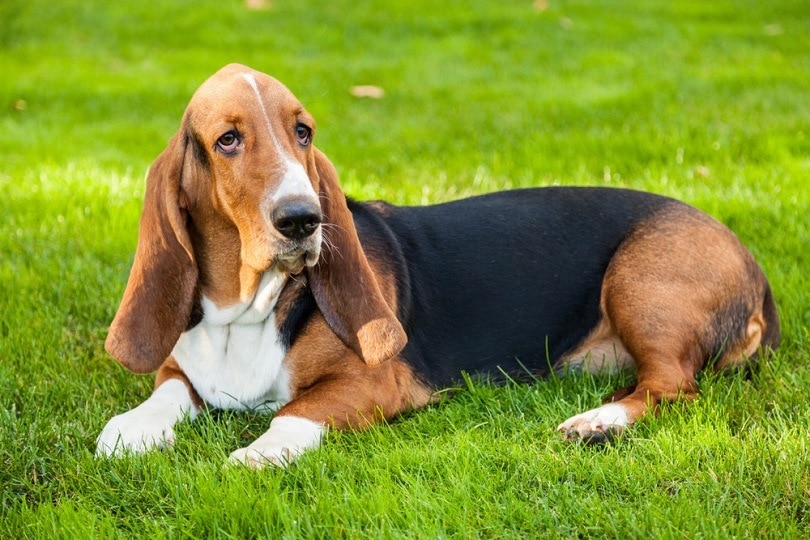
As a basset hound owner, you know there‘s nothing quite like the love of these gentle, good-natured dogs. With their soulful eyes, velvety ears, and cheerful personalities, bassets have a way of stealing hearts. But if you‘re considering adding one of these charming hounds to your family, it‘s important to understand the unique health challenges the breed can face.
In this comprehensive guide, we‘ll take a deep dive into the most common basset hound health problems, exploring the latest research, treatments, and prevention strategies. Whether you‘re a new basset owner or a seasoned lover of the breed, this resource will equip you with the knowledge you need to give your furry friend the best possible care.
Why Are Basset Hounds Prone to Health Issues?
Basset hounds were originally bred in France to hunt rabbits and hare, with their short legs and heavy bones allowing them to navigate dense underbrush and their long, low-set ears helping them track scents. However, these physical traits that make them excellent hunting companions also predispose them to certain health problems.
According to Dr. Jerry Klein, Chief Veterinary Officer of the American Kennel Club, "Basset hounds‘ unique proportions put extra stress on their joints and spine, which can lead to orthopedic issues like hip dysplasia and intervertebral disc disease." Their loose, elastic skin can also trap moisture and bacteria, increasing the risk of skin fold infections and ear problems.
Common Basset Hound Health Issues
1. Orthopedic Problems
Hip and Elbow Dysplasia
Dysplasia is a condition where the hip or elbow joint doesn‘t develop properly, causing pain and lameness. According to the Orthopedic Foundation for Animals (OFA), 21.8% of basset hounds evaluated have hip dysplasia, and 41.2% have elbow dysplasia – significantly higher rates than many other breeds.
| Breed | Hip Dysplasia Prevalence |
|---|---|
| Basset Hound | 21.8% |
| Labrador Retriever | 9.0% |
| German Shepherd Dog | 17.8% |
| Beagle | 5.2% |
Data from the Orthopedic Foundation for Animals
Osteochondritis Dissecans (OCD)
OCD is a condition where a piece of cartilage and bone separates from the end of a bone, often due to rapid growth in puppies. A study in the Journal of the American Animal Hospital Association found that basset hounds were 35 times more likely to develop shoulder OCD than crossbred dogs.
Intervertebral Disc Disease (IVDD)
IVDD occurs when the cushioning discs between the vertebrae bulge or burst, pressing on the spinal cord. Bassets‘ long backs make them more prone to this condition. In a study of 77 basset hounds with IVDD, 52% were able to walk again after surgical treatment.
2. Eye Issues
Cherry Eye
Bassets are prone to cherry eye, a condition where the third eyelid gland prolapses and appears as a red mass in the corner of the eye. According to a 2020 study in the journal Veterinary Ophthalmology, the breed has a significantly higher prevalence of cherry eye compared to other dogs.
Entropion and Ectropion
Bassets‘ droopy eyelids can cause the eyelid edges to roll inward (entropion) or outward (ectropion), leading to irritation and corneal damage. A 2021 study in the journal PLOS One found that basset hounds were 11 times more likely to develop entropion than non-brachycephalic dogs.
3. Ear and Skin Problems
Ear Infections
Basset hounds‘ long, floppy ears trap moisture and reduce air circulation, creating an ideal environment for bacterial and yeast infections. A 2019 study in the journal Veterinary Dermatology found that 36% of basset hounds had signs of otitis externa (ear canal inflammation).
Skin Fold Dermatitis
The breed‘s loose, wrinkled skin can lead to skin fold infections, especially in the facial folds, tail fold, and vulvar area. Regular cleaning and drying of these areas is essential to prevent dermatitis.
4. Gastric Dilatation Volvulus (GDV)
Basset hounds‘ deep chests make them more susceptible to GDV, a life-threatening condition where the stomach fills with gas and twists on itself. A 2017 study in the journal BMC Veterinary Research found that bassets had a 5.7% lifetime risk of developing GDV.
5. Obesity
Bassets love to eat and can quickly become overweight, which puts extra strain on their joints and increases the risk of diabetes, heart disease, and other health problems. A 2019 study in the journal Animals found that 63% of basset hounds in the UK were overweight.
Health Testing and Screening
To help reduce the incidence of inherited health problems in basset hounds, responsible breeders screen their dogs before breeding. The Basset Hound Club of America recommends the following health tests:
- Hip dysplasia: OFA or PennHIP evaluation
- Elbow dysplasia: OFA evaluation
- Eye examination: Ophthalmologist evaluation
- Bleeding disorders: von Willebrand‘s Disease DNA test
- Optional: Autoimmune thyroiditis, degenerative myelopathy DNA tests
Preventing Health Problems
While some health issues in bassets are genetic, there‘s still much owners can do to promote their dog‘s wellbeing:
🦴 Keep your basset at a healthy weight through portion control and regular exercise
🩺 Schedule annual check-ups and follow your vet‘s recommendations for preventive care
🛁 Clean your basset‘s skin folds, ears, and teeth regularly to prevent infections
🧠 Provide mental stimulation through puzzle toys, scent work, and training
🏠 Basset-proof your home by installing gates and removing hazards like loose rugs and exposed cables
💊 Consider pet health insurance to help manage unexpected veterinary costs
Living with a Basset Hound Health Condition
If your basset is diagnosed with a health issue, know that you‘re not alone. Basset hound owner Sarah Flores shares her experience: "When my basset Copper was diagnosed with IVDD, I was devastated. But with the support of my vet and the basset community, we‘ve been able to manage his condition and keep him comfortable. He may not be able to go on long hikes anymore, but he still finds joy in every day."
Advances in veterinary medicine are also providing new options for bassets with health challenges. Dr. James Cook, a veterinary orthopedic specialist at the University of Missouri, notes: "We‘re seeing promising results with regenerative therapies like stem cell treatments and platelet-rich plasma injections for bassets with orthopedic issues. These minimally invasive procedures can reduce inflammation, promote healing, and improve quality of life."
When to See a Vet
As a basset owner, it‘s essential to be vigilant for signs of health problems. Contact your veterinarian if you notice any of the following:
- Limping or reluctance to move
- Abnormal gait or posture
- Eye redness, discharge, or clouding
- Ear odor, discharge, or scratching
- Skin redness, odor, or excessive scratching
- Labored breathing or coughing
- Vomiting or diarrhea
- Seizures or collapse
- Any sudden change in behavior or appetite
Resources for Basset Hound Owners
For more information on basset hound health and care, check out these trusted resources:
- Basset Hound Club of America Health Page
- Orthopedic Foundation for Animals Basset Hound Statistics
- Basset Hound Health Foundation
- Basset Hound Rescue Network
- Embrace Pet Insurance Breed Health Guide
With knowledge, care, and love, you can help your basset hound live their best life despite any health challenges they may face. As Dr. Erin Wilson, a veterinarian at Basset Hound Rescue of Southern California, says, "Bassets are such resilient, joyful dogs. Even when facing health issues, they have an incredible capacity for happiness and love. As owners, it‘s our privilege to be their advocates and their champions, every step of the way."