Building an Island Empire: What Animal Crossing Can Teach Us About Business Success
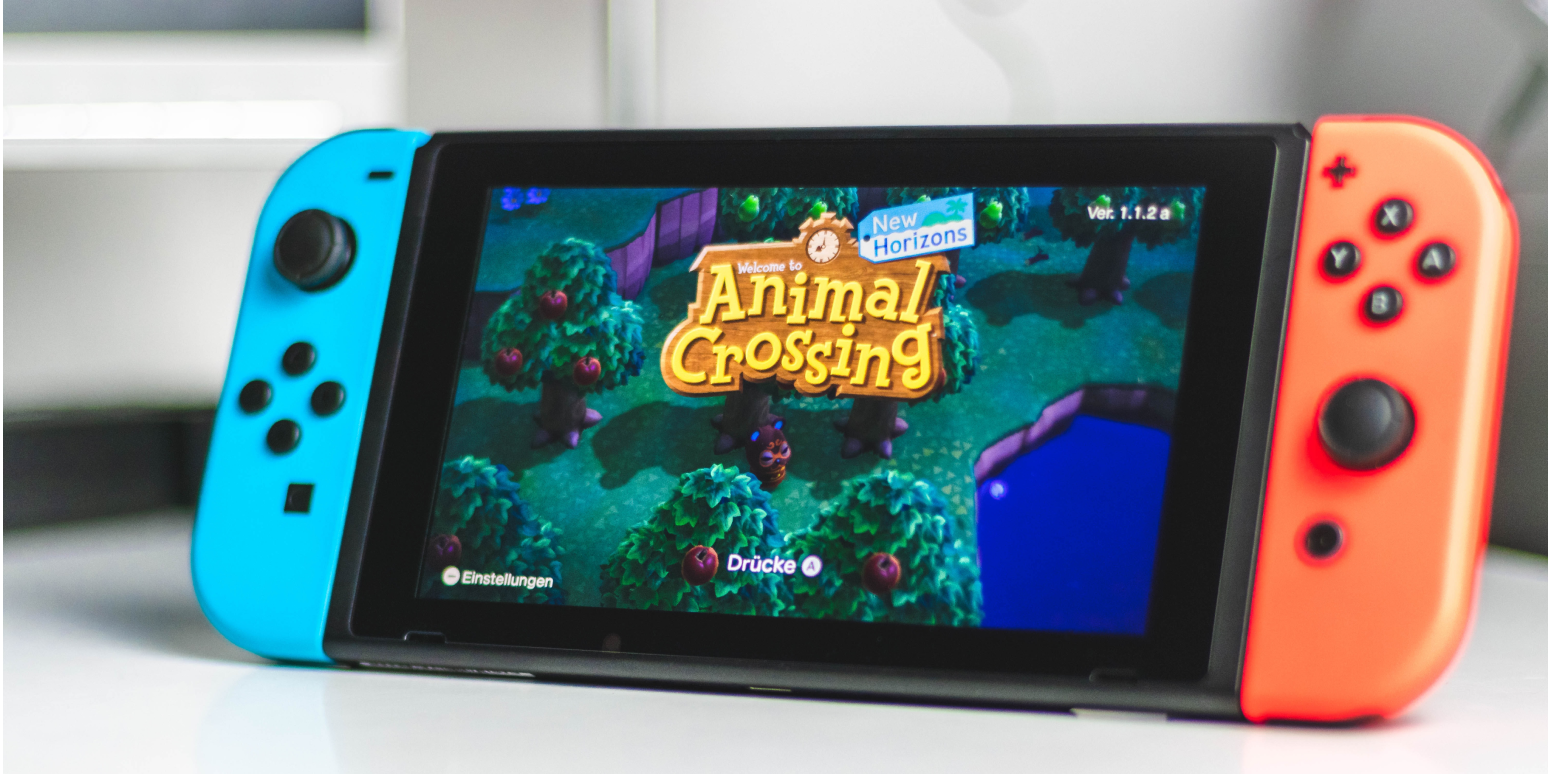
In an alternate reality, young entrepreneurs are gathering at seminars not to hear the latest wisdom from Jobs or Zuckerberg, but from the quiet wisdom of Tom Nook.
The mustachioed racoon real estate mogul has built an empire selling deserted islands to bands of human settlers escaping crowded urban life. His secret? A mastery of product-market fit, customer retention, and viral growth loops that has rocketed Animal Crossing into the gaming stratosphere, selling over 37 million copies to date.
What practical lessons can small business owners take away from the runaway success of Nintendo‘s social sandbox game? As we‘ll explore in this blog post, quite a bit – from the importance of timing your ideas just right, to optimizing the customer journey for habit-building and retention.
Let‘s dive right in to how you can apply Animal Crossing‘s winning formula to make your business the next viral smash hit.
Finding Your "Island Escape": The Art of Perfect Timing
Animal Crossing was released at a fortuitous moment when real-world social activities were cancelled and remote work became widespread, leaving gamers hungry for virtual social connection. The game became a "digital island escape" from pandemic doldrums, selling over 13 million copies in its first 6 weeks.
Clever market timing was instrumental, but luck alone can‘t sustain that kind of traction long-term. Still, the lesson here for business owners is to closely track shifts in consumer demand, behavior and sentiment – and be ready to capitalize with well-timed offerings.
Some examples:
- A bike shop offering home delivery and virtual cycling classes during lockdowns
- A spirits brand tying into virtual happy hours and at-home mixology trends
- An educational toy company aligning promotions with school closures and remote learning schedules
Like Animal Crossing‘s synchronicity with stay-at-home orders, the most successful campaigns meet customers where they are.
In fact, location-based mobile analytics reveal just how drastically real-life movement changed in Spring 2020 compared to prior years:

With mobility data flagging people stayed home up to 40% more [1], Animal Crossing offered the perfect virtual escape. Nimble businesses that similarly tracked macro shifts around COVID, then aligned offers appropriately, tapped into major consumer sentiment tailwinds.
Building Habit-Forming Feedback Loops
Games like Animal Crossing are intentionally designed to "hook" players; positive reinforcement loops give doses of dopamine while slow-revealing new islands, items, and quests keeps bringing users back.
Savvy businesses employ similar retention techniques, especially subscriptions and SaaS companies. Tactics like:
- Tiered membership levels
- Fixed vs variable rewards
- User milestone celebrations
- Social sharing and referrals
Board game rental service TableTopia employs multi-tier memberships while still offering some content for free. This balances monetization with habits of return visits.
Software company Calendly built referral rewards right into their signup flow, prompting users to share the scheduling tool. This viral loop contributed to their rapid growth.
In fact, Calendly‘s enterprise accounts receive around 50% of their new users via referral traffic [2]. Their case highlights the power of social viral factors for customer acquisition and retention.

So where can you add surprise rewards, social hooks, and tantalizing upgrading opportunities to keep customers engaged? How can you trigger the same addictive excitement as shaking a glowing tree and not knowing what fun virtual prizes will appear?
From a data science perspective, the keys to sticky user habits require:
- Understanding your product‘s nonlinear feedback systems
- Testing different positive reinforcement models
- Tracking key engagement and retention metrics
- Social sharing dynamics per customer segment
While complex simulations underlie Animal Crossing‘s long-term appeal, business experiments need not be so elaborate:
- A/B test email copy and content upgrades
- Analyze churn predictors with survival regression
- Model customer lifetime value scenarios
- Map referral funnels with cohort analytics
The right analytics plan can be like holding an x-ray machine up to your flywheel loops, exposing what specifically delights and retains each customer tribe. Data reveals where to double down.
Restrictions Create Value – But Be Smart About It
One controversial tweak was allowing only one Animal Crossing island per Nintendo Switch device, forcing gamers to buy more hardware to start over fresh. Not very customer-friendly perhaps, but the takeaway is restrictions can add exclusivity and heighten perceived value.
For businesses, this teaches placing thoughtful limits on free trials or levels of service. For instance:
- eCommerce free shipping on orders over $50
- Professional networking sites only showing 3 profile views unless you upgrade
- Cloud storage plans with generous yet capped free tiers
The trick is finding the sweet spot where users get hooked through the initial free experience, but must trade up to expand access and features.
A common technique is tiered data permissions across software plans:

The freemium model works – Spotify boasts over 60 million free users streaming with ads and shuffle limits. Still that pales next to their 180 million paid subscribers who enjoy unlimited listening. The limited free offering drives uploads then monetization kicks in by restricting full music access.
Too aggressive caps or paywalls though may backfire. Try different limits and keep watch for spikes in churn analytics to find the right balance. Get creative like Animal Crossing, knowing just when to reward users then nudging them politely to upgrade their virtual real estate!
From Flick to Flipkart: Launching a Business Archipelago
So there you have it, island pals – a few heuristics for crafting delightful digital experiences, primed for user adoption and retention. For Tom Nook, the magic mix let him build both a bustling customer base and ever-expanding line of luxury homes.
Now it’s time to think like Mr. Nook and ask yourself…what common frustrations could my offers resolve? What Upsell Islands could customers discover next? How can I attract Besucher and encourage them to stay?
The seeds for the next Flipkart, Instacart or Calm.com could be right under your feet – you just need to dig them up!
Just be careful about adding too many restrictions, interest rates or mandatory work regimens along the way. The goal is to give people that delightful Animal Crossing creative freedom fix, not overwhelm them with anxiety!
Now if you’ll excuse me, I need to shake some cherry trees and make my next Nook Miles product loan payment…I may have gone overboard decorating my tiki bar. Let me know in the comments if Tom Nook has inspired how you think about delighting customers!