Can Dogs Get Frostbite? How to Keep Your Pup Safe in Winter Weather
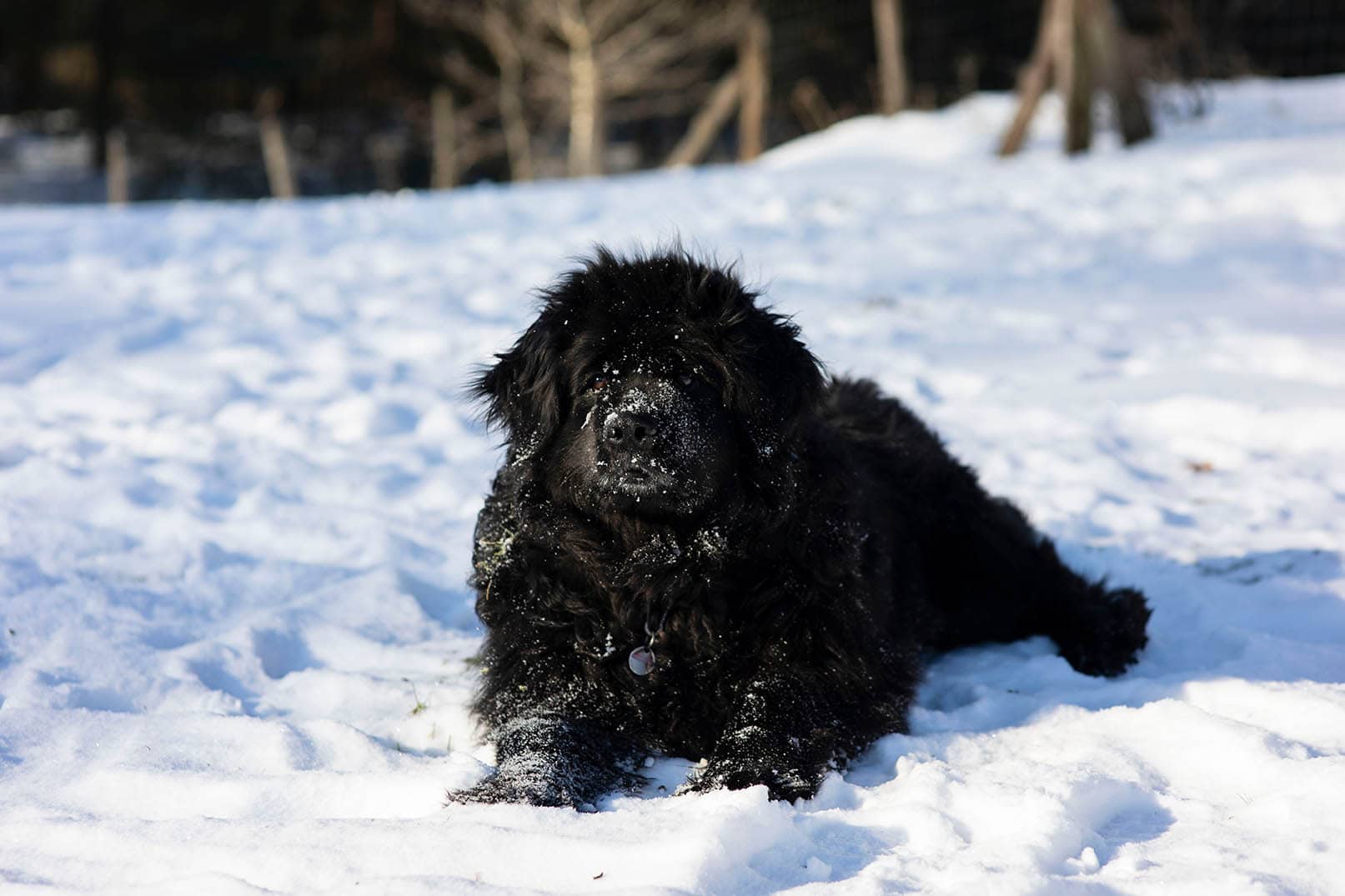
Introduction
As a veterinarian and lifelong dog lover, the health and safety of our canine companions is always my top priority. With winter upon us, one danger dogs face is the risk of frostbite. While their fur provides some protection from the elements, dogs can still get frostbite in freezing temperatures just like humans. It‘s crucial for pet parents to understand how frostbite occurs, recognize the signs, and take steps to prevent it. In this comprehensive guide, we‘ll cover everything you need to know to keep your pup safe from frostbite this winter.
What Is Frostbite?
Frostbite is tissue damage caused by exposure to extremely cold temperatures. It most commonly affects the body parts farthest from the heart like the ears, paws, tail and nose. When exposed to cold, the body pulls blood from the extremities to the center of the body to protect the vital organs and maintain core temperature. This leaves the extremities with less blood flow and more vulnerable to freezing.
How Frostbite Progresses
Once the temperature of the tissues drops below freezing, ice crystals begin to form inside the cells. These ice crystals cause damage by disrupting the cell structure and puncturing cell membranes. As the tissues continue to freeze, blood flow slows even further and deprives the cells of oxygen. This leads to tissue death, or necrosis. Frostbite often progresses in the following stages:
-
Frostnip: The mildest form, frostnip affects the superficial layers of skin. The area may appear pale or waxy and feel numb, but the tissue isn‘t permanently damaged.
-
Superficial Frostbite: The skin may turn white, blue or gray and feel hard and cold to the touch. When rewarmed, the area swells and may appear mottled. Blistering can occur 12-36 hours after rewarming as the tissue damage progresses. Proper treatment can often save the tissue.
-
Deep Frostbite: When frostbite reaches the tissues beneath the skin like the muscles, tendons and bones, it causes permanent damage. The skin turns white and hard and may blacken as the tissue dies. This dead tissue will eventually slough off. Amputation is often necessary.
The severity of frostbite depends on several factors:
- The temperature – The colder it is, the faster frostbite occurs
- Duration of exposure – Prolonged exposure leads to more severe damage
- Wind chill – Wind removes heat from the body faster, accelerating frostbite
- Wetness – Damp skin freezes faster than dry skin
- Body size – Small, thin dogs have less insulation and higher risk
Signs and Symptoms
The first signs of frostbite are pale, gray or bluish discoloration of the skin. The affected area feels cold, hard and may appear waxy. As the tissue thaws, it becomes red, swollen and extremely painful. More severe signs that indicate permanent damage include:
- Skin turning dark blue or black
- Blisters or skin ulcers
- Dead, blackened tissue that sloughs off
- Severe pain, limping or difficulty walking if the paws are involved
Areas Most Commonly Affected
The body parts most vulnerable to frostbite are those with the greatest surface area and the least blood flow. In dogs, this includes:
- Ear tips
- Tail tip
- Nose
- Paw pads and toes
- Scrotum and penis in males
- Mammary glands in females
Diagnosis and Treatment
If you suspect frostbite, immediately move your dog to a warm area and contact your veterinarian. Prompt treatment is critical to minimize permanent damage. Wrap your dog in warm, dry blankets and apply heat to the center of the body, never directly to the frostbitten areas. Your vet will assess the extent of the damage and recommend a treatment plan.
Treatment typically involves:
- Gradually rewarming the tissue
- Pain management with NSAIDs or opioids
- Cleaning wounds and applying antibiotic ointment to prevent infection
- Debridement to remove any dead tissue
- Bandaging to protect the area
- Preventing self-trauma by using an Elizabethan collar
- Amputation of severely damaged areas
With prompt, proper treatment, the prognosis for mild frostbite is good. More severe cases often result in some permanent scarring, hair loss or loss of the affected tissue.
Breeds Most At Risk
While any dog can fall victim to frostbite, some breeds are more susceptible due to their physical characteristics and size. Breeds most at risk include:
- Toy breeds like Chihuahuas, Yorkies, Pomeranians
- Breeds with short, thin coats like Greyhounds, Whippets, Boxers, Doberman Pinschers
- Hairless breeds like the Chinese Crested and Xoloitzcuintli
- Breeds with long, pendulous ears like Basset Hounds and Cocker Spaniels
- Puppies, senior dogs and those with chronic health conditions
According to a study by PetPlan Pet Insurance, the top 5 breeds most likely to suffer frostbite are:
- Chihuahuas
- Greyhounds
- French Bulldogs
- Dachshunds
- Pugs
Other Risk Factors
In addition to breed, several other factors increase a dog‘s risk of developing frostbite:
- Temperature and Wind Chill: The colder it is and the higher the wind chill, the faster frostbite occurs. The following chart shows how long it takes to develop frostbite at various temperatures and wind speeds:
| Air Temp (°F) | Wind Speed (mph) | Time to Frostbite |
|---|---|---|
| 32°F | Calm | 30 min |
| 32°F | 15 mph | 30 min |
| 0°F | 15 mph | 5 min |
| -20°F | 15 mph | 1-2 min |
- Duration of Exposure: The longer a body part remains frozen, the more severe the damage.
- Wetness: Damp fur and skin freezes faster than dry. Dogs who get wet or walk through deep snow are at higher risk.
- Dehydration: Dehydration impairs blood flow to the extremities and increases frostbite risk. Make sure your dog always has access to fresh, unfrozen water.
- Health Conditions: Diabetes, heart disease, Cushing‘s disease and other conditions that affect blood flow make dogs more prone to frostbite.
- Age: Puppies and senior dogs are less able to regulate their body temperature and more vulnerable to both frostbite and hypothermia.
Preventing Frostbite
The best way to protect your pup is to limit their exposure to extreme cold. When the temperature or wind chill falls below freezing (32°F/0°C), follow these tips to prevent frostbite:
- Shorten walks and outdoor playtime to 15-20 minutes max.
- Dress vulnerable dogs in booties, sweaters and waterproof coats. Make sure they stay dry.
- After walks, thoroughly wipe down paws, legs and belly. Check paw pads for cracks, bleeding or ice buildup between the toes.
- Never shave your dog down to the skin in winter. Long coats provide important insulation.
- Provide a warm, draft-free shelter if your dog must stay outdoors. Use thick bedding like straw rather than blankets that can absorb moisture.
- Don‘t let your dog walk on frozen lakes, ponds or rivers that could crack.
- Consider switching to indoor potty pads for toy breeds in extreme cold.
When to Seek Veterinary Care
Contact your vet right away if you notice any of these signs of frostbite in your dog:
- Pale, waxy skin that feels cold and hard
- Swelling, redness or blistering as the area thaws
- Blackened or dead skin
- Pain, limping or difficulty walking
Also watch for signs of hypothermia, which often accompanies frostbite. Intense shivering, lethargy, weakness, shallow breathing and loss of coordination can indicate your dog‘s core body temperature has dropped to dangerous levels. Wrap them in warm blankets and take them to the vet immediately, as severe hypothermia can be life-threatening.
Conclusion
By understanding the risks of frostbite, knowing the signs to watch for and taking a few simple precautions, you can safely enjoy winter with your furry friend. Remember, if it‘s too cold for you, it‘s too cold for your pup. Use common sense and limit time outdoors in freezing temperatures. For dogs most at risk, booties, coats and staying inside are the best ways to prevent a painful case of frostbite.
If you do suspect frostbite, prompt veterinary treatment is essential to prevent permanent damage or tissue loss. Be alert, stay informed, and keep that tail wagging all winter long!
Sources
- Buzhardt, L. (2022). Frostbite in Dogs. VCA Animal Hospitals. https://vcahospitals.com/know-your-pet/frostbite-in-dogs
- Frostbite in Dogs. Washington State University College of Veterinary Medicine. https://www.vetmed.wsu.edu/outreach/Pet-Health-Topics/categories/diseases/frostbite-in-dogs
- Ward, E. DVM. (2022). Frostbite in Dogs: Prevention and Treatment. PetMD. https://www.petmd.com/dog/conditions/skin/c_multi_frostbite
- Dolder, C. (2021). Beware of Cold Weather Dangers for Pets. PetPlan. https://www.gopetplan.com/blogpost/cold-weather-pet-dangers