Can You Use Baby Wipes on Dogs? A Vet‘s Perspective
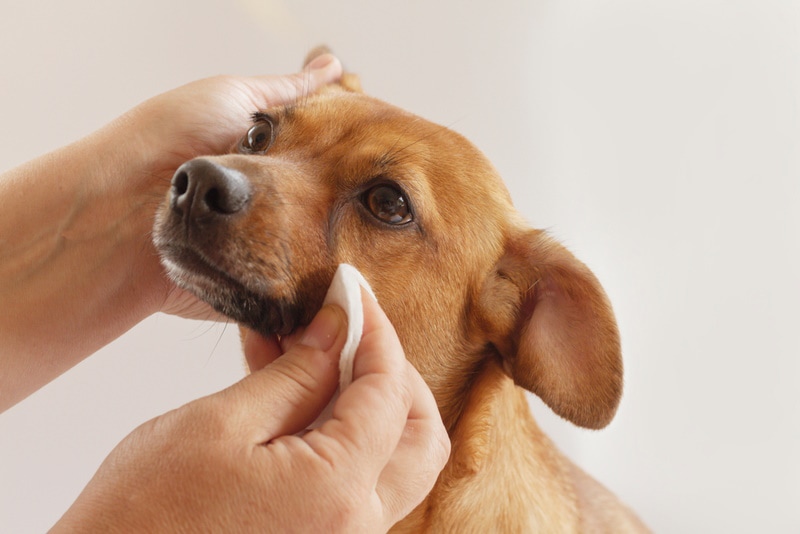
As a veterinarian and lifelong dog lover, I know how important it is to keep our furry friends clean and comfortable. But when it comes to using baby wipes on dogs, I have to warn you – it‘s a bad idea. In this in-depth guide, I‘ll explain exactly why baby wipes are harmful to dogs, what to use instead, and how to keep your dog‘s skin and coat healthy and huggable.
The Dangers Lurking in Baby Wipes
While baby wipes may seem gentle enough for a dog‘s skin, the truth is they contain several ingredients that can cause serious skin issues. Here are some of the most common culprits:
-
Fragrance: Many baby wipes contain strong fragrances that can irritate a dog‘s sensitive nose and skin. Dogs have 300 million olfactory receptors in their noses, compared to our mere 6 million, so what smells mild to us can be overwhelming to them.
-
Essential oils: While essential oils like lavender and eucalyptus may smell pleasant, they can be toxic to dogs if ingested and can cause skin reactions. According to a study in the Journal of Veterinary Pharmacology and Therapeutics, tea tree oil, a common ingredient in ‘natural‘ wipes, was found to cause poisoning in dogs.
-
Propylene glycol: This moisturizing agent is safe in small doses, but ingesting large amounts can lead to severe intestinal upset and neurological symptoms in dogs. Considering dogs often lick themselves after being wiped, this is a serious concern.
-
Alcohol: Isopropyl alcohol is extremely drying to a dog‘s skin and can cause chemical burns and poisoning if ingested. Even small amounts of alcohol can cause vomiting, disorientation, and respiratory distress in dogs.
These are just a few examples of the many harmful ingredients commonly found in baby wipes. So what makes these ingredients so bad for dogs specifically? It all comes down to the difference in pH between canine and human skin.
The Critical Difference Between Dog and Human Skin
The pH scale ranges from 0 to 14, with 7 considered neutral, lower numbers being acidic, and higher numbers alkaline. Human skin has a pH between 5.2 to 6.2, making it slightly acidic. This acidity helps protect us from harmful bacteria and fungi.
Dogs, on the other hand, have much more alkaline skin, with a pH ranging from 5.5 to 9.1. This higher pH is thought to be an evolutionary adaptation to help dogs ward off parasites and skin infections. When you disrupt a dog‘s natural skin pH by using products meant for human skin, you strip away their natural defenses.
Over time, using the wrong wipes can lead to a host of skin problems in dogs, including:
- Dryness and flaking
- Redness and inflammation
- Itching and scratching
- Skin infections like pyoderma
- Hot spots and open sores
- Chronic dermatitis
According to a 2019 study in the journal Veterinary Dermatology, an estimated 10-15% of dogs suffer from atopic dermatitis, a chronic inflammatory skin disease. While there are many potential causes, one key risk factor is the use of inappropriate grooming products that disrupt the skin‘s natural barrier.
As a vet, I‘ve seen countless dogs suffer needlessly from preventable skin issues caused by well-meaning owners using the wrong wipes. It‘s heartbreaking to see a dog constantly scratching and licking at irritated skin, knowing that it could have been avoided with the right products.
The Emotional Toll of Skin Issues
Skin problems aren‘t just uncomfortable for dogs – they can also take a serious toll on their mental and emotional well-being. Dogs with chronic skin inflammation often become anxious, irritable, and withdrawn. They may stop enjoying activities they once loved, like playing fetch or cuddling, because they‘re too itchy and sore.
This can put a strain on the bond between dog and owner, as the owner may feel frustrated and helpless in the face of their dog‘s constant discomfort. I‘ve had owners break down in tears in my office, telling me they feel like they‘ve failed their furry friend by not being able to soothe their skin.
The good news is, by using the right products and working with your vet, you can help your dog feel comfortable in their own skin again. The first step is ditching the baby wipes and opting for dog-specific grooming solutions.
What to Use Instead of Baby Wipes
When it comes to keeping your dog clean between baths, pet wipes are the way to go. These wipes are specifically formulated with a dog‘s pH and sensitivities in mind. They typically contain gentle, non-irritating ingredients like:
- Aloe vera to soothe and moisturize the skin
- Vitamin E to nourish and protect
- Mild coconut-based cleansers
- Oatmeal to relieve itching and inflammation
When shopping for pet wipes, always check the ingredient list and avoid anything with artificial fragrances, colors, or alcohol. Look for wipes that are hypoallergenic and free from parabens, phthalates, and sulfates. Some top vet-recommended brands include:
- Earth Bath All Natural Pet Wipes
- Pogi‘s Hypoallergenic Wipes
- Nature‘s Miracle Deodorizing Bath Wipes
- Earthbath Ultra-Mild Wild Cherry Puppy Wipes (great for sensitive pups)
In addition to using the right wipes, there are a few other things you can do to support your dog‘s skin health:
- Brush your dog regularly to distribute natural skin oils and remove dead hair and dander.
- Bathe your dog every 4-8 weeks using a mild, moisturizing dog shampoo.
- Feed a high-quality dog food with omega fatty acids for skin and coat health.
- Use a humidifier in dry winter months to prevent flaky, itchy skin.
- Supplement with fish oil or coconut oil for an extra dose of skin-nourishing fats.
Of course, every dog is different, and some may have specific skincare needs based on their breed, age, and health status. If your dog has chronic skin issues, it‘s important to work with your vet or a veterinary dermatologist to develop a customized care plan.
When to See a Vet
If your dog is constantly scratching, licking, or biting at their skin, or if you notice any redness, swelling, odor, or hair loss, it‘s time to book a vet appointment. Your vet can perform skin scrapings and cultures to check for infections, parasites, and allergies, and prescribe medicated shampoos, sprays, or oral medications if needed.
In severe cases, your vet may refer you to a veterinary dermatologist for more specialized care. These experts can perform advanced allergy testing, skin biopsies, and other diagnostic procedures to get to the root of stubborn skin issues. They can also create tailored treatment plans including immunotherapy, special diets, and topical treatments.
While seeing a specialist may feel intimidating (and expensive), it‘s often the best way to provide relief for a dog who‘s been suffering with skin problems for a long time. As a dog lover myself, I know there‘s nothing more rewarding than seeing your furry friend feel calm, comfortable, and happy in their own skin again.
The Bottom Line
At the end of the day, we all want what‘s best for our dogs. While it may be tempting to reach for the baby wipes in a pinch, now you know that they can do much more harm than good. By investing in high-quality, pH-balanced pet wipes and working with your vet to address any underlying issues, you can help keep your dog‘s skin and coat healthy, shiny, and huggable for years to come.
As a final note, I encourage all dog owners to be advocates for their furry friends by spreading awareness about the importance of using dog-safe products. Share this article with the dog lovers in your life, and consider posting about your own experiences with pet wipes on social media. Together, we can help more dogs live their best, most comfortable lives.