Dachshund Size Weight Growth Chart: The Ultimate Guide
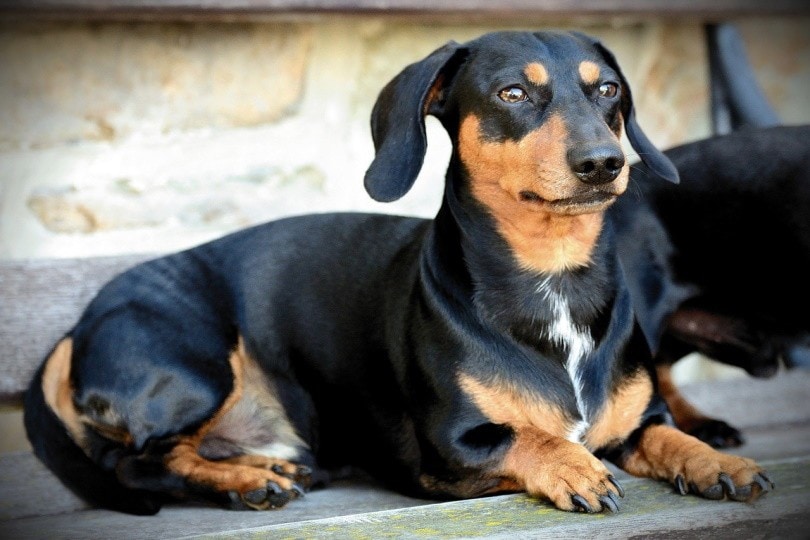
As a veterinarian and lifelong dog lover, I‘ve always had a special place in my heart for dachshunds. These spunky, comical little hounds never fail to bring a smile to my face. But as cute as they are, it‘s important for any dachshund owner to understand their dog‘s ideal size and weight in order to keep them healthy.
You‘ve probably heard dachshunds referred to as "wiener dogs" or "sausage dogs" thanks to their unusually long, low bodies. But did you know there are actually three distinct size varieties? That‘s right – dachshunds come in standard, miniature, and kaninchen (rabbit) sizes.
In this ultimate guide, we‘ll dive into the details of each variety‘s expected size and weight at different life stages. You‘ll learn how to tell if your dachshund is on track, red flags to watch out for, and tips for maintaining a healthy body condition. I‘ll also share some fun facts about these delightful little dogs along the way!
Dachshund Size Varieties
While all dachshunds have a similar body shape, there are three different size varieties recognized by the American Kennel Club:[1]
Standard Dachshund
- Height: 8-9 inches at the shoulder
- Weight: 16-32 pounds
- Chest circumference: 16-20 inches
Standard dachshunds are the largest of the three varieties. They typically stand 8-9 inches tall at the shoulder and weigh between 16 and 32 pounds when fully grown. However, some individuals may fall outside this range on either end.
Miniature Dachshund
- Height: 5-6 inches at the shoulder
- Weight: under 11 pounds
- Chest circumference: 12-16 inches
To be considered a miniature dachshund, a dog must weigh 11 pounds or less at maturity.[2] Most miniatures stand between 5 and 6 inches tall at the shoulder. Though they‘re small, they tend to have a sturdier build than their toy dog cousins like Chihuahuas or Pomeranians.
Kaninchen/Rabbit Dachshund
- Height: 4-5 inches at the shoulder
- Weight: 5-8 pounds
- Chest circumference: under 12 inches
The kaninchen or rabbit dachshund is not recognized as an official variety by the AKC, but these extra-small dogs are produced by some breeders, especially in Germany. A true kaninchen should weigh no more than 8 pounds and stand around 4-5 inches tall.[3]
It‘s important to note that breeding for extreme smallness can come with health risks like hypoglycemia, hydrocephalus, and fragile bones.[4] If you‘re interested in a rabbit dachshund, be sure to work with a reputable breeder who prioritizes health over size.
Dachshund Growth Chart
So how do you know if your dachshund puppy is on track to reach their full adult size? Here‘s a growth chart showing the average weights for each size variety at key developmental stages:
| Age | Standard Weight | Miniature Weight | Kaninchen Weight |
|---|---|---|---|
| Birth | 7-10 oz | 4-7 oz | 2.5-5 oz |
| 8 weeks | 4-7 lbs | 2-4 lbs | 1.5-2.5 lbs |
| 12 weeks | 7-12 lbs | 3.5-6 lbs | 2-4 lbs |
| 6 months | 16-24 lbs | 6.5-9 lbs | 4.5-6.5 lbs |
| 1 year | 16-32 lbs | 8-11 lbs | 5-8 lbs |
Keep in mind that these numbers are averages and there can be quite a bit of individual variation.[5] Your dachshund puppy may weigh slightly more or less at each stage and still be perfectly healthy.
In general, dachshunds do most of their growing in the first 6-8 months of life and reach their adult height by around 9 months old.[6] However, they may continue to fill out and add a few pounds until 12-18 months. Some larger standard dachshunds may not reach their full adult weight until 2 years old.
Body Structure and Ideal Weight
Dachshunds are dwarf dogs – meaning they carry the genetics for achondroplastic dwarfism. This is what gives them their signature short legs and long backs.[7]
While adorable, this unique body structure comes with some health considerations. One of the most important is maintaining an ideal weight. Excess pounds put extra strain on a dachshund‘s long spine and fragile intervertebral disks.
Approximately 1 in 4 dachshunds will experience intervertebral disk disease (IVDD) in their lifetime.[8] IVDD occurs when the cushioning disks between the vertebrae bulge or burst, pressing on the spinal cord. This can cause pain, nerve damage, and even paralysis.[9]
Obesity is a major risk factor for IVDD. In fact, a landmark study found that dachshunds who were 11-20% overweight had 3 times the risk of IVDD compared to their ideal weight counterparts.[10] That number jumped to 10-12 times the risk for dachshunds who were 21%+ overweight![11]
Even carrying a few extra pounds is more significant for small dogs like dachshunds than it is for larger breeds. A healthy 15-pound standard dachshund gaining 3 pounds is equivalent to a 150-pound human gaining 30![12]
Body Condition Scoring
So how can you tell if your dachshund is at a healthy weight? The best way is to use a body condition score (BCS) scale developed specifically for dogs.
My favorite BCS scale uses a simple 1-9 system:[13]
- 1/9: Emaciated, ribs and bony prominences visible
- 3/9: Thin, ribs easily felt with minimal fat covering
- 5/9: Ideal, ribs palpable without excess fat
- 7/9: Overweight, ribs palpable with difficulty, noticeable fat deposits
- 9/9: Obese, ribs not palpable under heavy fat cover, obvious abdominal distension
A healthy dachshund should fall around a 4-5 on the scale. You should be able to easily feel (but not see) their ribs and they should have an obvious waist when viewed from above.
If your dachshund scores a 6 or higher, it‘s time to talk to your veterinarian about a safe weight loss plan. Excess pounds sneak up gradually, so it‘s important to assess your dog‘s body condition regularly and make adjustments as needed to prevent obesity.
Dachshund Size Comparisons
To help you visualize just how small these mighty little dogs are, here are some common object comparisons for each size:[14]
- Standard adult male: About the size of a 1-gallon milk jug
- Standard adult female: About the size of a 2-liter soda bottle
- Miniature adult: About the size of a 1-liter soda bottle or small pineapple
- Kaninchen adult: About the size of a 20-oz soda bottle or small cantaloupe
Of course, individual dachshunds may be slightly larger or smaller. But in general, these comparisons give you a good sense of scale.
Fun Facts About Dachshund Size
We can‘t wrap up this ultimate guide to dachshund sizes without a few fun facts! Did you know:
-
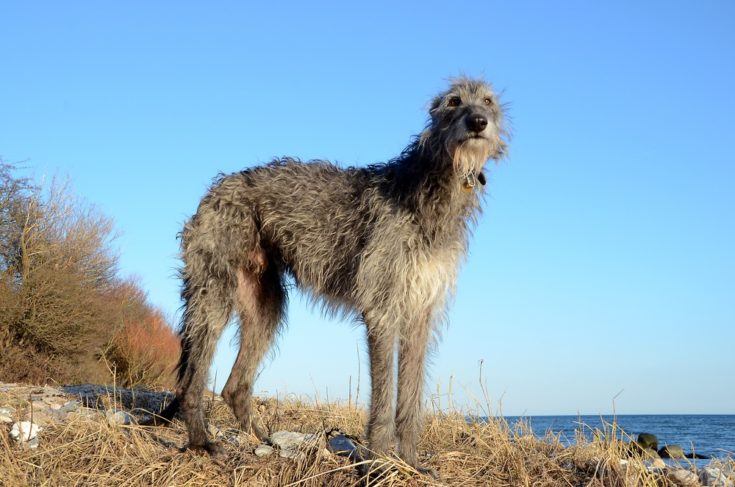
Dachshunds are the smallest members of the hound group – a category that also includes much larger dogs like Afghan Hounds, Bloodhounds, and Irish Wolfhounds.[15]
-
According to the AKC, the smallest dog ever recorded was a dachshund named Smallest, who weighed just 1.5 pounds and stood 2.75 inches tall.[16]
-
Artist Pablo Picasso owned a dachshund named Lump. The dog became a frequent subject in Picasso‘s paintings and ceramics.[17]
-
Despite their small size, dachshunds were originally bred to hunt fierce prey like badgers and wild boar![18] This may explain their tenacious (some might say "stubborn") personalities.
-
The dachshund‘s exaggerated body shape is the result of a form of canine dwarfism anchored in their DNA.[19] All those extra vertebrae sure make for a lot of silly antics!
Understanding your dachshund‘s ideal size and weight is a key part of being a responsible owner. By keeping them lean and fit, you‘ll help them live their happiest, healthiest, most tail-wagging life!
Sources
- American Kennel Club, Dachshund Breed Standard, 2022
- Ibid.
- Haynes, Williams H. "Know Your Dachshunds." 1954
- Tobias, Karen M. Manual of Small Animal Soft Tissue Surgery, Wiley 2021
- "Dachshund Growth Chart – How Big Will My Puppy Get?" WagWalking, 2023
- Ibid.
- "Dachshund Breed Information," VCA Animal Hospitals
- Dimar, John R., and Thambiraj, Daniel F. "Breed Specific Risks for Intervertebral Disc Disease," 2014
- Ibid.
- Coates, Joan R., et al. "Risk factors for intervertebral disk disease," 2006
- Ibid.
- Coile, Caroline. Dachshunds, Barron‘s 2005
- "Body Condition Scoring," World Small Animal Veterinary Association, 2023
- "How Big Do Dachshunds Get? Dachshund Sizes Explained!" The Puppy Mag, 2022
- "Hound Group," American Kennel Club, 2023
- Coile, Caroline. Dachshunds, Barron‘s 2005
- Gilot, Francoise. Life with Picasso, McGraw-Hill, 1964
- Dachshund Club of America, 2023
- "A missense mutation in DISHEVELLED 2 in a Dachshund with chondrodysplasia," 2021