
Doxie Scot (Scottish Terrier & Dachshund Mix): Pictures, Info, Care & More
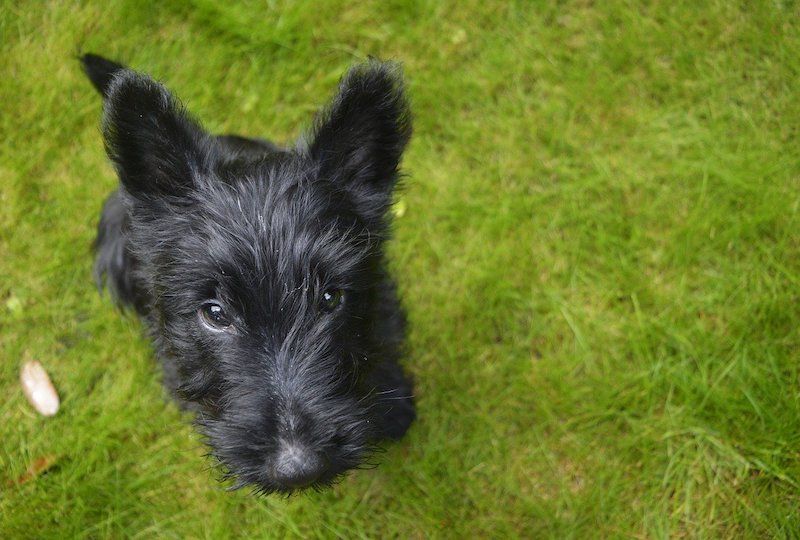
The Delightful Doxie Scot: Your Guide to the Dachshund Terrier Mix
Are you looking for a unique, adorable and spirited companion to bring joy and energy to your household? Look no further than the doxie scot – a designer hybrid mix between a dachshund and a Scottish terrier. With their outgoing personalities, loyalty, intelligence, and cute appearance, these little dogs have been gaining popularity in recent years.
But before you rush out to find doxie scot puppies for sale, it‘s important to learn more about this special mixed breed to see if they would thrive in your home and lifestyle. As a veterinarian and dog lover myself, I‘m excited to share an in-depth guide on the traits, history, care needs and fun facts about the dachshund terrier mix. By the end, you‘ll have a clear sense of whether this could be the ideal doggo for you!
A Fascinating History
The doxie scot is a relatively new hybrid mix without a well-documented history. However, we can learn a lot from looking at the background of the two parent breeds that make up this adorable combination.
Dachshunds originated in Germany, where they were bred to fearlessly hunt badgers and other den animals. Their long, low bodies allowed them to dig into burrows and tunnels to corner their prey. Meanwhile, Scottish terriers hail from the Scottish Highlands, where they were prized for hunting rats, foxes and other small game on farms.
Both breeds have a feisty, tenacious spirit and strong prey drive. While they transitioned to mostly companionship roles by the 20th century, you‘ll still notice some of those instincts in the doxie scot today. The two breeds were likely first crossed by breeders aiming to create a cute, portable family pet with the best traits of each purebred line.
Physical Characteristics
So what does a dachshund Scottish terrier mix look and feel like? As with any newer hybrid cross, physical traits can vary quite a bit from one individual dog to the next. They inherit a mix of genes from each parent breed.
In terms of size, most doxie scots weigh between 18 to 28 pounds and stand 8 to 10 inches tall at the shoulder when full grown. They have an elongated body shape, but not quite as exaggerated as a purebred dachshund.
Coats also differ based on the dominant genes inherited. If your pup takes after the Scottish terrier parent more, they may have a wiry, broken coat that is more hypoallergenic and requires hand-stripping a few times per year to look tidy.
The dachshund genes lend the possibility of either a smooth and short coat, or a longer coat with feathering on the ears and tail. Those coats tend to shed quite a bit more. Common coat colors include black, tan, white, brown, red, golden, gray or a mix.
Their faces are quite expressive with dark, intelligent almond-shaped eyes, upright ears and a medium-length muzzle. Most have a dachshund-like body with their signature short, slightly curved legs.
Personality Plus
Now for the fun part – doxie scot temperament and personality! These dogs pack a lot of spunk, smarts and spirit in their compact bodies. They tend to bond very closely with their owners and become a devoted companion. Many tend to pick a clear favorite person who they follow around the house and stick to like velcro.
While loving and gentle with their families, they also have an independent streak. Their self-confidence can cross over into stubbornness at times, especially when it comes to training. First-time dog owners may find them challenging, as they don‘t always obey commands and like to test boundaries.
Doxie scots are lively, inquisitive and playful dogs who need a good deal of mental stimulation to prevent boredom. They enjoy games, puzzle toys, trick training and scent work that engages their clever minds.
Ever alert and watchful, many doxie scots take their guard dog role very seriously. They won‘t hesitate to sound the alarm with barking when guests arrive or unusual noises catch their attention. Early training and socialization is important to prevent territorial or overprotective behaviors.
With older children and adults who can respect their boundaries, the dachshund terrier cross is affectionate and eager to please. But many aren‘t a great fit for families with babies, toddlers or young kids who don‘t know how to interact gently. They may snap or growl if handled roughly.
When it comes to other dogs, cats or pets, early socialization is key for doxie scots to cohabitate peacefully. They have a strong prey drive, so introductions to smaller pets should be closely supervised. With positive exposure and training starting from puppyhood, they can certainly learn to make friends. In general, they do best with another mellow, non-dominant canine companion if any.
Caring for Your Doxie Scot
Next, let‘s discuss how to keep your dachshund Scottish terrier mix happy and healthy. While they have moderate exercise needs, a couple walks per day is important for both their physical and mental well-being. Aim for about 30 to 60 minutes total, broken up into two sessions.
Since they have short legs and long backs, be careful not to overdo it or encourage jumping and high-impact activities. Keep walks at a controlled pace and discourage them from bounding up and down stairs or hopping up on high furniture to prevent back injuries. A good harness can also distribute pressure better than a neck collar.
As with all dogs, your doxie scot will do best on a nutritious, balanced and age-appropriate diet. Avoid free-feeding or overdoing fatty treats. Excess weight puts added strain on their joints and spine, increasing the risks of painful intervertebral disc disease (IVDD) that dachshund mixes are prone to. Discuss the proper food portions with your vet.
Grooming routines will depend on your doxie scot‘s coat type. Wire-haired pups will need brushing a few times a week, plus hand-stripping or clipping by a professional groomer seasonally. Smooth or long coats require more frequent brushing and deshedding, but only occasional baths. Check and clean their ears weekly to avoid infections, and trim nails every month or so.
Training can be tricky with this smart but sometimes obstinate hybrid. Start early and keep sessions upbeat, fun and rewarding. Be patient and consistent with your cues. Harsh corrections will only shut them down. Puppy kindergarten and ongoing positive reinforcement training is advised.
Doxie scots also tend to be very sensitive and attuned to their owner‘s moods. They pick up on stress, anger, anxiety or sadness and often mirror those emotions with nervous or mopey behavior. Do your best to be a calm, stable presence.
While they don‘t need constant attention, they thrive with quality time and closeness with their favorite humans each day. Make them feel included in your activities. Most are happy to accompany you on errands or chill by your side while you work from home.
Health and Lifespan
With attentive care, a doxie scot can enjoy a lifespan of 12 to 14 years on average. They are generally healthy dogs, but may be prone to certain hereditary conditions based on their parent breeds:
• Intervertebral disc disease (IVDD): herniated discs and spine problems
• Hip and elbow dysplasia: malformed joint sockets
• Patellar luxation: dislocating kneecaps
• Eye disorders: cataracts, glaucoma, dry eye, progressive retinal atrophy
• Skin problems: allergies, atopy, seborrhea
• Hypothyroidism: low thyroid hormone production
• Cushing‘s disease: overactive adrenal glands
• Deafness and dental disease in seniors
Discuss these possible issues with your vet. Certain screenings may be advised, especially if you don‘t know much about your doxie scot‘s family health history. Keeping them at a healthy weight, up to date on preventative care, and away from toxins and accident risks goes a long way for a good quality of life.
Fun Facts About the Doxie Scot
Still eager to learn more about this spunky sweetie? Here are a few fun and interesting facts:
• In Germany, dachshunds are called "dackel" or "teckel," which cutely translates to "badger dog." Scots or "Scotties" earned the nickname "die hard" for their persistence and grit.
• Celebrity dachshund owners include Picasso, John Wayne, Marlon Brando, Joan Crawford, Jack Black, Ashley Olsen, Josh Duhamel and Christian Slater. Famous Scottish Terrier fans have been Bette Davis, Humphrey Bogart, Jackie Kennedy, Rudyard Kipling and Queen Victoria.
• Two American presidents brought Scottish Terriers with them to the White House – Franklin Roosevelt and George W. Bush. It‘s clear Doxie Scots come from illustrious lineages!
• Doxie scots are sometimes also called Weiner Scots or Scottshunds.
• The world‘s oldest dog, according to the Guinness Book of World Records, was an Australian cattle-herding dachshund named Chanel who lived to age 21.
• Dachshund mixes like the Doxie Scot often compete in Earthdog Trials to test their pest control skills in tunnels and dens. Those strong prey instincts are still there!
• Scottish Terriers have earned quite a few Best in Show titles at the Westminster Kennel Club Dog Show over the decades, most recently in 2010.
Is a Doxie Scot Right for You?
Now that you‘ve learned the ins and outs of the dachshund terrier mix, does this sound like the ideal dog for your lifestyle and home? Let‘s review some of the key points to consider:
Doxie scots can be a good fit for households with adults or families with older, respectful children. Their feisty, independent nature is often too much for young kids to handle. Toddlers may play too roughly with them.
Apartment dwellers and those who work from home can certainly meet the activity needs of a doxie scot, but they should plan on a couple daily walks and play sessions. A securely fenced yard for romping is a bonus.
If you have other pets, focus on proper introductions and socialization from day one. Doxie scots have a high prey drive around small animals and can be territorial around dogs if not trained early.
First-time owners may find doxie scots challenging when it comes to obedience training. They need a tactful, patient and consistent approach without harsh corrections. Consider enrolling in a positive puppy training class for guidance.
Grooming demands will depend on the coat type your doxie scot inherits. At minimum, plan on weekly brushing and ear cleanings, with more involved grooming needs for wire-haired or long-haired coats.
If you want a dog who always obeys commands, a doxie scot is likely not the best pick. But if you love a dog with a big personality who will be unwaveringly devoted to you, this could be a great match! Just be sure you can reciprocate with plenty of quality time and affection.
Proper diet, exercise and preventive vet care is a must to reduce risks of obesity and back problems that are prevalent in dachshund mixes. Pet insurance is advised to help cover any specialist orthopedic care or surgeries that could be necessary.
Where to Find Doxie Scot Puppies
When you feel prepared and excited to welcome a dachshund terrier mix into your world, take your time to find an ethical breeder or rescue organization. Avoid pet shops, backyard breeders or online sellers who cannot prove health screenings of the parent dogs or provide records of the pup‘s vet care.
Sites like PuppyFind.com and Lancaster Puppies allow you to browse listings from breeders across the country. You can also seek out Scottish Terrier or Dachshund breed-specific rescue groups who may occasionally have doxie scot mixes for adoption. The main thing is to do your research and ask plenty of questions to ensure your future pup has been raised with love and care.
Once you find that perfect doxie scot match, get ready for years of laughter, antics, snuggles and devotion! These unique pups have so much charm and character packed into their small but mighty bodies. With a committed owner who understands their needs, they can truly thrive.
I hope you found this guide informative and helpful in your quest to learn about the doxie scot hybrid. Wishing you all the best in your search for a forever friend!


:%20Pictures,%20Info,%20Care%20&%20More)