Dutch Shepherds: The Versatile and Devoted Working Dog Breed
Dutch Shepherds are a rare and remarkable breed known for their intelligence, athleticism, and unwavering loyalty. Developed in the Netherlands as all-purpose farm dogs, these versatile canines have proven their worth in various working roles, from herding and cart-pulling to police work and search and rescue. In this comprehensive guide, we‘ll explore the history, characteristics, care requirements, and joys of living with a Dutch Shepherd.
A Rich History of Service
The Dutch Shepherd‘s story begins in the late 19th century on the farms of the Netherlands. Farmers needed a versatile dog that could handle a wide range of tasks, from herding sheep and cattle to guarding property and even pulling carts loaded with produce to market. Local farm dogs and herding breeds were crossed to create a dog with the intelligence, strength, and work ethic to meet these demands.
In 1898, the Dutch Kennel Club recognized the Dutch Shepherd as a distinct breed, with a breed standard that specified a brindle coat to set them apart from similar herding breeds in the region. The breed‘s development was influenced by key figures like P.M.C. Toepoel, who wrote the first breed standard and advocated for the Dutch Shepherd‘s recognition and preservation.
During World War II, Dutch Shepherds served as messenger dogs and search and rescue dogs, saving countless lives in the midst of conflict. In the decades that followed, the breed‘s versatility and trainability made them popular choices for police and military work, as well as guide and service dog roles.
Today, Dutch Shepherds are still relatively rare, especially outside of the Netherlands. According to the Dutch Shepherd Club of America, there are an estimated 2,000 to 2,500 Dutch Shepherds worldwide, with only a few hundred in the United States. However, their popularity is growing as more people discover the breed‘s exceptional qualities and adaptability.
Versatility in Work and Play
One of the Dutch Shepherd‘s most remarkable traits is their versatility. These dogs excel in a wide range of working roles, from traditional herding and farm work to modern-day police and military service. Their intelligence, athleticism, and trainability make them well-suited for tasks that require focus, endurance, and problem-solving skills.
In police and military work, Dutch Shepherds are valued for their ability to track and apprehend suspects, detect explosives and narcotics, and perform search and rescue operations. They have been deployed in high-profile events like the 9/11 World Trade Center attacks and the 2010 Haiti earthquake, where their skills and dedication have saved countless lives.
Dutch Shepherds also make exceptional service dogs, assisting individuals with disabilities and providing emotional support. Their calm, focused demeanor and desire to work make them well-suited for tasks like guiding the visually impaired, alerting to medical emergencies, and providing comfort to those with anxiety or PTSD.
In addition to their working roles, Dutch Shepherds excel in various dog sports and activities. They are natural athletes, with the speed, agility, and stamina to succeed in sports like agility, flyball, and dock diving. Their herding instincts also make them competitive in herding trials and nose work events.
The breed‘s success in these diverse roles is a testament to their adaptability, intelligence, and work ethic. As one Dutch Shepherd owner and trainer puts it, "These dogs have an incredible ability to learn and excel at whatever task you put in front of them. They never cease to amaze me with their drive and dedication."
Physical Prowess and Striking Appearance
Dutch Shepherds are medium to large dogs with a powerful, athletic build that reflects their working heritage. Males typically stand 22 to 25 inches tall at the shoulder and weigh 55 to 75 pounds, while females are slightly smaller at 21 to 24 inches and 45 to 65 pounds.
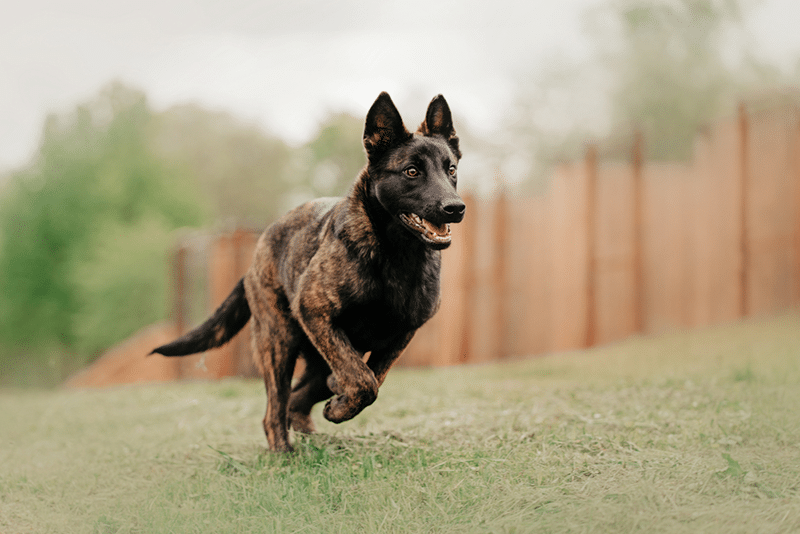
The breed‘s most distinctive feature is their brindle coat, which comes in shades of gold or silver with dark stripes. The coat can be short, long, or rough in texture, with the short coat being the most common. The brindle pattern is believed to provide camouflage in the Dutch Shepherd‘s original working environment, allowing them to blend in with the tall grasses and shadows of the farm fields.
Dutch Shepherds have a wolf-like appearance, with a strong, wedge-shaped head, almond-shaped eyes, and erect, triangular ears. Their muscular neck, deep chest, and strong, straight back give them a powerful and agile silhouette. The breed‘s lithe, athletic build allows them to move with effortless grace and endurance, covering ground efficiently and tirelessly.
Despite their striking appearance, Dutch Shepherds are not bred for show. The breed standard emphasizes functionality over aesthetics, with a focus on traits that enable the dog to work effectively and efficiently. As the Dutch Shepherd Club of America states, "The Dutch Shepherd is a working dog and should be evaluated as such. Honorable scars and missing teeth incurred in the line of duty are not to be penalized."
Temperament and Training
Dutch Shepherds are known for their intelligence, loyalty, and work drive. They are alert, focused, and always ready for action, with a strong desire to please their owners and excel at any task they are given. However, their high energy level and independent streak can make them challenging for novice owners or those without experience with working breeds.
Early socialization and consistent training are essential for Dutch Shepherds. They need exposure to a variety of people, animals, and environments from a young age to develop confidence and social skills. Positive reinforcement methods, such as clicker training and reward-based techniques, are most effective in channeling their enthusiasm and building a strong bond between dog and handler.
Dutch Shepherds thrive on mental and physical stimulation. They need daily exercise and plenty of opportunities to use their minds, whether through training sessions, puzzle toys, or interactive play. Without sufficient outlets for their energy and drive, they can become bored, destructive, and difficult to manage.
As one Dutch Shepherd breeder explains, "These dogs are not for everyone. They require a committed owner who understands their needs and is willing to put in the time and effort to train and work with them. But for the right person, a Dutch Shepherd can be an incredibly rewarding and devoted companion."
Health and Longevity
Dutch Shepherds are generally a healthy breed, with a lifespan of 11 to 14 years. However, like many large breeds, they can be prone to certain health issues. Responsible breeders screen their breeding stock for genetic disorders to help minimize the risk of these conditions in their puppies.
Hip and elbow dysplasia are the most common health concerns in Dutch Shepherds. These inherited joint disorders can cause lameness, pain, and arthritis, impacting the dog‘s quality of life. According to the Orthopedic Foundation for Animals, 12.7% of Dutch Shepherds tested have hip dysplasia, while 8.3% have elbow dysplasia. Responsible breeders have their dogs‘ hips and elbows evaluated and only breed those with healthy joints to reduce the incidence of these disorders.
Other health issues that can affect Dutch Shepherds include thyroid problems, particularly in long-haired dogs, and eye disorders like glaucoma and progressive retinal atrophy. Bloat, a life-threatening condition in which the stomach twists and fills with gas, is also a concern in deep-chested breeds like Dutch Shepherds.
To ensure the best possible health outcomes, Dutch Shepherd owners should choose a reputable breeder who performs health screenings and provides documentation of the results. Regular veterinary check-ups, a balanced diet, and appropriate exercise are also essential for maintaining the breed‘s health and longevity.
Living with a Dutch Shepherd
Living with a Dutch Shepherd is an adventure filled with love, laughter, and plenty of activity. These dogs are not couch potatoes – they thrive on being involved in every aspect of their family‘s life, from morning jogs to evening cuddle sessions.
Dutch Shepherds are affectionate and devoted to their owners, forming strong bonds that last a lifetime. They are excellent with children, especially when raised with them from puppyhood and taught to be gentle and respectful. Their protective instincts make them vigilant guardians, always alert to potential threats and ready to defend their family if needed.
However, living with a Dutch Shepherd also comes with challenges. Their high energy level and work drive require a significant investment of time and effort from their owners. Daily exercise, training sessions, and mental stimulation are non-negotiable for these dogs – without them, they can become restless, destructive, and difficult to manage.
Dutch Shepherds also have a strong prey drive and herding instinct, which can lead to chasing and nipping at moving objects, including small animals and children. Early training and socialization can help manage these behaviors, but owners must be prepared to provide consistent guidance and redirection throughout the dog‘s life.
Despite these challenges, Dutch Shepherd owners are passionate about their dogs and the rewards that come with sharing their lives with this exceptional breed. As one owner puts it, "My Dutch Shepherd is my constant companion, my workout partner, and my best friend. He challenges me to be a better trainer and a better person every day. I can‘t imagine my life without him."
Is a Dutch Shepherd Right for You?
If you‘re considering adding a Dutch Shepherd to your life, it‘s essential to honestly assess your lifestyle, experience, and commitment to meeting this breed‘s needs. Dutch Shepherds are not suitable for everyone – they require an owner who is active, engaged, and willing to put in the time and effort to train and work with them.
Ideal Dutch Shepherd owners have experience with working or herding breeds and are familiar with positive reinforcement training methods. They have an active lifestyle that allows for daily exercise and training sessions, as well as plenty of quality time with their dog. They are patient, consistent, and willing to adapt their expectations and approach as their dog‘s needs change over time.
If you have the skills, experience, and dedication to provide a Dutch Shepherd with the structure, stimulation, and companionship they need, you will be rewarded with a loyal, intelligent, and devoted friend for life. As the Dutch Shepherd Club of America states, "The Dutch Shepherd is a unique and special breed. They are not for everyone, but for the right person, they are the best dog in the world."
Conclusion
Dutch Shepherds are a remarkable breed with a rich history, exceptional versatility, and unwavering devotion to their owners. From their origins as all-purpose farm dogs to their modern-day roles as working and companion animals, these dogs have proven their worth time and time again.
While not suitable for everyone, Dutch Shepherds can thrive with owners who understand their needs and are committed to providing them with the training, exercise, and mental stimulation they require. With their intelligence, athleticism, and loyalty, these dogs are capable of extraordinary feats and forming unbreakable bonds with their human partners.
As the Dutch Shepherd‘s popularity continues to grow, it is essential that breeders, owners, and enthusiasts work together to preserve the breed‘s unique qualities and ensure their health and well-being for generations to come. With proper care, training, and appreciation, Dutch Shepherds will continue to excel in various roles and enrich the lives of those fortunate enough to share their journey.