Everything You Ever Wanted to Know About Newfoundland Drooling

How This Lovable Breed Became the Slobber King of the Canine World
Newfoundlands are one of the most adored giant breeds in the world, famous for their sweet dispositions, strength, and impressive size. However, there is one trait that Newfies are perhaps best known for above all else – their propensity for profuse drooling! As a veterinarian and lifelong Newfoundland lover, I‘ve collected everything you need to know about the how, why, when, and where of Newfie drool.
Why Do Newfoundlands Drool So Much?

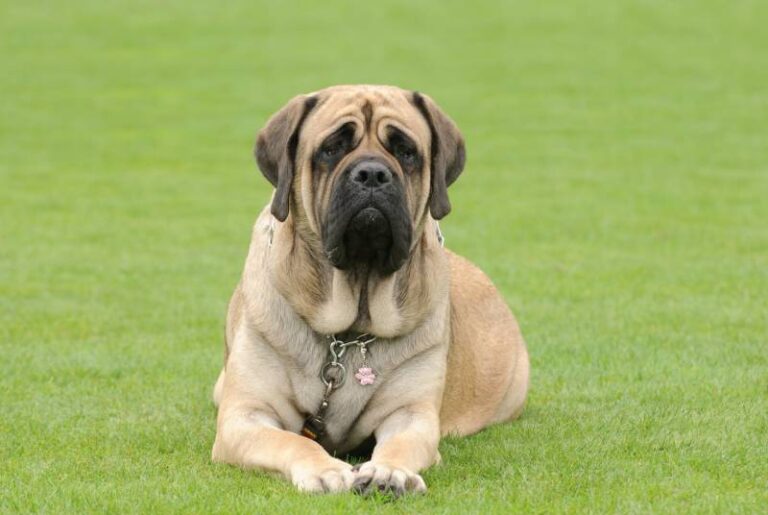
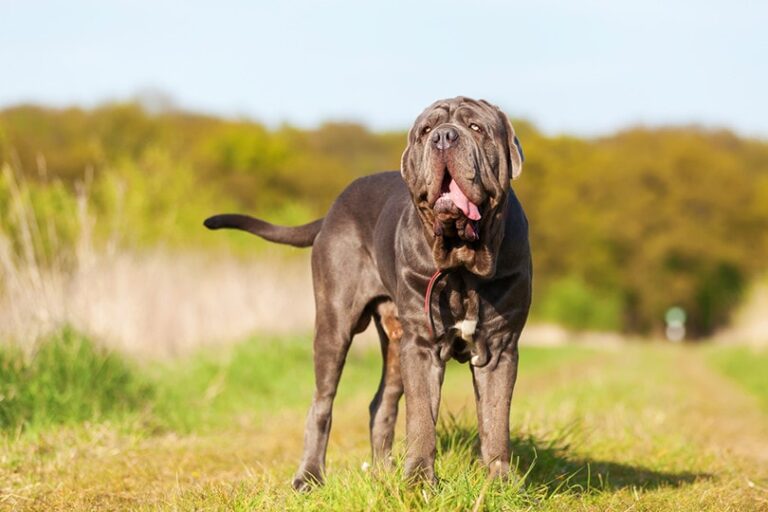
The primary reason Newfoundlands are such prodigious droolers boils down to the unique anatomy of their heads and mouths. Several key structural features common to the breed create the perfect storm for saliva overflow:
- Loose, pendulous upper lips (aka "flews")
- Expansive jowls with abundant folds
- A slightly undershot bite resulting in a small gap between the upper and lower lips
- Large, open mouths with considerable surface area for saliva to collect
Compared to breeds with tighter-fitting lips, Newfoundlands have significant "drool real estate" where saliva pools until it eventually spills over. Once a Newfie‘s flews and jowls are at maximum drool capacity, the overflow has nowhere to go but down and out!
Just how much drool are we talking? While it varies from dog to dog, the average adult Newfoundland can produce an estimated 1-2 liters of saliva per day. In a survey of Newfoundland owners, 78% reported their dogs drooled "excessively" or "constantly." When asked to describe their Newfie‘s drooling, common responses included:
- "Like a leaky faucet"
- "Niagara Falls in canine form"
- "Enough to float a small boat"
- "A slimefest of epic proportions"
So while a little dripping here and there is par for the course with most dogs, Newfoundlands take drooling to a whole new level!
Factors That Impact Newfoundland Drool Production
The degree of drooling in individual Newfoundlands can vary considerably. Some seem to only have occasional slobber strings, while others are perpetually soaked in spit. However, even the "driest" Newfies are still likely to unleash the drool under certain circumstances, such as:
Anticipating Food or Treats
For many Newfoundlands, the mere sight of a favorite snack or the sound of kibble hitting the bowl is enough to get the saliva surging. This is due to a reflexive response called the "olfactory salivation reflex." Essentially, the smell or expectation of food triggers the brain to send signals stimulating the salivary glands in preparation for eating.
Newfoundland owner Jenna Smith describes the dinnertime drool deluge: "As soon as my Newfie hears me open the pantry where his food is kept, the floodgates open. By the time I put his bowl down, he‘s already created a small lake of drool on the floor!"
Drinking Water
With their big, droopy jowls acting as built-in reservoirs, it‘s practically impossible for Newfoundlands to take a sip of water without a fair amount of slobbery spillage. The process typically goes something like this:
- Newfie approaches water bowl and begins to lap enthusiastically, jowls submerged and acting as sponges.
- Jowls reach complete saturation, overflowing into the bowl and creating secondary splashes.
- Newfie finishes drinking and lifts head, sending a cascade of water/drool down their chest and onto the floor.
- A drool trail follows the Newfie as they walk away from the bowl, marking their path like a sluggish slug.
Many Newfoundland owners report needing to mop or towel the area around the water bowl multiple times a day to keep up with the soggy fallout. Investing in an absorbent mat or tray under the bowl can help contain the splatter zone.
Excitement and Activity
For Newfies, few things get the drool pumping quite like a rousing play session, enthusiastic greeting, or other stimulating activity. The physical exertion and panting associated with exercise and excitement causes saliva production to increase.
This burst of slobber can be particularly impressive when directed at unsuspecting human targets. Newfoundland breeder Diane Blandford warns, "If you don‘t want to end up drenched in slime, never put your face at Newfie level when they are worked up. You might get a well-intentioned but very wet kiss!"
Overheating
As with many large, double-coated breeds, Newfoundlands are prone to overheating in warm weather. One way they attempt to cool off is by panting and drooling excessively. The evaporation of saliva from their mouth and tongue helps regulate body temperature.
It‘s crucial for Newfoundland owners to provide plenty of shade, ventilation, and fresh water to prevent heat-related illnesses. Frozen treats, cooling mats, and restricting exercise to cooler parts of the day can also help keep Newfies comfortable. A telltale sign of an overheating Newfie is thick, ropey drool and excessive panting.
Does Color Impact Newfoundland Drooling?
Newfoundlands come in several recognized color varieties, including solid black, brown, gray, and black & white (Landseer). Some owners wonder if coat color has any effect on the appearance or volume of a Newfie‘s drool.
The short answer is no – all Newfoundlands have the same anatomical drool-inducing features regardless of color. However, the visibility of dried drool residue on the coat may be more noticeable on lighter colored Newfies.
Black & white Landseers, for instance, tend to develop brown staining on their white muzzle and chest from drool and water dribbles. More frequent spot cleaning may be required to keep them looking tidy.
When Do Newfoundland Puppies Start Drooling?
Most Newfoundland puppies begin to showcase their slobbering skills around 6-9 months old, as their adult teeth emerge and jowls mature. However, some overachieving pups start dripping drool as early as 12-16 weeks.
Breeder Karen Gleason recalls, "One of my most memorable puppies started with the drool practically right after her eyes opened. By 8 weeks old she had perfected the ‘shake and fling‘ move, splattering everyone at the dog park."
While early drooling can be a sign of a particularly drooly adult Newfie in the making, puppy drool production is not always predictive. Some slow starters end up being the biggest slobber monsters once they reach maturity.
Regardless of when it starts, the drooling phase of Newfoundland puppyhood adds an extra layer of adorable messiness to an already roly-poly, clumsy developmental stage. Prepare to be charmed by your damp little dumpling!
Drool-Proof Your Home: Tips & Tricks
As much as we love them, living with a drool factory requires some creative mess management. Here are some tried and true drool-proofing tips from seasoned Newfoundland owners:
- Invest in a pack of thin, absorbent bar mop towels to quickly mop up drool puddles and wipe down surfaces. Stash them in easy-to-reach places around the house and in your vehicle.
- Place machine-washable throw blankets over your Newfie‘s favorite resting spots on furniture. Choose materials that repel moisture and resist staining like microfiber.
- Keep a drool rag on hand to swipe your Newfie‘s jowls and chest after meals, play sessions, and when coming inside from outdoors.
- Outfit your Newfie in a bandana-style drool bib when guests visit or you need a break from the slobber. Look for styles with a waterproof liner and that fasten securely.
- Create a drool-free zone with a baby gate or exercise pen if you need to contain the slobber to a certain area. This is handy when serving food or if you have visitors with drool sensitivities.
- Brush/wipe down your Newfie‘s coat regularly to prevent drool residue from building up and causing matting or skin irritation. Pay extra attention to the neck, chest, and muzzle areas.
- Choose hard, non-porous flooring that is easy to wipe clean like tile, vinyl, sealed concrete, or wood. Carpet and drool are not compatible!
Of course, a good sense of humor and relaxed attitude are the ultimate keys to coexisting peacefully with Newfie drool. Resigning yourself to a little slime here and there is part of the deal when you open your heart and home to these sweet slobber monsters.
Newfoundland Drooling in Pop Culture
Newfoundlands and their impressive drooling capabilities have made memorable appearances in books, movies, and television. Some notable drool moments include:
-
Nana in J.M. Barrie‘s beloved children‘s story Peter Pan was a Newfoundland who acted as a nanny to the Darling children. While her drooling wasn‘t explicitly described, one can imagine the Lost Boys having a field day with her slobber!
-
The 1992 movie Beethoven featured a large, lovable St. Bernard named after the famous composer. While Beethoven himself was not a Newfie, his excessive drooling and penchant for making messes was very relatable to Newfoundland owners.
-
Seaman, a Newfoundland who accompanied Lewis & Clark on their famous expedition, was mentioned in several journal entries. While drool was not specifically reported, it‘s safe to assume the intrepid pup left a slobbery mark on history.
-
Gander and Boomer, a pair of Newfoundlands, held the Guinness World Record for "Longest Distance Pulling a Wagon by a Dog Team" in 2003. One can only imagine the trail of drool they left in their wake!
-
Boo Radley, a Landseer Newfoundland, portrayed the role of "The Beast" in several films based on the Guardians of Ga‘Hoole series of children‘s books. His drool was likely the least of his worries with that get-up!
While drooling is not always celebrated in these pop culture depictions, it‘s an endearing reminder of the breed‘s larger-than-life presence and personality. Newfies may be messy, but they sure know how to make a memorable impression!
Newfoundland Nutrition & Coat Health

Caring for a Newfoundland‘s glorious double coat is a big responsibility, and nutrition plays a key role in keeping it healthy. Excessive drooling can contribute to coat issues like matting, skin irritation, and odor if not managed properly.
A diet rich in omega-3 fatty acids from fish oil can help support skin and coat health by reducing inflammation and dryness. Probiotics and digestive enzymes may also benefit Newfies prone to GI issues that can exacerbate drooling.
Regularly brushing and washing your Newfie‘s face, neck, and chest can prevent drool buildup and subsequent skin problems. A leave-in conditioner or detangling spray may make removing drool residue from longer furnishings easier.
If you notice excessive scratching, redness, flaking, or a foul odor associated with your Newfie‘s drool habits, it‘s best to consult with your veterinarian. They may recommend a medicated shampoo or other treatments to get skin issues under control.
The Newfoundland Oath: Embracing the Drool
At the end of the day, Newfoundland ownership is not for the faint of heart (or weak of stomach). These giant, gentle dogs come with a fair amount of mess and mayhem. But for those who love them, the drool is simply part of the charm.
When you welcome a Newfoundland into your life, you take an unspoken oath to embrace all of their wonderful, wacky traits – slobber and all. You accept that your clothes, furniture, and floors may never be pristine again. You arm yourself with towels, rags, and a constant supply of cleaning products. But most importantly, you make peace with the drool and focus on the immense joy and laughter these big goofs bring into your world.
As Newfoundland owner Chris Kelly puts it, "Drool is just Newfie glitter – a little sparkle they leave on everything they love. And trust me, Newfies love hard. So if you can handle a bit of glitter in your life, you‘ll never find a more devoted, delightful friend than a Newfoundland. Just keep a towel handy and prepare for your heart to be as full as your Newfie‘s jowls!"
References
- American Kennel Club. "Newfoundland." https://www.akc.org/dog-breeds/newfoundland/
- Newfoundland Club of America. "About the Newfoundland." https://www.ncanewfs.org/about-the-newfoundland/
- Pedersen, N. C., Brucker, L., Tessier, N. G., Liu, H., Penedo, M. C., Hughes, S., & Oberbauer, A. M. (2015). The effect of genetic bottlenecks and inbreeding on the incidence of two major autoimmune diseases in standard poodles, sebaceous adenitis and Addison‘s disease. Canine Genetics and Epidemiology, 2(1), 1-19.
- Pivetta, M., De Risio, L., Newton, R., & Dennis, R. (2013). Prevalence of lateral ventricle asymmetry in brain MRI studies of neurologically normal dogs and dogs with idiopathic epilepsy. Veterinary Radiology & Ultrasound, 54(5), 516-521.