
Famous Figures Thriving with Autism: Spotlighting Diverse Abilities while Advancing Acceptance
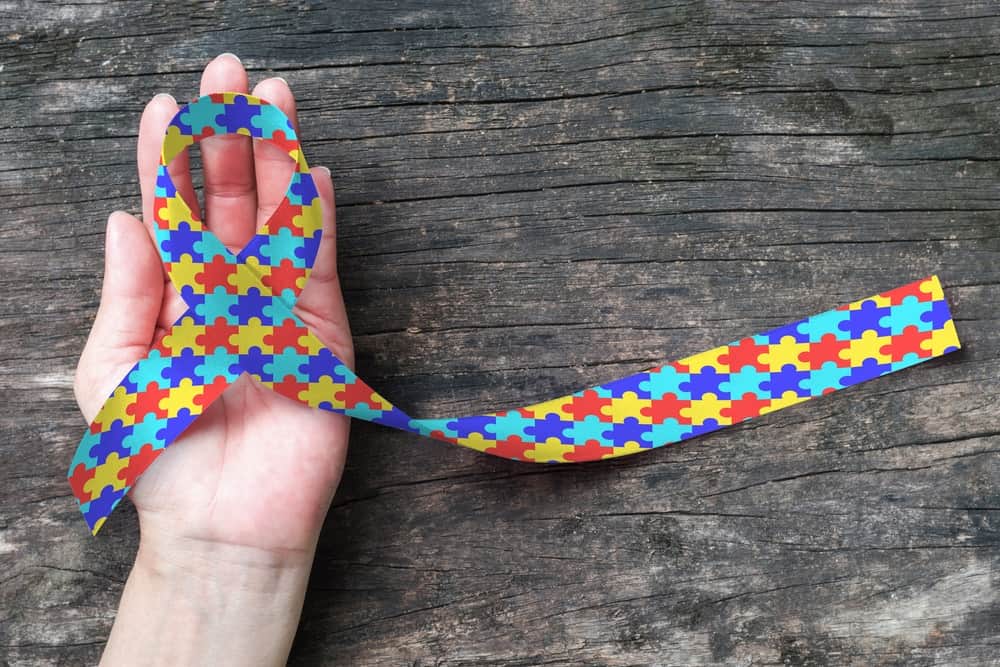
1 in 44 children are now diagnosed with autism in the United States as of 2020, according to the Centers for Disease Control and Prevention (CDC). This steady rise over the past decade primarily reflects growing awareness of milder forms of autism such as Asperger‘s syndrome. However, increased prevalence also signals a true shift—more people are being born on the autism spectrum.
Unfortunately negative stereotypes persist more broadly regarding autism as inherently limiting one‘s ability to have meaningful relationships or professional success. The reality is many lead deeply fulfilling, thriving lives while simply navigating the world differently.
So what enables those with autism to excel and make outstanding contributions to society? Supportive interventions early on along with opportunities catering to their diverse abilities rather than focusing limitations.
When embraced for their distinctive worldviews and talents, those on the autism spectrum enrich our human tapestry beyond measure. Let‘s explore some current and historical figures who illustrate this across business, academia, technology, arts and sciences:
Seeing Finance Through a Detailed Lens: Gary N. Crittenden
"Keep doing what you‘re good at" has sustained American Express CFO Gary Crittenden’s storied rise leading major finance decisions at top global banks.
Diagnosed with Asperger’s syndrome entering his 30s, Gary leverages a hallmark cognitive trait seen in many with autism—the ability to systematically analyze complex quantitative information while excelling in rules-based systems like accounting.

He wired his intrinsic focus intently on spreadsheets and financial data to climb the corporate ladder. Yet Gary acknowledges lacking natural social perceptiveness characteristic of autism held back fluidly networking internally:
"I‘ve always been reasonably good at numbers things, accounting-related things, math and arithmetic…but not very good with people, reading their emotions or cues as you go…I miss a lot of the emotional things that are going on around me."
Nonetheless, he persevered capitalizing strengths compensating weaknesses, offering takeaways for others on the spectrum:
- "My advice to young adults on the autism spectrum would be to thinking hard about your natural attributes and strengths and look to play to those in your work."
- "Try to get employment doing something that you have an intrinsic level of comfort with."
Structure likewise helps significantly. Though Gary finds busy social functions taxing, having defined work problems and goals directed his energy fruitfully.
Succeeding despite autism rather than being obstructed by it took self-advocacy and courage—traits we see across many exceptional figures.
Painting Personified Emotions: Diane Tammen
Renowned artist Diane Tammen interprets autism as heightening her experience-based paintings conveying sadness, joy and longing beyond the verbal.

I have strong passions that amount to extreme giftedness and extreme deficit…My gift lies in my use of vision to create art that speaks to others.
She associates music ambiently with bursts of color, texture and shapes realized visually on canvas. Tammen also grapples with multisensory differences that amplify distressing noises and information overload.
Channeling sensory intensity into art helped construct an emotional vocabulary and career:
"When I began making visual representations of overloaded sensations, benefit became clear. I was communicating anguish and relief through painting.”
Tammen further champions autism-inclusive creative arts programs and sensory-friendly spaces accommodating not dampening enriching neurodivergence.
Specialized educational supports early on similarly established solid foundations for success among leading thinkers like Dr. Temple Grandin.
Transforming Cattle Care through Firsthand Insights: Dr. Temple Grandin
"Different, not less." That phrase encapsulates Dr. Temple Grandin’s groundbreaking message as an openly autistic woman pioneering animal science innovations in the 1970s-80s when autism was shrouded in ignorance.
Born in 1947 prior to established autism research, doctors deemed Temple irredeemably brain damaged by age 2 unable to speak. Her mother‘s tireless campaigning secured speech therapy and hands-on mentoring enabling Temple’s first words at 4 years old.
An innate affinity for livestock led Dr. Grandin to revolutionize humane cattle handling systems still used widely today. She also illuminated insider perspectives on autism through candid writings and speaking—all while earning her PhD in animal science.

“One of the big problems that people have with autism is they try to normalize people into being like everyone else when, in reality, you need to help them normalize but keep their specialized talents.” – Dr. Temple Grandin
Temple credits consistent mentoring and opportunities to intensely study her special interests as enabling her career achievements balancing autism. Her glass ceiling-shattering life accelerated acceptance and supports needed for more people on the spectrum to utilize their capabilities fully.
Unlocking Potential Starts Early: Early Intervention Sets Trajectories
Dr. Grandin’s journey underscores that autism itself should never limit one’s opportunities nor potential with proper support structures in place.
Applied behavioral analysis (ABA) methods she benefited from have advanced significantly over recent decades for children showing signs of autism. [Research strongly backs ABA as the most effective therapy teaching social, motor, verbal and reasoning skills.]
When started by ages 3-7, outcomes dramatically improve enabling greater independence navigating school, relationships and eventually careers. Many newly diagnosed toddlers respond excellently learning to communicate socially, self-regulate behaviors and focus attention with expert help.

Effective therapies provide the building blocks of success children on the autism spectrum need
Yet quality ABA and speech therapies remain costly and not universally covered. As higher education and workplace cultures move towards neurodiversity inclusion, prioritizing early autism resources deserves parallel policy focus.
Bolstering early interventions means more autistic students can pursue higher education unlocking their potential.
Autism in Academia: Supporting Diverse Minds to Meet their Promise
Over 200,000 young U.S. adults on the autism spectrum approach transition age from high school each year according to research by Drexel University’s AJ Drexel Autism Institute.
Yet only around a third of autistic individuals attend college compared to over half of all high school grads. Sensory and social barriers combined with lagging policy accommodations deter many academically capable students from accessing higher education.
Reform is vital for unlocking lost potential both serving this growing demographic’s needs and exposing all students to valuable alternative perspectives.

Universal design improvements like quiet study spaces, flexibility around group interactions and testing accommodation matter for leveling the academic playing field. But culture change speaking up against corrosive misconceptions equally empowers aspirations.
Autistic self-advocates like student Ashleigh Hillier embody this framing neurodiversity as enriching intellectual exchange of insights, not inherent impairment.
“We need to see more autistic people being encouraged to harness their intensities and special interests, to have their voices amplified. Give us the scaffolding the rest of society enjoys more automatically.” – Ashleigh Hillier, autistic student, activist
Beyond college, most autistic adults remain either unemployed or dramatically under-employed.
Fostering work cultures valuing qualitative strengths over conforming weaknesses enables more to contribute meaningfully. Exceptional role models across industries lead the way debunking limiting assumptions on capability.
Channeling Exceptional Focus into Wildlife Filmmaking: Karla Grant

Emmy-award winning Australian wildlife TV presenter Karla Grant has never let autism hold her back from intrepid world adventures and acclaimed journalism career making over 400 documentaries.
“I was what you would probably call a weird kid…I used to flap my hands, make funny noises and jump up and down when I got excited. I was obsessed with animals.”
Though teased growing up, Karla funneled her all-absorbing interests into learning everything about species inspiring awe through well-told stories. She connects powerfully with audiences through candid on-screen charisma and directness.
While living with heightened anxiety and sensitivities that public speaking and travel often amplify, success clearly comes from embracing rather than downplaying differeneces. Karla leans into autism’s advantages like hyper-focus navigating situational challenges openly.
"I work very hard on my craft because I know I have some limitations socially. My obsession with animals has been a true gift in life.”
Her trailblazing TV career also boldly gives young girls luminous visions for their own ambitions.
Vivid Dreams Awakening Playful Imaginations: Satoshi Tajiri
Another intense childhood fixation sparked legendary Japanese video game designer Satoshi Tajiri’s invention of Pokémon. Though shy and isolated emotionally as a boy, collecting insects offered Satoshi a purpose. He studied and categorized them for hours envisioning fictional creatures based on his observations.
These eccentric preoccupations became the genesis for Pokémon characters and games earning Satoshi fame and fortune. Diagnosed with Asperger’s Syndrome already successful, Satoshi acknowledges the condition‘s highs and lows:
"Asperger‘s syndrome does bring with it certain complications. I‘m horrible at collaboration work and teamwork. I also never ask for help, even when I need it."
"But my autism fuels my creativity and drive. Without it, Pokémon wouldn‘t exist."
Satoshi remains a monumental force in gaming delighting children worldwide by boldly dreaming through worlds untethered from societal expectations on normalcy. Fantasy merits unleashing in every mind.
Individually, these visionary figures dispel limiting cliches on capability thriving through unique abilities over conforming weaknesses. Collectively, their groundbreaking accomplishments illustrate the power of inclusion and opportunity offered those on the autism spectrum to enrich our human tapestry vastly.
When embraced holistically for their distinctive worldviews and talents rather than just challenges, those on the autism spectrum have propelled innovations across scientific understanding, environmental stewardship, civil rights protections, artistic creativity and technological progress.
“High-functioning people with autism are some of the most gifted people on the planet. Societies must support them, nurture their talents.” – John Elder Robison, author and autism advocate
As autism diagnoses continue rising in coming generations, reframing societal attitudes and processes that have marginalized too many matters greatly. Equipping those on the spectrum to access toolbox skill-building early on combined with reforming systems inhibiting potential offers revolutionary promise.
With supportive scaffolding embracing neurodiversity‘s mosaic brilliance, untold influential figures will yet arise inspired by pioneers like Temple Grandin, Satoshi Tajiri and Daniel Tammet.
Our shared future shines brighter with their visions lighting paths less traveled. Therein often unfolds human progress.
