Finding the Perfect Fit: A Dog Lover‘s Guide to Picking the Right Food
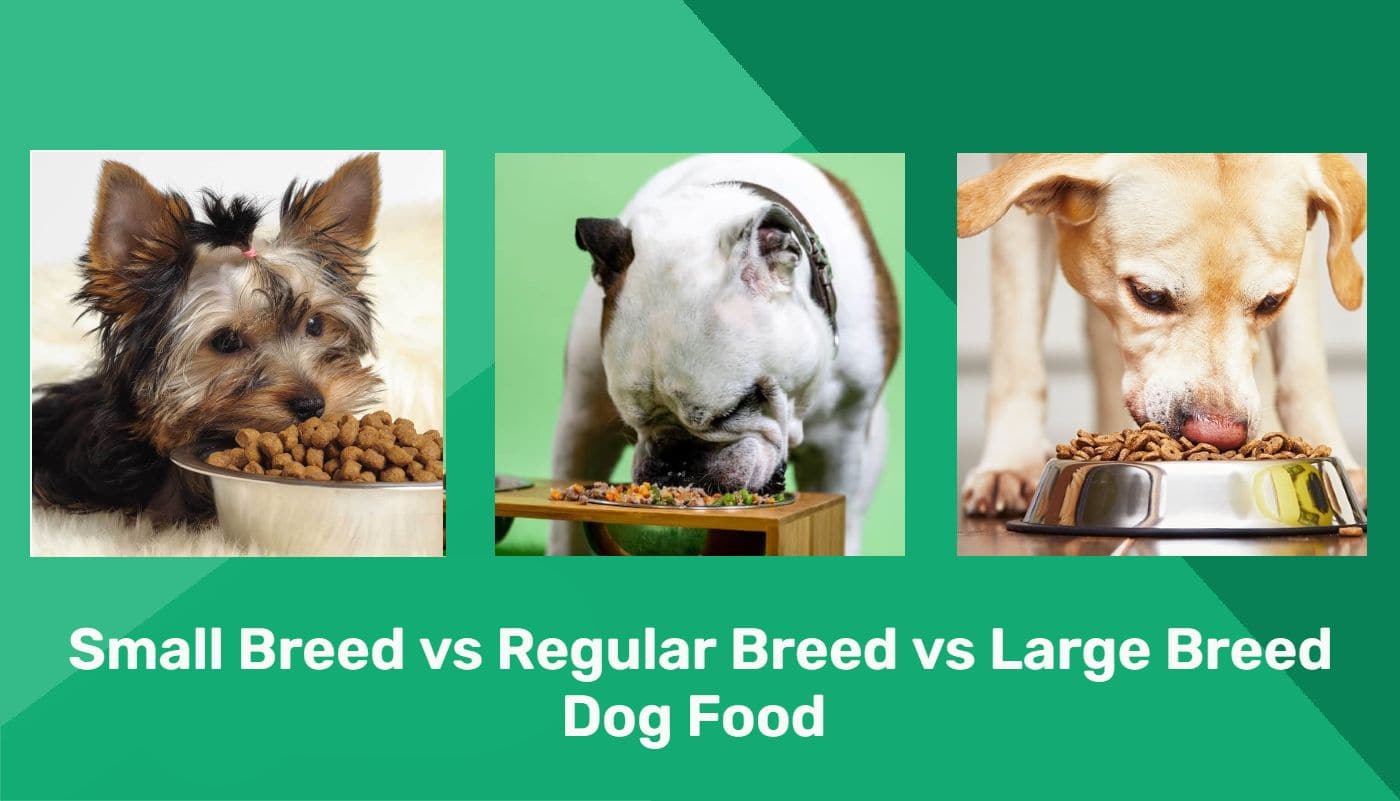
As a proud pup parent, you want nothing but the best for your furry family member. One of the most important decisions you‘ll make is what to feed them. Walk into any pet store and you‘ll find a dizzying array of options – puppy formulas, senior blends, grain-free, raw, the list goes on. But one of the key factors to consider is your dog‘s size. Small, medium, and large breed dogs all have different nutritional needs. In this ultimate guide, we‘ll break down those differences and help you pick the perfect chow for your pooch.
Decoding Dog Food Labels
Before we dive into the specifics of breed size, let‘s talk about how to read a dog food label. The most important thing to look for is an AAFCO (Association of American Feed Control Officials) statement of nutritional adequacy. This means the food has been formulated to meet the minimum nutritional requirements for a dog‘s life stage – puppy, adult, or senior.
Next, check the ingredient list. Ingredients are listed in descending order by weight, so the first few items make up the bulk of the food. Look for named meat sources like "chicken" or "beef", rather than vague terms like "poultry" or "meat". Whole fruits and veggies are also a plus. Avoid artificial colors, flavors, and preservatives when possible.
Small But Mighty: Feeding Petite Pups
Small breed dogs may be tiny, but they have some big nutritional needs. Due to their fast metabolisms, they require more calories per pound than larger dogs. In fact, small breeds may need up to 40 calories per pound per day, compared to just 20-30 for larger pups[^1^].
To pack in those calories without overloading small stomachs, small breed formulas are more energy-dense. They typically contain higher levels of protein and fat, with a minimum of 25% protein and 15% fat[^2^]. This concentrated nutrition powers your pint-sized pal through busy days of play.
Kibble size also matters for our diminutive dogs. Smaller, bite-sized pieces are easier for them to chew and digest. The crunchy texture also helps keep tiny teeth clean. Dental disease is a common issue for small breeds, so a food that promotes dental health is a must[^3^].
One potential problem for wee ones is hypoglycemia, or low blood sugar. Toy breeds under 5 pounds are especially at risk. Symptoms include weakness, tremors, and seizures – scary stuff! Prevent plummets in blood glucose by dividing their daily portion into 3-4 small meals, rather than one or two big ones[^4^].
Though they may need more calories than big dogs, small pups are still prone to pudge. In one study, over 50% of small breed dogs were classified as overweight[^5^]! Stick to the feeding guide on the bag and don‘t go overboard on treats. Regular weigh-ins with your vet can help your dog maintain a healthy body condition.
Not Too Big, Not Too Small: Medium Breed Nutrition
Medium dogs in the 20-50 pound range have more wiggle room when it comes to food choices. They can often thrive on standard "maintenance" formulas. The nutrient profiles in these foods are not as extreme as those for small or large breeds. The kibble is a moderate size, making it a manageable mouthful for most mid-size mutts.
When feeding an average adult dog, the main factors to consider are their age, activity level, and body condition. The feeding guidelines on dog food labels are a good starting point. In general, a healthy 40-pound dog may need around 1000 calories per day[^6^]. Of course, every dog is an individual. A couch potato Corgi will have different needs than an agility athlete Aussie! Fine-tune your feeding plan with your vet‘s guidance.
If your dog falls into the "small side of medium" or "large side of medium" category, you may opt for a size-specific formula. Smaller medium breeds like French Bulldogs may do best on small kibble, while larger medium dogs like Boxers may prefer big pieces. Consider your individual dog‘s needs when picking a food.
Just like small and large dogs, medium pups can struggle with obesity. Free feeding, or leaving food out all day, can make it tricky to track their intake. Stick to scheduled meals and monitor their body condition to keep calories under control.
Large and In Charge: Big Dog Diets
Large dogs over 50 pounds take more time to reach mature size than their more compact counterparts. Breeds like Great Danes and Mastiffs may not finish growing until 18-24 months old! During this prolonged growth phase, they need a food that supports slow, steady development.
Excess calories and calcium can cause large breed pups to grow too quickly, leading to skeletal issues like hip and elbow dysplasia. Large breed puppy foods have carefully balanced calcium and energy levels to avoid this rapid growth[^7^]. They‘re also less calorie-dense than small and medium foods to help big dogs stay lean.
Even once they reach adulthood, large breed dogs are prone to joint problems and osteoarthritis. Many large breed formulas contain added glucosamine and chondroitin to support joint health. Keeping your big buddy at a healthy weight is also crucial for minimizing joint stress. Aim to keep them on the lean side of normal to reduce strain on bones and soft tissues.
Another concern for colossal canines is bloat, a potentially fatal twisting of the stomach. Large, deep-chested breeds like Weimaraners and Great Danes are most at risk. Feeding two or more meals per day and avoiding exercise right after eating can help prevent this scary condition[^8^].
Large kibble size is also important for our biggest buddies. Bigger pieces encourage these dogs to chew their food rather than gulping it down whole. This slower eating pace can reduce bloat risks. Some large breed formulas also contain additives to improve stool consistency and reduce gas production, both of which are risk factors for bloat[^9^].
Choosing a Quality Food
Regardless of your dog‘s size, selecting a high-quality food is key. But with so many options, how do you separate the wheat from the chaff? Start by looking for a food that meets AAFCO standards for your dog‘s life stage. Puppy foods should have a minimum of 22% protein and 8% fat, while adult foods need at least 18% protein and 5% fat[^10^].
Next, scan the ingredient list for whole, named foods like chicken, rice, and sweet potato. Avoid formulas loaded with fillers like corn, wheat, and soy. While these ingredients provide calories, they don‘t pack the same nutritional punch as animal proteins and complex carbs.
If you‘re feeling overwhelmed by options, ask your veterinarian for recommendations. They know your dog‘s unique needs and can suggest diets to support their health. Many vets also carry therapeutic diets for dogs with specific medical issues like allergies or kidney disease.
Cost Considerations
Of course, we all want to give our dogs the very best. But premium dog foods can come with a hefty price tag. Is it worth shelling out the extra cash?
In general, yes. Cheap, low-quality foods may save you money up front, but they can contribute to health issues down the road. Feeding a nutritionally balanced food can save on vet bills in the long run. That said, the most expensive food on the shelf isn‘t necessarily the best. Compare labels and ingredient lists to find a quality food that fits your budget.
Keep in mind that smaller dogs may actually cost less to feed than big ones, even if their food is pricier per pound. Small breeds simply eat less due to their bitty bellies. A 10-pound pup may only need 1/2 cup of food per day, while a 100-pound pooch may pack away 4 cups or more!
Conclusion
No matter your dog‘s stature, they deserve a food that meets their unique needs. Small breed dogs thrive on calorie-dense, bite-sized kibble to fuel their zippy metabolisms. Medium pups have more flexibility, but may still benefit from a size-specific food. Large breed dogs need a carefully balanced diet to support slow growth and joint health.
When picking a food, prioritize quality ingredients, AAFCO nutritional adequacy, and veterinary recommendations. Don‘t be afraid to ask for help – your vet is a valuable resource in navigating the world of canine cuisine.
With a little research and a lot of love, you can find the perfect fit for your furry friend. Because when your pup is happy and healthy, life is just more fun. And isn‘t that what being a dog lover is all about?
Resources for Further Reading
- AAFCO‘s Guide to Dog Food Labels
- FDA‘s Tips for Choosing a Pet Food
- American Kennel Club‘s Dog Nutrition Advice
- World Small Animal Veterinary Association‘s Nutritional Guidelines
[^2^]: Association of American Feed Control Officials, 2019 Official Publication.
[^3^]: Veterinary Oral Health Council, "Accepted Products for Dogs".
[^4^]: Merck Veterinary Manual, "Nutrition: Small Dogs".
[^5^]: Lund, Elizabeth M., et al. "Prevalence and risk factors for obesity in adult dogs from private US veterinary practices." International Journal of Applied Research in Veterinary Medicine 4.2 (2006): 177.
[^6^]: National Research Council, "Nutrient Requirements of Dogs and Cats", 2006.
[^7^]: Lauten SD. Nutritional risks to large-breed dogs: from weaning to the geriatric years. Vet Clin North Am Small Anim Pract. 2006.
[^8^]: Glickman, Lawrence T., et al. "Incidence of and breed-related risk factors for gastric dilatation-volvulus in dogs." Journal of the American Veterinary Medical Association 216.1 (2000): 40-45.
[^9^]: Raghavan, Malathi, et al. "Diet-related risk factors for gastric dilatation-volvulus in dogs of high-risk breeds." Journal of the American Animal Hospital Association 40.3 (2004): 192-203.
[^10^]: AAFCO Dog Food Nutrient Profiles, 2019.