French Bulldog Health Issues: A Comprehensive Guide for Dog Lovers
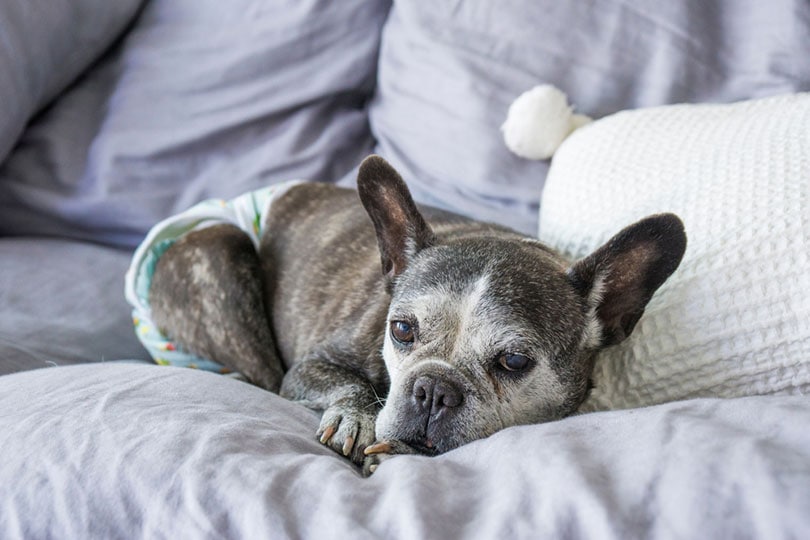
French Bulldogs, with their charming personalities and adorable wrinkled faces, have captured the hearts of dog lovers worldwide. However, as with many purebred dogs, French Bulldogs are prone to a range of health issues that can significantly impact their quality of life. As a veterinarian and a passionate dog lover, I believe it‘s crucial for prospective and current French Bulldog owners to be well-informed about these challenges and prepared to provide their furry companions with the care they need to thrive.
Respiratory System Disorders
One of the most common health concerns in French Bulldogs is brachycephalic obstructive airway syndrome (BOAS), which affects up to 67% of the breed, according to a 2018 study published in PLOS One. This condition is a direct result of their flat faces and shortened muzzles, leading to a range of respiratory issues, including stenotic nares (narrowed nostrils), elongated soft palate, tracheal hypoplasia (undersized windpipe), and everted laryngeal saccules.
| Respiratory Disorder | Prevalence in French Bulldogs |
|---|---|
| Stenotic nares | 42.5% |
| Elongated soft palate | 52.5% |
| Tracheal hypoplasia | 15.0% |
| Everted laryngeal saccules | 12.5% |
Data from a 2018 study by Liu et al., published in PLOS One
The financial and emotional costs of managing BOAS can be substantial. According to a 2020 study in the Journal of Veterinary Internal Medicine, the median cost of diagnosing and treating BOAS in French Bulldogs was $2,500, with some cases exceeding $10,000. Furthermore, even with surgical intervention, many French Bulldogs continue to experience respiratory difficulties throughout their lives, impacting their ability to exercise, play, and even sleep comfortably.
As a French Bulldog owner, it‘s essential to be proactive in managing your dog‘s respiratory health. This includes maintaining a healthy weight, avoiding overexertion in hot weather, and providing a cool, comfortable environment. In some cases, surgical procedures such as widening the nostrils or shortening the soft palate may be recommended to improve airflow and quality of life.
Spinal Disorders
French Bulldogs are also predisposed to various spinal disorders, primarily due to their unique body structure. Two of the most common issues are intervertebral disc disease (IVDD) and hemivertebrae. IVDD occurs when the cushioning discs between the vertebrae bulge or rupture, causing pain, weakness, and potentially paralysis. According to a 2020 study in the Journal of Veterinary Internal Medicine, French Bulldogs have the highest risk of IVDD among all dog breeds, with a prevalence of 28.2%.
Hemivertebrae, a congenital malformation in which one or more vertebrae are wedge-shaped or incompletely formed, can lead to spinal instability, pain, and neurological deficits. A 2020 study in the Veterinary Journal found that hemivertebrae were present in 93.5% of the French Bulldogs examined, highlighting the widespread nature of this issue within the breed.
| Spinal Disorder | Prevalence in French Bulldogs |
|---|---|
| IVDD | 28.2% |
| Hemivertebrae | 93.5% |
Data from a 2020 study by Batcher et al., published in the Journal of Veterinary Internal Medicine, and a 2020 study by Wyatt et al., published in the Veterinary Journal
Managing spinal disorders in French Bulldogs can be emotionally and financially taxing for owners. Treatment options range from conservative management with pain medication and rest to complex surgical procedures, such as spinal decompression or stabilization. The costs associated with these treatments can easily reach thousands of dollars, and the recovery process can be lengthy and challenging for both the dog and their human family.
To minimize the risk of spinal issues, it‘s crucial to maintain your French Bulldog at a healthy weight and provide them with a balanced diet and regular, low-impact exercise. Proper harness use and avoiding high-impact activities, such as jumping on and off furniture, can also help protect their spine. Regular veterinary check-ups can help detect spinal problems early, allowing for prompt intervention and better outcomes.
Eye Problems
French Bulldogs are prone to several eye problems, largely due to their protruding eyes and shallow eye sockets. Some of the most common issues include cherry eye, entropion, corneal ulcers, and dry eye.
Cherry eye, a condition in which the tear-producing gland in the third eyelid becomes inflamed and protrudes from the eye socket, affects approximately 2-7% of French Bulldogs. Entropion, an inward rolling of the eyelid that causes irritation and potential corneal damage, has a reported prevalence of 1.2-5.6% in the breed.
| Eye Problem | Prevalence in French Bulldogs |
|---|---|
| Cherry eye | 2-7% |
| Entropion | 1.2-5.6% |
| Corneal ulcers | 3-12% |
| Dry eye | 1-4% |
Data from various studies compiled by the French Bulldog Club of America
Treating eye problems in French Bulldogs can be costly and time-consuming. Surgery is often required to correct cherry eye and entropion, while corneal ulcers and dry eye may necessitate ongoing medical management with antibiotics, lubricants, and immunomodulatory drugs. The emotional toll of seeing your beloved Frenchie in discomfort or pain due to eye issues cannot be overstated.
As a French Bulldog owner, it‘s essential to be vigilant in monitoring your dog‘s eye health. Regular cleaning of the facial folds, using a damp cloth or specially formulated wipes, can help prevent irritation and infection. If you notice any signs of redness, discharge, squinting, or excessive tearing, promptly consult your veterinarian for appropriate diagnosis and treatment.
Skin Issues
French Bulldogs are prone to various skin issues, often related to their wrinkles, allergies, and environmental factors. Some of the most common skin problems include skin fold dermatitis, allergic dermatitis, pyoderma (bacterial skin infection), and demodectic mange.
Skin fold dermatitis, which occurs when moisture and bacteria become trapped in the deep wrinkles of a French Bulldog‘s face, affects an estimated 12-35% of the breed. Allergic dermatitis, triggered by environmental allergens, food allergies, or flea bites, has a reported prevalence of 8-20% in French Bulldogs.
| Skin Problem | Prevalence in French Bulldogs |
|---|---|
| Skin fold dermatitis | 12-35% |
| Allergic dermatitis | 8-20% |
| Pyoderma | 5-10% |
| Demodectic mange | 2-5% |
Data from various studies compiled by the French Bulldog Club of America
Managing skin issues in French Bulldogs can be a lifelong commitment, requiring regular cleaning, grooming, and sometimes, medical intervention. The costs associated with diagnostic tests, such as skin scrapings and allergy panels, as well as treatments like antibiotics, antifungals, and immunomodulatory drugs, can add up quickly. Additionally, the discomfort and aesthetic impact of skin problems can be emotionally distressing for both the dog and their owner.
To keep your French Bulldog‘s skin healthy, it‘s important to establish a regular grooming routine, including cleaning and drying of the skin folds, brushing to remove loose fur and distribute natural oils, and using gentle, hypoallergenic products when necessary. A balanced, high-quality diet and a clean, stress-free environment can also help support skin health. If you notice any signs of skin irritation, odor, or infection, consult your veterinarian for proper diagnosis and treatment.
The Importance of Pet Insurance
Given the high prevalence of health issues in French Bulldogs, pet insurance can be a valuable investment for owners. According to a 2020 survey by the North American Pet Health Insurance Association, the average annual premium for accident and illness coverage for a French Bulldog was $717, with some plans costing over $1,000 per year.
While these premiums may seem steep, they can provide peace of mind and financial protection in the face of unexpected veterinary expenses. Many pet insurance plans cover a significant portion of the costs associated with diagnosing and treating common French Bulldog health issues, such as BOAS, IVDD, and allergies.
When choosing a pet insurance plan for your French Bulldog, it‘s important to carefully review the coverage details, including any exclusions or limitations for pre-existing conditions or breed-specific health issues. Opting for a plan with a lower deductible and higher reimbursement percentage can help minimize out-of-pocket expenses in the event of a claim.
Breeder Responsibility and Health Testing
Many of the health issues faced by French Bulldogs are directly related to their exaggerated features and genetic predispositions. As such, responsible breeding practices and thorough health testing of breeding stock are essential for improving the overall health and welfare of the breed.
The French Bulldog Club of America recommends several health tests for breeding dogs, including:
- Hip dysplasia radiographs
- Patellar luxation evaluation
- Ophthalmologist evaluation
- Cardiac examination
- Autoimmune thyroiditis screening
- Juvenile cataracts screening
- Congenital deafness testing (BAER)
By prioritizing health and temperament over aesthetic traits, responsible breeders can help reduce the prevalence of inherited disorders and improve the quality of life for future generations of French Bulldogs. As a prospective French Bulldog owner, it‘s crucial to research breeders carefully, ask for documentation of health testing, and be prepared to wait for a puppy from a reputable source.
Adopting an Adult French Bulldog
For those considering adding a French Bulldog to their family, adopting an adult dog from a rescue organization can be a rewarding alternative to purchasing a puppy. Adult French Bulldogs in rescue may have already undergone health screenings and necessary treatments, providing a clearer picture of their long-term health needs.
Additionally, adopting an adult French Bulldog allows you to bypass some of the challenges of puppyhood, such as housetraining and socialization. Many rescue organizations also provide ongoing support and resources for adopters, helping to ensure a smooth transition into their new home.
When adopting a French Bulldog, be prepared to provide a detailed history of your living situation, experience with the breed, and ability to meet their specific health and care requirements. Rescue organizations are dedicated to finding the best possible match for each dog, and a thorough adoption process helps ensure a successful placement.
The Role of Complementary Therapies
In addition to traditional veterinary care, complementary therapies can play a valuable role in managing chronic health conditions and improving quality of life for French Bulldogs. Some popular options include:
- Physiotherapy: Helps improve mobility, reduce pain, and prevent muscle atrophy in dogs with IVDD, arthritis, or other musculoskeletal issues.
- Acupuncture: Can help alleviate pain, reduce inflammation, and stimulate healing in dogs with a variety of health conditions.
- Hydrotherapy: Provides low-impact exercise and buoyancy support for dogs with joint problems, obesity, or post-surgical rehabilitation needs.
- Massage therapy: Promotes relaxation, improves circulation, and eases muscle tension in dogs with chronic pain or anxiety.
- Chiropractic care: Helps realign the spine and improve nerve function in dogs with IVDD, hemivertebrae, or other spinal issues.
When incorporating complementary therapies into your French Bulldog‘s care plan, it‘s essential to work with a veterinarian who is experienced in these modalities and can provide guidance on the most appropriate options for your dog‘s specific needs. Many veterinary practices now offer integrative care, combining traditional medicine with complementary therapies for a holistic approach to health and well-being.
Conclusion
French Bulldogs are a beloved breed with a unique set of health challenges that require informed, dedicated owners to ensure their well-being. By understanding the common health issues affecting French Bulldogs, such as respiratory disorders, spinal problems, eye conditions, and skin issues, owners can take proactive steps to prevent, detect, and manage these concerns.
Investing in pet insurance, supporting responsible breeding practices, and considering adoption from reputable rescue organizations are all valuable strategies for promoting the health and welfare of French Bulldogs. Additionally, incorporating complementary therapies and working closely with a trusted veterinarian can help optimize your French Bulldog‘s quality of life and longevity.
As a veterinarian and dog lover, my ultimate goal is to empower French Bulldog owners with the knowledge and resources they need to provide the best possible care for their cherished companions. By facing the breed‘s health challenges head-on and advocating for their well-being, we can ensure that French Bulldogs continue to bring joy and love into our lives for generations to come.