Giant Schnauzer vs. Doberman Pinscher: A Dog Lover‘s Breed Comparison
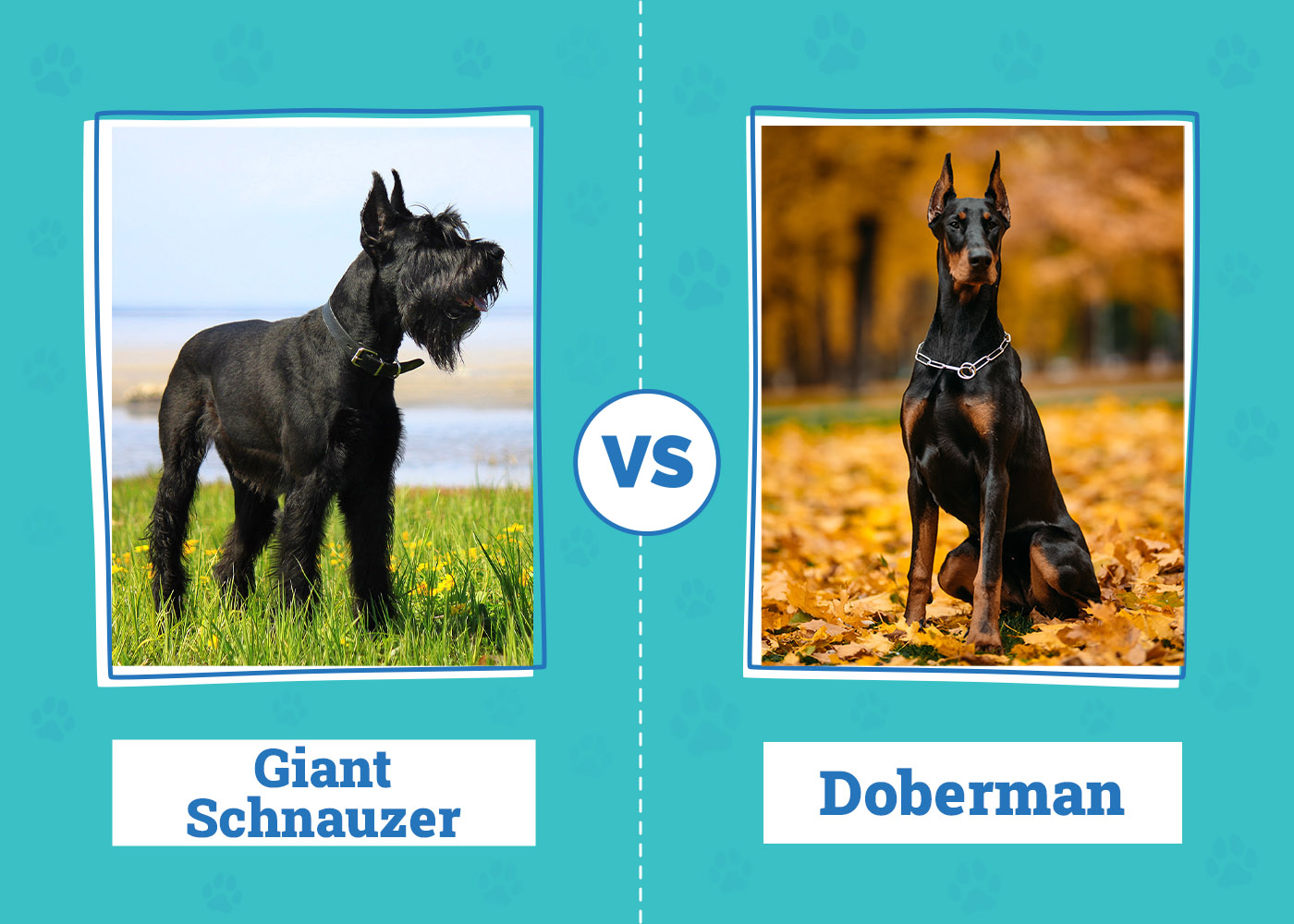
Giant Schnauzers and Doberman Pinschers are both magnificent working breeds admired for their power, intelligence, and loyalty. As a veterinarian and lifelong dog lover, I‘m fascinated by their similarities and captivated by their differences. If you‘re considering welcoming one of these majestic breeds into your life, join me for an in-depth look at the Giant Schnauzer and the Doberman. We‘ll explore their histories, traits, and care needs to help you determine which one might be your ideal canine partner.
The Glorious Giant Schnauzer
From Bavarian Farmland to Modern Metropolis
The Giant Schnauzer‘s story begins in the Bavarian Alps of 17th century Germany. These rugged working dogs were developed by enlarging the Standard Schnauzer, likely through crosses with the Great Dane and rough-coated herding breeds. Their job was to guard livestock and farms, but they soon proved their versatility.
As railroads replaced cattle drives, Giant Schnauzers found new roles as police and military K-9s, excelling in both World Wars. They served bravely as messengers, sentries, and patrol dogs. Today, they work as therapy dogs, search-and-rescue aides, and loyal family guardians.
Majestic Muscle and Bearded Charm
A male Giant Schnauzer stands 25.5-27.5 inches and weighs 60-85 pounds, while females are 23.5-25.5 inches and 55-75 pounds. Their sturdy, square frame exudes strength and agility. The hallmark beard and eyebrows, along with the dense, wiry coat in solid black or "pepper and salt," gives them a look of keen alertness.
Potential owners should note that hand-stripping the coat several times a year is required to maintain the correct harsh texture. Pet Giants can be clipped but will lose the signature wirehaired look. Weekly brushing and beard-washing prevents matting.
The Serious Sweetheart
The Giant Schnauzer motto could be "work hard, play hard." They are territorial watchdogs with true bravery and an inborn suspicion of strangers, yet deeply loving with their people. As the AKC describes, they have "the lively nature of a terrier and a calm, collected spirit."
That spirited nature needs an outlet – Giants are not couch potatoes! They require active owners willing to provide plenty of exercise and training. With mental stimulation and guidance, they can be gentle, patient family dogs. That said, the Giant is typically happiest being the only pet, and may play too roughly for young children.
Health and Longevity
Giant Schnauzers have a lifespan of 12-15 years, impressive for a large breed. However, like any purebred dog, they are prone to certain health conditions. These include hip dysplasia, hypothyroidism, and eye diseases like progressive retinal atrophy.
Responsible breeders screen their stock for these issues and share results openly. According to the Giant Schnauzer Club of America, over 80% of Giants earn good or excellent hip scores. Still, large-breed joint care with glucosamine and monitoring weight remains essential. Working with your vet to choose a high-quality diet and preventive care plan gives your Giant the best odds for a long and comfortable life.
The Giant Schnauzer at a Glance:
| Trait | Facts |
|–|–|
| Height | Male: 25.5-27.5" / Female: 23.5-25.5" |
| Weight | Male: 60-85 lbs / Female: 55-75 lbs |
| Coat | Dense, wiry double coat in solid black or "pepper and salt", sheds little |
| Grooming | Brushing 1-3X/week, clipping or hand-stripping every 4-6 months, beard/brow washing as needed |
| Exercise | 60+ minutes per day of vigorous activity (hiking, jogging, training) |
| Training | Requires firm, consistent training and early socialization |
| Lifespan | 12-15 years |
| Health | Generally healthy, screen for hip/elbow dysplasia, eye disorders, and endocrine diseases |
The Giant Schnauzer is a proud, powerful companion who will keep you on your toes. If you relish an active lifestyle and appreciate a strong-willed dog with endless heart, this could be your canine soulmate.
The Dashing Doberman Pinscher
From Tax Collector‘s Companion to Valiant Veteran
The Doberman Pinscher, often called simply the Doberman, began in 1890s Germany. Tax collector Louis Dobermann wanted a fearless guard dog to accompany him on his rounds, and it‘s believed he crossed several breeds, including the Beauceron, German Pinscher, Weimaraner, and German Shepherd to create the ultimate personal protection dog.
Dobermans swiftly gained fame for their fierce loyalty and keen intelligence. In World War II, the U.S. Marine Corps enlisted them as war dogs. The Doberman Pinscher Club of America estimates Dobermans comprised over 75% of the total K-9 force in the Pacific, serving as scouts and sentries. A memorial on the island of Guam honors the 25 Marine Dobermans who died liberating the island.
Elegant Athlete
Dobermans are medium-large, muscular dogs with a streamlined, athletic build. Males stand 26-28 inches and weigh 75-100 pounds, and females are 24-26 inches weighing 60-90 pounds. The short, smooth coat is black, red, blue, or fawn with rust markings.
Although Dobermans are born with floppy ears and long tails, ear cropping and tail docking have been traditions in the breed. However, these cosmetic surgeries are increasingly controversial and banned in many countries. Natural Dobermans are gaining acceptance and remain stunning.
Grooming is a breeze with Dobermans – their coat requires only occasional baths and weekly rubdowns with a damp cloth. However, they do shed and aren‘t hypoallergenic. Regular nail trims and ear cleanings are also essential.
Velcro Dog and Valiant Defender
Dobermans bond intensely with their humans and can be true "velcro dogs." They want to be involved in every aspect of family life. While they may seem aloof with outsiders, Dobermans are actually sensitive souls who crave affection and companionship.
As watchdogs, they are fearless and will spring into action if they sense a threat to their loved ones. But a well-bred Doberman should be discriminating, not aggressive without cause. Early socialization, firm training, and plenty of positive reinforcement are musts to develop a stable, clear-headed temperament.
Dobermans adore children but may be too rambunctious for little ones. They enjoy being the only dog and can same-sex aggressive. Careful introductions and management are required in multi-pet homes. With the right handling, Dobies can be trusted family companions.
Health Considerations
The lifespan of a Doberman averages 10-12 years. The main health concern is dilated cardiomyopathy (DCM), a heart disease that can cause sudden death. A recent study found over 50% of Dobermans may be affected by age 7-8. Careful heart screening is essential before breeding.
Other potential issues include hip dysplasia, von Willebrand‘s disease (a bleeding disorder), hypothyroidism, and cervical vertebral instability (Wobbler‘s syndrome). Responsible breeders test for these conditions. Gastric dilatation-volvulus (bloat) is another risk – feeding smaller meals and avoiding exercise after eating can help.
With attentive care and regular vet visits, many Dobermans stay active well into their golden years. Owners must watch for signs of aging like vision and hearing loss, arthritis, and cognitive decline. Fortunately, senior dog wellness plans and diets help our beloved companions age gracefully.
The Debonair Doberman at a Glance:
| Trait | Facts |
|–|–|
| Height | Male: 26-28" / Female: 24-26" |
| Weight | Male: 75-100 lbs / Female: 60-90 lbs |
| Coat | Short, smooth, close-lying in black, red, blue, or fawn with rust markings |
| Grooming | Brush weekly, bathe occasionally, keep nails/ears clean |
| Exercise | 60+ minutes per day of varied activities (running, fetch, agility, etc.) |
| Training | Needs lifelong mental stimulation and obedience work, can excel in dog sports |
| Lifespan | 10-12 years |
| Health | Main concerns: dilated cardiomyopathy (DCM), hip dysplasia, bloat, monitor heart/joints |
For an experienced dog person seeking a loyal, lively companion with a flair for performance sports, the Doberman is a superb choice. These brilliant dogs will keep you laughing, thinking, and marveling at their many talents.
Making Your Choice
The Giant Schnauzer and Doberman share key traits like courage, intelligence, and devotion to family. However, the Giant tends to be a bit more independent and serious, while the Doberman is the definition of a "people dog." Both are athletic and driven working dogs, but the Giant‘s exuberance may be better suited to a home with older children and no other pets.
Grooming is more time-consuming with the Giant Schnauzer, especially if you want to maintain the correct coat texture through hand-stripping. The Doberman‘s sleek coat is as low-maintenance as it gets for a shedding breed. However, some owners may struggle to find housing or insurance that accepts Dobermans due to breed restrictions.
Ultimately, your lifestyle and training abilities will determine which breed is the best fit. If you want a rugged farmhand and intrepid explorer, the Giant Schnauzer is your guy. For those desiring an elegant athlete and constant companion, the Doberman is hard to beat.
Whichever breed you choose, be prepared to provide plenty of exercise, training, and love. Adopting from a rescue or choosing a responsible preservation breeder committed to health testing will stack the odds in your favor for a sound, stable dog. With the right upbringing and guidance, both Giant Schnauzers and Dobermans can be the dog of a lifetime – trustworthy protectors, tireless playmates, and cherished family members.