Havamalt Dog Breed Guide: A Loving Lap Dog
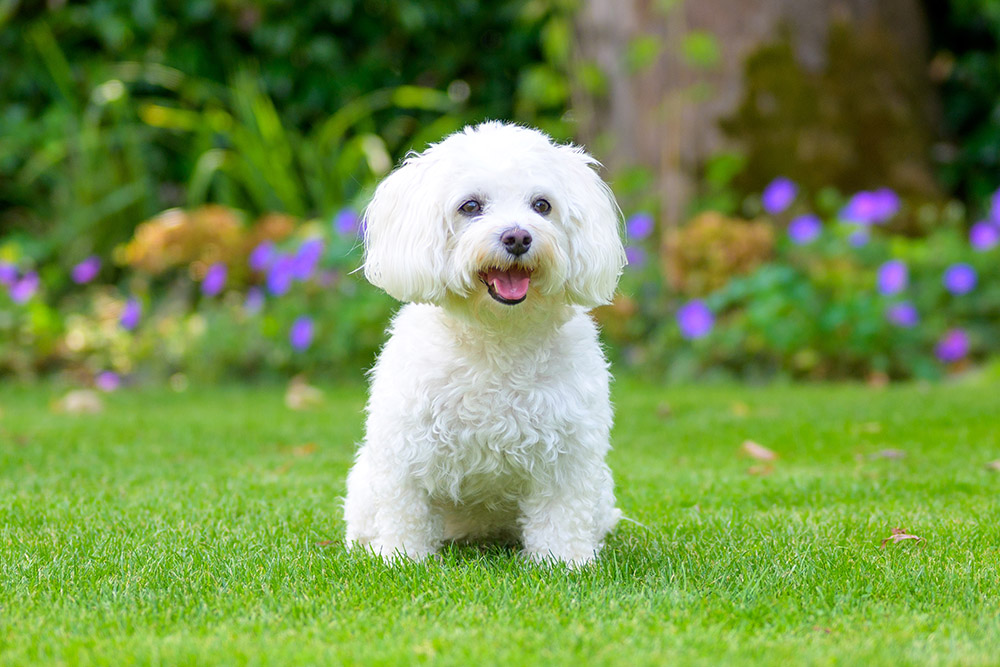
The Havamalt is an adorable cross between the Havanese and Maltese toy breeds. This affectionate little lap dog has become increasingly popular since emerging as a "designer dog" in recent years. While each individual Havamalt can vary, they typically inherit a charming mix of traits from both parent breeds.
If you‘re looking for a small, intelligent canine companion, the Havamalt may be your perfect match. But before bringing one home, it‘s important to understand their specific characteristics and needs. Our in-depth guide covers everything you need to know about the captivating Havamalt dog.
Havamalt Physical Characteristics
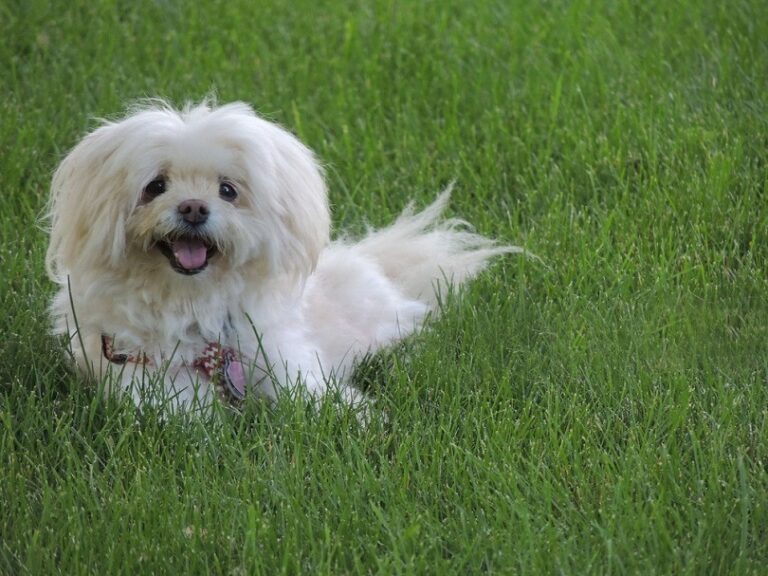
Since the Havamalt is a relatively new mixed breed, there is no definitive breed standard for their appearance. In general, you can expect Havamalts to be small in stature like their parent breeds, typically weighing under 15 pounds and standing 8-12 inches tall at the shoulder. Their body is compact yet sturdy with a slightly rounded head and floppy ears.
A Havamalt‘s crowning glory is their gorgeous coat. They usually inherit a medium to long coat that is soft, silky and slightly wavy. Many have a full, fluffy tail that curls jauntily over their back. Coat colors can include white, cream, gold, sable and combinations of these shades. Some may have darker points on the ears and face.
While undeniably cute, a Havamalt‘s luxurious coat does require regular grooming to prevent mats and tangles. Expect to brush them at least 2-3 times a week and schedule trims every couple months. The good news is, Havamalts shed minimally compared to many other breeds. They can be a good choice for allergy sufferers, although no dog is completely hypoallergenic.
Havamalt Temperament and Personality
Prepare to be charmed by the Havamalt‘s lively, loving personality. They tend to be affectionate, playful and deeply devoted to their owners. Havamalts crave being the center of attention and will happily spend hours snuggling in your lap. Their gentle, easygoing nature also makes them wonderful therapy dogs.
At the same time, Havamalts are known for being quite alert and inquisitive. They may bark to announce visitors or investigate interesting sights and sounds. Early socialization and training can help them develop good small dog manners. With their eagerness to please and quick intelligence, Havamalts are usually a joy to train using positive, reward-based methods.
While not as high-energy as some small breeds, Havamalts do have a playful streak and love games like fetch and hide-and-seek. A couple brisk 15-30 minute walks plus some active playtime each day will keep them fit and content. Puzzle toys are perfect for keeping their bright mind occupied.
With their portable size and cheerful adaptability, Havamalts make excellent city dogs and travel companions. They are best suited for homes where someone is around for most of the day, as they thrive on human companionship. Havamalts can experience separation anxiety if left alone too long.
Havamalt Health and Care
With good care, Havamalts generally have a lifespan of 12-15 years. As with any breed, there are some hereditary health issues to be aware of. Responsible Havamalt breeders screen for conditions like luxating patellas, heart problems, eye diseases and liver shunts that can occasionally affect Maltese and Havanese.
To keep your Havamalt happy and healthy, feed a high-quality small breed dog food and limit treats to prevent obesity. Regularly brush their teeth, clean their ears and trim their nails. Keep up with vet checkups and vaccinations. Havamalts can be sensitive to heat and cold due to their small size, so monitor them in extreme weather.
Many toy breed dogs are prone to dental problems. Establish a teeth brushing routine for your Havamalt early on and provide vet-approved dental chews. It‘s also smart to use a harness instead of a collar to avoid pressure on their delicate trachea and neck.
Is a Havamalt Right For You?
The Havamalt can be an incredible companion for the right person or family. Their portable size, affectionate nature and moderate exercise needs are a great fit for many households, including apartments. They typically get along well with calm children and other dogs and cats, especially if socialized early.
Potential downsides to consider are the Havamalt‘s requirement for frequent human interaction and grooming. If you work long hours or travel often, a Havamalt may not be the ideal choice unless you can bring them along or arrange for trusted care. Those looking for a fully independent dog may prefer a less attachment-oriented breed.
If you‘ve fallen in love with the idea of a sweet, smart little Havamalt, take time to find a reputable breeder or rescue group. Seek out breeders who perform genetic health testing and raise puppies in enriching environments. Avoid pet stores and online ads that may come from unethical puppy mills.
With proper care and training, your Havamalt will blossom into a beloved best friend. These special dogs offer a huge amount of love and joy in a tiny, irresistible package. The hardest part may be resisting the urge to get a second Havamalt once you‘ve experienced their delightful companionship!