Harnessing the Power of AI and Mobile Data to Fight Global Poverty
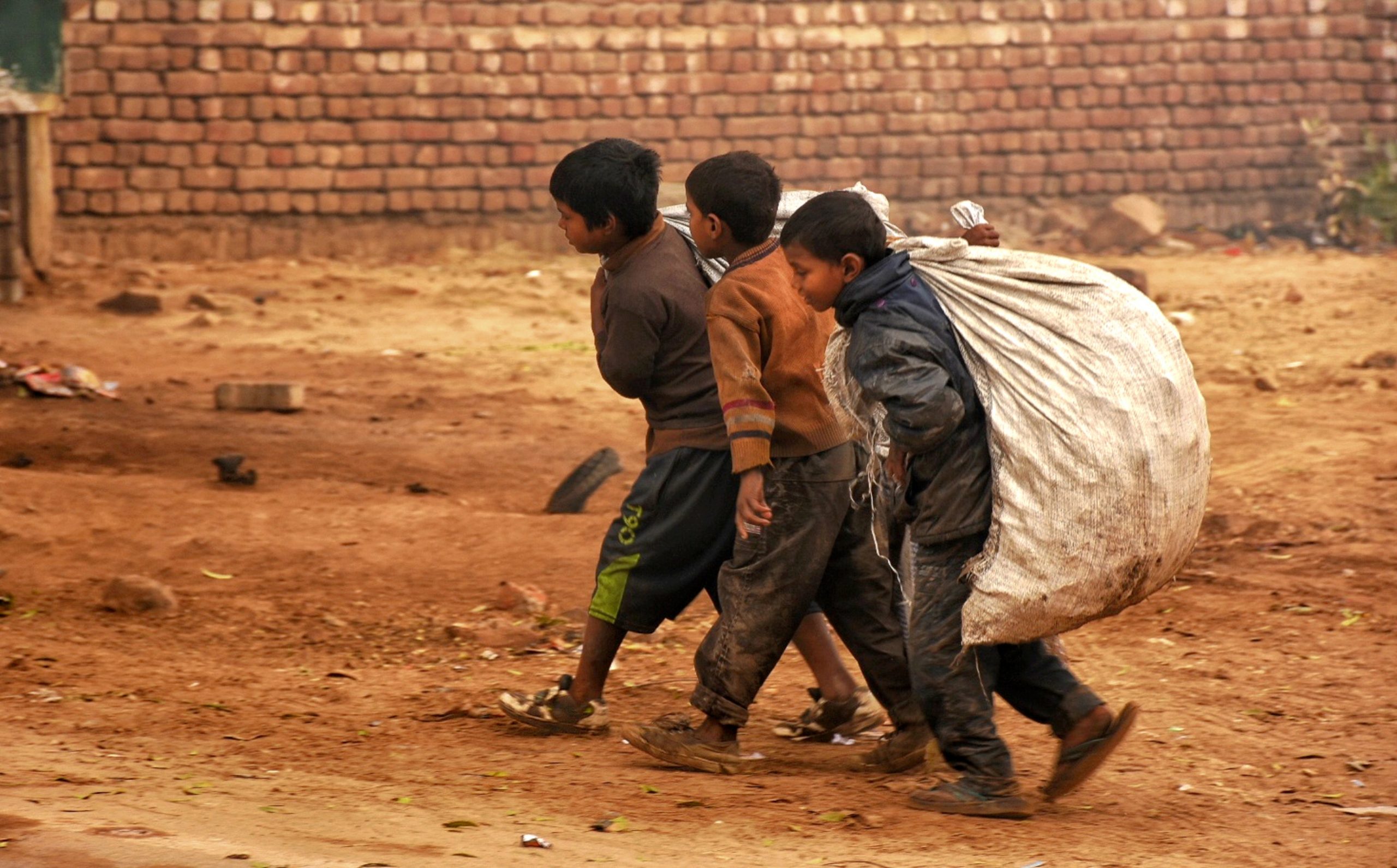
In the fight against global poverty, a powerful new weapon is emerging: artificial intelligence (AI) fueled by the vast trove of data generated by ubiquitous mobile devices. By analyzing patterns in the way people use their phones, machine learning algorithms can paint a remarkably detailed picture of the socioeconomic conditions of individuals, households, and entire communities. This opens up exciting possibilities for more targeted and effective interventions to identify and assist the world‘s poorest people.
The challenge is immense. According to the World Bank, nearly 700 million people worldwide still live in extreme poverty, subsisting on less than $2.15 per day. The COVID-19 pandemic has only exacerbated the situation, pushing as many as 150 million more people into poverty. Traditional methods of measuring poverty, such as household surveys, are often infrequent, expensive, and suffer from data gaps and inaccuracies.

Source: PovcalNet, World Bank
But in an increasingly connected world, the mobile phone has become a valuable proxy for assessing wealth and wellbeing. Globally, there are over 5 billion unique mobile subscribers, with rapidly increasing penetration in low- and middle-income countries. By 2025, GSMA predicts that 67% of Sub-Saharan Africa‘s population will have a mobile connection.
Every time someone makes a call, sends a text, or tops up their prepaid balance, it generates Call Detail Records (CDRs) that contain a wealth of information about that user‘s economic behavior and social network. A single CDR typically includes the phone numbers of the caller and recipient, the time and duration of the call, the ID of the cell tower that handled the call, and other metadata. When aggregated over time and across many users, these digital breadcrumbs can provide a dynamic, high-resolution picture of the living standards and vulnerabilities of entire populations.
Predicting Poverty from Digital Footprints
A growing body of research demonstrates the potential of using mobile phone data and machine learning to infer the socioeconomic status of individuals and identify pockets of poverty with a high degree of granularity.
For example, a landmark study published in Science used anonymized CDR data from 1.8 million subscribers in Bangladesh to estimate the wealth of each person based on behavioral indicators such as the frequency and diversity of their communications, their physical mobility, and the structure of their social network. By comparing their predictions to a traditional in-person survey of 1,200 households, the researchers found that their machine learning model could estimate wealth with 88% accuracy – and generate poverty maps with 1km spatial resolution, 100 times finer than conventional methods.
import pandas as pd
from sklearn.ensemble import RandomForestRegressor

# Load CDR features and wealth labels
features_df = pd.read_csv(‘cdr_features.csv‘)
labels_df = pd.read_csv(‘wealth_labels.csv‘)

# Train random forest model
rf = RandomForestRegressor(n_estimators=100)
rf.fit(features_df, labels_df)

# Predict wealth index for new users
new_features = ...
predicted_wealth = rf.predict(new_features)
Simplified code for predicting wealth from CDR features using a random forest model.
Another study funded by the World Bank used a similar approach to target an unconditional cash transfer program in Togo at the onset of the pandemic. By analyzing billions of CDRs from 5 million users, they were able to quickly identify and distribute $20 million in emergency aid to the poorest 100,000 citizens, leading to significant improvements in food security, education, and healthcare outcomes.
These are just a few examples of a growing trend of "poverty mapping" using non-traditional digital datasets. Researchers have also used satellite imagery to estimate economic wellbeing based on nighttime lights and housing quality, social media activity to predict food insecurity, and even the price of bread to monitor the cost of living in real-time.
"CDR data is not a panacea, but it can provide a valuable complement to traditional survey-based methods of poverty measurement," said Joshua Blumenstock, an assistant professor at the UC Berkeley School of Information who has pioneered much of this research. "By leveraging the power of machine learning and big data, we can generate more timely, granular, and actionable insights to inform poverty alleviation efforts."
Beyond CDR: A Wealth of Mobile Data for Poverty Prediction
Call records are not the only type of mobile data that can be used to infer socioeconomic status. Other behavioral indicators that have been shown to correlate with poverty include:
-
Airtime credit purchases: How frequently and in what amounts an individual tops up their prepaid mobile balance can provide clues about their income and consumption patterns. A recent study in Rwanda found that lower income individuals tend to make smaller, more frequent purchases.
-
Mobile money transactions: The volume, frequency, and directionality of mobile money transfers can reveal important information about a person‘s financial health and social capital. Research in Kenya has shown that people living in poverty tend to have fewer, smaller, and more local transactions.
-
App usage: The types of apps a person uses – and how often – can be a powerful signal of their demographics, interests, and behaviors. A study in the Philippines found that lower income individuals spend more time on Facebook, while higher income individuals are more likely to use LinkedIn and financial apps.
-
Handset information: The make, model, and age of a person‘s mobile device can be a proxy for their purchasing power and social status. In many developing countries, smartphones are still a luxury item that only the relatively affluent can afford.
By combining these multiple streams of mobile data, researchers and policymakers can gain an even richer and more nuanced understanding of poverty that takes into account its many dimensions – from material deprivation to social exclusion to vulnerability to shocks.
From Mapping to Action: Leveraging Poverty Insights for Impact
Poverty maps generated from mobile data and AI are not just an academic exercise – they have the potential to transform the way governments, NGOs, and businesses address the needs of the poor. Here are a few examples of how these insights could be put into action:
Healthcare
By identifying areas with high concentrations of poverty, health officials can prioritize the allocation of resources like vaccines, medicines, and community health workers to the most underserved populations. They can also use mobility data to track the spread of infectious diseases and target preventive interventions.
Education
Poverty maps can help education authorities to identify schools and students that are most in need of support, such as free school meals, learning materials, and teacher training. They can also monitor indicators like student absenteeism and dropout rates to prevent at-risk youth from falling behind.
Infrastructure
Granular poverty data can inform the planning and prioritization of infrastructure investments like roads, electricity, and water supply to maximize their impact on the poor. For example, a study in Senegal used CDR data to optimize the placement of new cell towers in underserved areas, leading to significant increases in mobile adoption and usage.
Financial inclusion
Insights into the financial behaviors and needs of low-income populations can help banks, microfinance institutions, and fintechs to design more targeted and affordable products and services. For example, a startup called FairMoney uses smartphone data to assess the creditworthiness of unbanked individuals in Nigeria and provide them with instant loans.
Humanitarian aid
In the wake of natural disasters or conflicts, poverty maps can help aid agencies to quickly identify and reach the most vulnerable populations with emergency assistance. They can also monitor the recovery process over time and adapt their interventions accordingly.
A Promising Tool in the Fight Against Poverty
The use of AI and mobile data to fight poverty is still in its early stages, but the potential impact is enormous. By providing a more timely, granular, and dynamic understanding of poverty, these approaches can help to target scarce resources more efficiently and effectively to those who need them most.
However, the application of these tools also raises important challenges and risks around privacy, consent, fairness, and accountability that need to be carefully addressed. It is crucial that initiatives in this space are guided by principles of data minimization, inclusive participation, transparency, and redress.
Ultimately, while AI and mobile data alone will not solve the deep-rooted structural inequities that perpetuate poverty, they can be a valuable complement to traditional development efforts – one that leverages the power of the digital revolution to accelerate progress towards a more equitable and prosperous world for all.