How to Turn Off Antivirus Protection Temporarily (and When You Shouldn‘t)
As a cybersecurity professional who has defended business networks and data for over 10 years, I‘ve seen firsthand the costly damage that malware can inflict when it slips past an organization‘s digital defenses. One of the most fundamental and important of those defenses is antivirus software.
Security experts universally agree that running antivirus protection is essential for every computer and device. Research by AV-TEST shows over 450,000 new malware samples are discovered each day. A study by the University of Maryland found that hackers attack computers every 39 seconds on average. Google‘s Transparency Report shows their Safe Browsing system identifies thousands of new unsafe websites every week. The threat landscape is vast and ever-growing.
So with this hostile environment, why would anyone ever turn off their antivirus shield? The short answer is, you generally shouldn‘t. Disabling your antivirus puts your device and data at serious risk. But there are a few rare exceptions where temporarily disabling your antivirus might be necessary. I‘ll walk through those reasons, and explain how to briefly turn off antivirus when needed, for the most widely used security software.
When is it Okay to Disable Antivirus Temporarily?
There are a few uncommon scenarios where you may need to turn off antivirus for a short time:
- Troubleshooting software conflicts or system issues
- Installing a program that is mistakenly detected as malware
- Boosting performance for resource-intensive tasks
- Allowing a legitimate program to update or make system changes
- Running a special scan with a separate security tool
"Temporarily disabling your antivirus should be an absolute last resort, and only done with caution in specific situations," says Lysa Myers, security researcher at ESET. "Users should only disable their antivirus for a very short time, and only if they are confident they understand the risks and how to proceed safely."
Risks of Turning Off Virus Protection
What are those risks? "When antivirus is disabled, the device is exposed to a wide range of cybersecurity threats, even if it‘s only for a few minutes," explains Pieter Arntz, malware intelligence researcher at Malwarebytes.
Potential dangers of disabling antivirus include:
- Malware infections
- Hacker intrusions and remote access
- Ransomware attacks that encrypt files
- Theft of login credentials and personal data
- Compromise of online accounts
- Spyware tracking web browsing and activity
- Zombifying devices for botnets
"Malicious websites and phishing emails are the most common ways infections happen, so users should be extremely cautious about their online activity with antivirus turned off," says Arntz. Some operating systems like Windows will warn you about these increased risks.

How to Disable Windows Defender Antivirus
Microsoft‘s built-in Windows Defender antivirus is now enabled by default on all newer Windows versions. Here‘s how to temporarily turn it off:
- Open the Windows Security app
- Click "Virus & threat protection"
- Click "Manage settings" under "Virus & threat protection settings"
- Scroll down and toggle off "Real-time protection"
- Select how long to keep it off – options range from 10 minutes to permanently (not recommended!)
Alternatively, you can disable Windows Defender through Group Policy or Registry edits, but this is only advised for advanced users. Changing system settings incorrectly could cause system issues.
Disabling Other Antivirus Software
For third-party antivirus apps, the process to disable virus scanning varies by program. But the key steps are generally:
• Locate the antivirus app‘s icon in the taskbar or system tray
• Right-click the icon and look for options like "Disable", "Turn off", or "Shut down"
• If those aren‘t shown, open the app‘s main interface
• Find settings or protection options
• Toggle off real-time scanning or slide the on/off switch
• Choose a time duration if prompted, preferably just 10-15 minutes
Here are specific instructions for some of the most popular security tools:
McAfee
- Right-click the McAfee icon in taskbar
- Hover over "Quick Settings" then "Real-Time Scanning"
- Click "Turn Off" and confirm
- To re-enable, repeat and click "Turn On"
Norton 360
- Locate the Norton icon in taskbar
- Double-click the icon to open Norton
- Click "Settings" then "Antivirus"
- Next to "Auto-Protect" toggle the switch left to off
- Select a time period then click "OK"
Avast
- Right-click Avast icon in taskbar
- Click "Avast shields control"
- Choose how long to disable shields then click "Stop"
- Click "OK" to confirm pausing protection
AVG
- Open AVG user interface
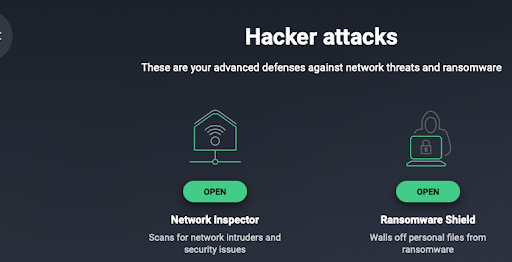
- Click the "Protection" tile
- Click the toggle switches next to components to turn off
- Choose a duration to keep off or set a custom time
- Click "Turn OFF" to confirm
Kaspersky
- Open the Kaspersky app
- Click "Settings" then "Additional"
- Click "Pause protection"
- Select components to disable and duration
- Click "Pause" then "Apply"
For other antivirus software, check the official support site or manual for specific instructions. Most vendors strongly warn against disabling protection except when absolutely necessary, and they may require you to confirm multiple times that you want to proceed.
Disabling certain antivirus components may be less risky than turning off all active protection. For example, if a program only conflicts with behavior monitoring, you may be able to keep real-time file scanning enabled. Consult your antivirus documentation for details on what each component does.
Disabling Antivirus Browser Extensions
Many antivirus tools also install extensions or add-ons in web browsers to block malicious sites and downloads. If you suspect an antivirus browser extension is causing issues, you can disable it temporarily:
Chrome
- Click the three-dot menu icon and choose "More tools" then "Extensions"
- Click the toggle switch to turn off the extension
- You can also click "Remove" to uninstall it completely
Firefox
- Click the three-line menu icon and choose "Add-ons and themes"
- Click "Extensions" on the left
- Click the three-dot icon next to the extension
- Choose "Disable" or "Remove"
Edge
- Click the three-dot menu icon
- Click "Extensions" then "Manage extensions"
- Click the extension
- Toggle off the switch under the extension name
Note that disabling antivirus browser protection means you won‘t have proactive defense against dangerous websites, downloads, and trackers. Be cautious about where you browse and what you click.
What to Do When Antivirus is Disabled
If you‘ve temporarily paused your antivirus, here are important precautions to follow:
-
Disconnect from networks and internet if possible. Isolating your device can prevent exposure to online threats. Work offline if you can.
-
Don‘t visit dubious sites or click unknown links. Avoid any websites you don‘t absolutely trust. Don‘t open emails or click links from unknown senders.
-
Leave other defenses enabled. Keep your firewall turned on to block unsolicited inbound traffic. Ensure other security layers like DNS filtering and HTTPS are active.
-
Be wary of connecting USB drives and devices. Don‘t connect any USB sticks, hard drives, or peripherals unless you‘re certain they‘re clean. Malware can spread through infected USB devices.
-
Watch for suspicious symptoms. If your device starts behaving oddly when antivirus is off, it may be infected. Strange popups, programs opening themselves, and system slowdowns can be red flags. Run a full antivirus scan immediately.
"Users should exercise extreme caution during the window when their antivirus is disabled. All it takes is one infected download or malicious ad to get compromised," stresses Myers. "Proactively avoiding risky behaviors is crucial."
Re-Enabling Antivirus Protection
Immediately re-enable your antivirus as soon as you complete the task you disabled it for. With Windows Defender, go back into Windows Security settings, turn Real-time protection to On, and click "Yes" if prompted. For other antivirus software, open the app, go into settings, and toggle protections back on or click an option like "Resume" or "Enable."
Confirm the antivirus icon shows in your system tray or taskbar. This usually indicates real-time protection is active. Check that the interface doesn‘t show any warnings about defenses being paused or outdated. You can also try running a manual scan or updating malware definitions to be certain everything‘s working.
Try Alternative Troubleshooting First
Before resorting to disabling antivirus, first check if there are other ways to resolve the problem without compromising protection:
- Restart the device – some issues resolve with a fresh boot
- Update software – install latest versions of apps, OS, and antivirus
- Add exceptions – whitelist specific files/folders instead of disabling entirely
- Check forums – search support sites to see if there‘s a known workaround
- Contact support – consult antivirus vendor‘s official guidance and helplines
"Completely shutting down antivirus tools should be treated as an absolute last resort. Users should only disable after exhausting all other alternatives," advises Arntz.
Uninstalling vs Disabling Antivirus
In rare cases, completely removing an antivirus program from your device may be warranted – like replacing it with a different product. But you should avoid leaving devices unprotected without any antivirus software installed.
"Uninstalling antivirus entirely is even riskier than temporarily disabling it," says Arntz. "We strongly advise against uninstalling security software unless you have a replacement you can install immediately. Going without any real-time antimalware defenses is extremely dangerous given today‘s threats."
If you do need to fully uninstall an antivirus utility, follow the software maker‘s official removal instructions. With Windows Defender, you can‘t actually uninstall it, but you can permanently disable it – again, this isn‘t recommended unless you have an alternative solution.
Stay Vigilant and Keep Defenses Up
The digital world is an increasingly hostile place. Threats like ransomware, data thieves, cryptominers, and spyware are more prevalent than ever. Antivirus software is one of our best lines of defense against this onslaught of malicious code.
While disabling antivirus briefly may sometimes be necessary, it‘s always a risky action that should only be taken carefully and sparingly. Limit the amount of time your guard is let down, don‘t take any chances during those minutes, and get your defenses back up ASAP. Cybersecurity is all about vigilance and layers of protection. Keep those shields up whenever possible to stay safe out there!