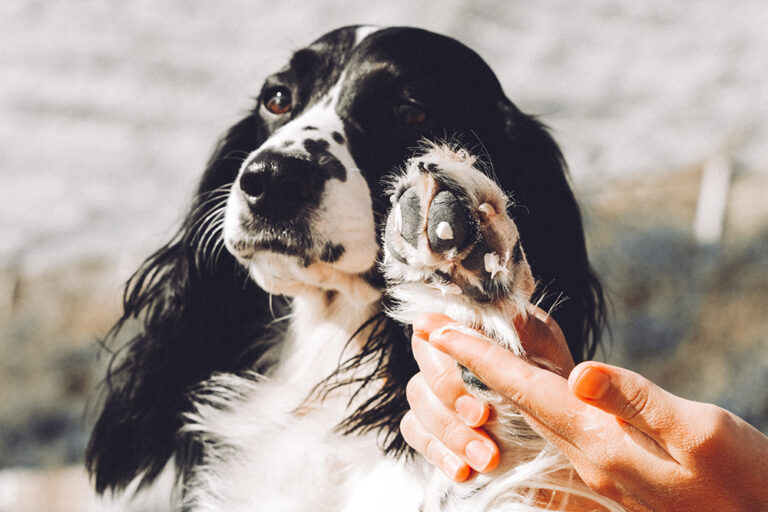
Irish Water Spaniel Puppies: A Comprehensive Guide for New Owners

Irish Water Spaniels are a rare and fascinating breed, known for their signature curly coats, boundless energy, and affectionate personalities. And as puppies, they‘re absolutely irresistible! If you‘re considering bringing an Irish Water Spaniel puppy into your life, this in-depth guide will tell you everything you need to know to help your new friend thrive.
Breed Overview and History
The Irish Water Spaniel is an ancient breed, believed to have originated in Ireland as far back as the 7th century. They were developed as all-around hunting dogs, equally adept at retrieving game from land and water. The breed‘s distinctive curly, water-resistant coat and powerful swimming abilities made them especially prized for waterfowl hunting.
According to the American Kennel Club, Irish Water Spaniels rank 164 out of 195 in popularity among purebred dogs in the United States as of 2023. There are typically fewer than 200 new IWS puppies registered each year, making them a fairly rare breed.
The Irish Water Spaniel was first recognized by the AKC in 1884 and is the largest of the spaniel breeds. Males stand 22 to 24 inches tall and weigh 55 to 65 pounds on average, while females are slightly smaller at 21 to 23 inches tall and 45 to 58 pounds.
Physical Characteristics of Puppies
Irish Water Spaniel puppies are born with short, soft, dark brown to liver-colored coats. Their signature tight curls begin to appear around 3-4 weeks old and continue to grow in over the next few months. By 6 months old, IWS puppies have most of their adult coat.
Dr. Anne Barrow, a veterinarian specializing in sporting breeds, explains that Irish Water Spaniel puppies go through several distinct growth stages as they mature:
- Neonatal (0-2 weeks): Puppies are born blind and deaf, fully dependent on their mother. They sleep 90% of the time.
- Transitional (2-4 weeks): Eyes and ears open, puppies begin to interact with each other and their environment. Baby teeth start erupting.
- Socialization (4-12 weeks): Puppies learn social skills and boundaries through play, exploration and exposure. Vaccination and deworming begin.
- Juvenile (3-6 months): Puppies grow rapidly, adult teeth emerge, housetraining and obedience training progress.
- Adolescent (6-18 months): Growth slows, puppies reach sexual maturity, adult personality and behaviors solidify. Spay/neuter typically occurs during this stage.
Temperament and Personality
Irish Water Spaniels are known for being highly energetic, playful, and affectionate dogs. They tend to be especially devoted to their owners and thrive on human companionship. However, they can also have an independent streak and a touch of mischief at times.
Margaret Wolfe, an Irish Water Spaniel breeder for over 30 years, describes the breed‘s typical personality traits as "active, eager to please, outgoing but not overly exuberant, alert and inquisitive, and a bit stubborn at times." She notes that early, positive socialization and training is key to helping IWS puppies develop into well-adjusted adult dogs.
As retrievers bred to work closely with hunters, Irish Water Spaniels are usually easy to train and quick learners. They respond very well to reward-based methods and interactive training games. Many enjoy dog sports like agility, dock diving, rally, and nosework.
One potential challenge with the breed is their high exercise needs. Tara Darling, an experienced Irish Water Spaniel owner and dog trainer, advises that "IWS puppies seem to have endless energy! They need at least an hour of vigorous exercise daily as they grow – more is even better. Without enough physical and mental stimulation, they can get bored and destructive."
Health and Longevity
The average lifespan of an Irish Water Spaniel is 12 to 13 years, according to a 2004 breed health survey by the UK Kennel Club. The most common causes of death reported were cancer (32%), old age (17%) and kidney/urinary issues (8%).
Like many purebred dogs, Irish Water Spaniels are prone to certain genetic health problems. The Irish Water Spaniel Club of America recommends screening breeding stock for:
- Hip dysplasia: 19.5% affected
- Distichiasis (extra eyelashes): 11.9% affected
- Progressive retinal atrophy (PRA): 5.2% affected
- Follicular dysplasia (hair/skin disorder): 3.1% affected
Responsible IWS breeders perform hip, eye, and genetic tests on prospective parent dogs to avoid passing on preventable disorders. Puppy buyers should ask for documentation of health clearances on both the sire and dam.
Regular preventive care is also essential for keeping Irish Water Spaniel puppies healthy as they grow. Dr. Barrow recommends the following:
- Vaccinations: A series of core vaccines (distemper, parvovirus, adenovirus, rabies) given every 3-4 weeks from 6-16 weeks old, then boosters annually or every 3 years
- Deworming: Puppies should be dewormed at 2, 4, 6, and 8 weeks old, then monthly until 6 months old, then 1-2 times per year
- Parasite prevention: Monthly heartworm, flea and tick preventives are recommended year-round in most areas
- Dental care: Brushing teeth daily or giving dental chews can reduce tartar buildup and prevent gum disease
- Grooming: Regular brushing, ear cleaning, nail trims and occasional baths keep the coat and skin healthy
Finding and Choosing a Puppy
Irish Water Spaniel puppies can be difficult to find due to the breed‘s rarity. Prospective owners may need to join a waiting list or travel to find a reputable breeder. The Irish Water Spaniel Club of America is a good resource for breeder referrals.
When looking for a breeder, prioritize those who perform health testing, provide enriching early socialization, and are knowledgeable about the breed. Avoid pet stores, online sellers, or anyone producing large numbers of litters.
Margaret Wolfe suggests visiting breeders in person whenever possible to meet the puppies‘ parents and see their living conditions. "Puppies should be raised in a clean, spacious, home environment with lots of positive human interaction," she notes. "They should be curious, active, and social by 8 weeks old."
Expect to pay between $1,500 to $3,000 for a well-bred Irish Water Spaniel puppy from health-tested parents. Some breeders may require spay/neuter contracts, limited registration, or co-ownership agreements.
Preparing for Your Puppy
Before bringing your Irish Water Spaniel puppy home, you‘ll need to do some preparation. Tara Darling recommends having these essentials on hand:
- Crate and/or playpen for safe confinement
- Food and water bowls
- High-quality puppy food
- Collar and leash
- Chew toys and puzzle toys
- Grooming tools (slicker brush, comb, nail clippers, ear cleaner)
- Poop bags and cleaning supplies
"Puppy proofing is a must with inquisitive IWS pups," she adds. "Secure trash cans, put away shoes and valuables, block off stairs and unsafe areas with gates, and provide plenty of approved chew toys to discourage destructive chewing."
You‘ll also need to locate a veterinarian and schedule your puppy‘s first checkup within a few days of coming home. Consider signing up for a puppy socialization class or obedience class as well – training is a lifelong process!
Raising an Irish Water Spaniel Puppy
Irish Water Spaniel puppies are smart, energetic, and full of personality, but they can also test your patience at times! Consistency is key in training, socialization, and setting boundaries from day one.
Housetraining is one of the first challenges new puppy owners face. Dr. Barrow advises taking puppies out to potty every 1-2 hours at first, especially after sleeping, eating, and playing. Using a crate when you can‘t supervise helps prevent accidents and teaches bladder control.
Crate training is also invaluable for keeping curious IWS puppies out of trouble and giving them a cozy den space to relax. Start with short periods and always make the crate a positive place with comfy bedding and treats.
Socialization should be a priority during the critical developmental window of 8-16 weeks old. Expose your puppy to new sights, sounds, surfaces, people and animals in a positive, gradual way. Puppy classes are a great way for young IWS to learn social skills and gain confidence.
As your Irish Water Spaniel puppy grows, regular exercise and mental stimulation will be crucial. Tara Darling suggests creative activities like hiking, swimming, fieldwork, trick training, and nosework to keep both brain and body engaged. "A tired puppy is a good puppy!" she laughs.
Grooming and Coat Care
The Irish Water Spaniel‘s trademark curly coat is relatively low-shedding but requires regular maintenance. Margaret Wolfe recommends these grooming steps for puppies:
- Brush 2-3 times weekly with a slicker brush or pin brush, working in sections to prevent matting
- Comb through coat to remove tangles and debris
- Trim hair around eyes, ears, paw pads and sanitary areas as needed
- Bathe every 4-8 weeks with mild, moisturizing shampoo
- Clean ears weekly with a veterinary ear cleaner
- Brush teeth daily and trim nails every 2-4 weeks
Many IWS owners take their dogs to a professional groomer every 6-8 weeks for a full trim and styling, especially if they prefer the traditional "lion" clip with longer hair over the forequarters and a close trim over the hindquarters. Starting grooming visits during puppyhood helps dogs tolerate the process better.
Common Behavior Challenges
Like all puppies, Irish Water Spaniels can develop behavior issues without clear guidance and boundaries. Some problems seen in the breed include:
- Excessive barking or alarm barking
- Jumping up on people
- Pulling on leash
- Destructive chewing
- Digging in yards
- Chasing small animals
- Resource guarding toys or food
Tara Darling emphasizes the importance of rewarding good behavior and redirecting unwanted behavior early on. "Catching your puppy in the act and interrupting with a firm ‘no‘ or noise, followed by praise for stopping, sends a clear message," she advises. "Stay consistent and keep training sessions positive."
For more serious behavior problems, consult with a qualified dog trainer or behaviorist sooner rather than later. Many issues can be resolved with a tailored training plan and owner commitment.
Conclusion
Irish Water Spaniel puppies are undeniably special, from their unique looks to their vibrant personalities. But they‘re not the right fit for every home. These energetic, intelligent dogs require dedicated owners willing to put in the time for training, socialization and exercise.
If you‘re up for the challenge, though, an Irish Water Spaniel puppy will reward you with a lifetime of love, laughter, and adventure. As Margaret Wolfe puts it, "They‘re not just dogs, they‘re family. An IWS will always want to be right by your side, whether you‘re hiking a trail or curled up on the couch. That bond is truly a gift."
With the right preparation, care and training, your Irish Water Spaniel puppy will grow into a confident, well-rounded adult dog and cherished companion. And you‘ll have the joy of knowing you helped shape an outstanding example of this rare and remarkable breed.
Resources and Further Reading
For more information on Irish Water Spaniel puppies and dogs, check out these resources: