J&K Government‘s Bold Vision to Transform Healthcare with AI
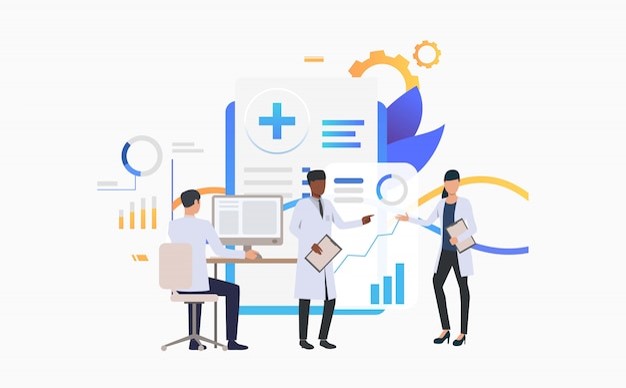
The government of Jammu and Kashmir (J&K) is undertaking an ambitious initiative to revolutionize the region‘s healthcare system by harnessing the power of artificial intelligence (AI). This forward-thinking move aims to leverage cutting-edge AI technologies to enhance healthcare delivery, improve patient outcomes, optimize resource allocation, and drive data-driven decision-making. By embracing AI, J&K is positioning itself at the vanguard of the digital transformation in healthcare, setting a precedent for other states to follow.
Harnessing AI for Predictive Analytics and Precision Medicine
At the heart of J&K‘s AI-driven healthcare transformation lies the strategic digitization and integration of vast troves of healthcare data. The government is actively working on converting paper-based medical records into structured digital formats and creating a unified repository that consolidates data from disparate sources such as hospitals, clinics, and public health registries.
This comprehensive digitization effort lays the foundation for employing advanced AI algorithms to uncover meaningful patterns, predict disease trajectories, and enable proactive interventions. By analyzing factors like patient demographics, medical history, genetic profiles, and social determinants of health, AI models can identify individuals at high risk for certain conditions and guide targeted prevention strategies.
Moreover, the application of AI in precision medicine holds immense potential. By leveraging machine learning techniques, healthcare providers can tailor treatments to a patient‘s unique genetic makeup, lifestyle factors, and disease subtype. This personalized approach can improve therapy efficacy, minimize adverse effects, and optimize patient outcomes.
Real-world examples of AI-driven precision medicine are already making a significant impact. For instance, researchers at the University of California, San Francisco, developed an AI algorithm that can predict the risk of cardiovascular events with a remarkable accuracy of 90%, outperforming traditional risk calculators. By identifying high-risk individuals early, healthcare providers can initiate timely interventions and prevent potentially fatal cardiac episodes.
Collaborating with Tech Giants to Accelerate AI Adoption
To fast-track the integration of AI into its healthcare ecosystem, the J&K government has initiated strategic partnerships with renowned technology companies like Oracle and Google. These collaborations aim to tap into the expertise and resources of these tech giants to co-develop and deploy state-of-the-art AI solutions tailored to the specific needs of J&K‘s healthcare landscape.
Oracle, a global leader in enterprise software and cloud computing, brings a wealth of experience in healthcare data management and analytics. By partnering with Oracle, J&K can leverage the company‘s advanced AI and machine learning capabilities to streamline healthcare workflows, enhance data security, and derive actionable insights from complex health data. Oracle‘s Healthcare Foundation platform, for example, uses AI to automate clinical documentation, optimize revenue cycles, and improve operational efficiency.
Google, meanwhile, offers a suite of AI-powered tools and platforms that can revolutionize various facets of healthcare delivery. From natural language processing (NLP) for extracting insights from unstructured medical notes to computer vision for analyzing medical images, Google‘s AI technologies have the potential to transform diagnosis, treatment planning, and patient monitoring.
A notable example is Google‘s DeepMind Health, which has developed AI algorithms capable of detecting eye diseases from retinal scans with an accuracy rivaling that of experienced clinicians. By automating the analysis of medical images, AI can help reduce diagnostic errors, expedite treatment initiation, and alleviate the workload of overburdened healthcare professionals.
Learning from Pioneers: Carbon Health‘s AI-Powered Healthcare Model
As J&K embarks on its AI-driven healthcare transformation, it can draw valuable lessons from trailblazing healthcare organizations like Carbon Health. Carbon Health, a technology-enabled primary care provider, has successfully integrated AI into its electronic health record (EHR) system, setting a new standard for data-driven patient care.
Carbon Health‘s AI-powered EHR, known as Charting AI, employs NLP and machine learning algorithms to automate the clinical documentation process. By analyzing patient data, medical history, and provider notes, Charting AI generates comprehensive and accurate clinical notes, saving healthcare professionals substantial time and reducing the likelihood of errors.
Furthermore, Carbon Health‘s AI algorithms continuously analyze patient data to identify potential health risks, recommend personalized treatment plans, and provide real-time clinical decision support. This proactive, data-driven approach enables healthcare providers to intervene early, prevent complications, and optimize patient outcomes.
The impact of Carbon Health‘s AI-driven model is evident in the numbers. According to the company, Charting AI has reduced documentation time by up to 50%, allowing providers to spend more quality time with patients. Additionally, Carbon Health‘s AI-powered patient engagement tools have contributed to a 30% reduction in hospital readmissions and a 25% improvement in medication adherence.
By studying and adapting best practices from pioneers like Carbon Health, J&K can accelerate its own AI implementation efforts, avoid common pitfalls, and create a patient-centric, data-driven healthcare ecosystem.
Navigating the Challenges of AI Implementation in Healthcare
While the potential benefits of AI in healthcare are immense, the journey to successful implementation is not without obstacles. Data privacy and security remain paramount concerns, given the sensitive nature of health information. The J&K government must prioritize the development of robust data governance frameworks, ensure compliance with stringent regulations like the Personal Data Protection Bill, and invest in advanced cybersecurity measures to safeguard patient data from breaches and unauthorized access.
Another critical challenge is ensuring the ethical and responsible deployment of AI in healthcare. AI algorithms are only as unbiased as the data they are trained on, and historical biases in healthcare data can inadvertently perpetuate inequities. The J&K government must collaborate with ethicists, AI experts, and diverse stakeholders to establish guidelines and oversight mechanisms that promote fairness, transparency, and accountability in AI decision-making.
Moreover, the successful adoption of AI in healthcare hinges on a skilled and adaptable workforce. Healthcare professionals must be equipped with the necessary knowledge and skills to effectively leverage AI tools and interpret their outputs. The J&K government should invest in comprehensive training programs, curriculum updates in medical education, and collaborations with academia and industry to bridge the AI skills gap.
The Road Ahead: Envisioning AI-Powered Healthcare in J&K
As J&K forges ahead with its AI-driven healthcare transformation, the long-term vision is one of a seamless, intelligent, and patient-centric healthcare system. By 2030, the government aims to have a fully integrated AI-powered healthcare ecosystem that spans from primary care to specialized treatments, from urban centers to rural villages.
In this envisioned future, AI will be deeply embedded into every aspect of healthcare delivery. Predictive analytics will enable early detection and intervention for diseases, reducing the burden of chronic conditions. AI-assisted diagnosis will augment the clinical decision-making process, helping healthcare professionals make more accurate and timely assessments. Personalized treatment plans, informed by AI analysis of patient data and evidence-based guidelines, will optimize therapy outcomes and minimize adverse events.
Telemedicine and remote monitoring, powered by AI, will bridge the accessibility gap, ensuring that high-quality healthcare reaches even the most remote areas of J&K. AI-enabled chatbots and virtual assistants will provide round-the-clock support, answering patient queries, offering health education, and guiding them through their care journeys.
Beyond clinical applications, AI will also revolutionize healthcare administration and resource management. Predictive modeling will help forecast healthcare demand, optimize resource allocation, and streamline supply chain logistics. AI-driven financial analytics will identify opportunities for cost savings and revenue enhancement, ensuring the financial sustainability of the healthcare system.
Conclusion
The J&K government‘s bold initiative to revolutionize healthcare through AI represents a transformative leap into the future. By harnessing the power of AI to predict, prevent, and personalize healthcare, J&K is positioning itself at the forefront of the digital health revolution. The strategic partnerships with tech giants like Oracle and Google, coupled with the lessons learned from pioneers like Carbon Health, provide a solid foundation for success.
However, the path to AI-driven healthcare is not without challenges. Addressing data privacy, ethical considerations, and workforce readiness will require concerted efforts and collaboration among stakeholders. By prioritizing responsible AI development, investing in skill-building, and fostering a culture of innovation, J&K can navigate these complexities and realize the full potential of AI in healthcare.
As J&K embarks on this transformative journey, it has the opportunity to set a new standard for AI-powered healthcare delivery in India and beyond. By leveraging AI to improve access, quality, and efficiency of healthcare, J&K can create a healthier, more equitable future for its citizens. The road ahead is filled with challenges and opportunities, but with visionary leadership, strategic partnerships, and a steadfast commitment to innovation, J&K is poised to redefine the landscape of healthcare in the 21st century.