Jonangi Dog Breed: Pictures, Info, Care Guide & More
If you‘re looking for a unique, energetic, and highly capable dog, the rare Jonangi breed is well worth considering. Hailing from the Andhra Pradesh region of southern India, these medium-sized dogs have a fascinating history as versatile working dogs used for herding, hunting, fishing, and guarding. Today, the Jonangi is still a relatively unknown breed outside its native land, but its devoted followers praise the dogs‘ loyalty, agility, and protective nature.
In this comprehensive guide, we‘ll explore all aspects of the Jonangi dog, from its physical characteristics and temperament to its exercise needs and health concerns. Whether you‘re actively looking for a Jonangi puppy or are simply curious about this uncommon breed, read on to discover if the Jonangi is the right dog for you and your household.
Breed Overview
The Jonangi is a medium-sized dog, typically weighing between 30-50 pounds and standing 17-21 inches tall at the shoulder. They have a lean, muscular build well-suited for a variety of demanding physical tasks.
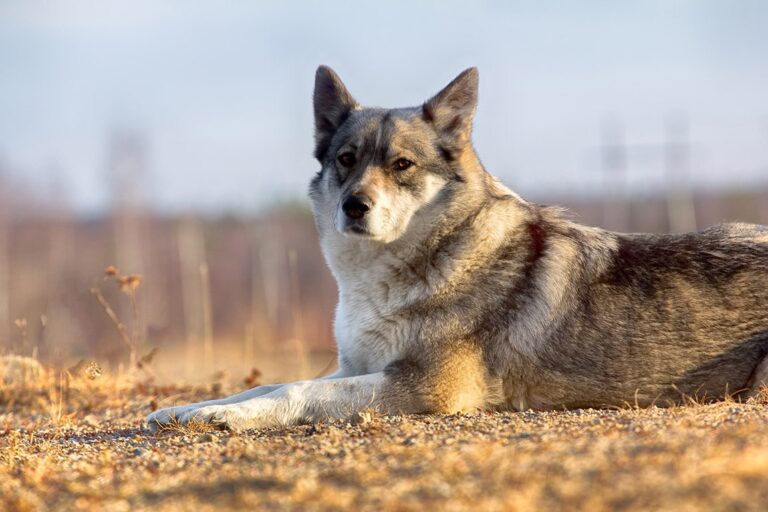
Jonangi dogs have short, dense coats that most commonly come in combinations of black, white, gray, fawn, and brindle. White markings on the chest, toes, and tail tip are often seen. The breed‘s wedge-shaped head features erect ears, almond-shaped eyes, and a tapered muzzle.
One thing you‘ll notice right away about Jonangis is that they are constantly alert and aware of their surroundings. Bred to be guard dogs as well as herders and hunters, these dogs are always on the lookout, yet remain even-tempered unless a real threat appears. With family, Jonangis are deeply loyal and affectionate, bonding closely with their special people.
History of the Jonangi
To understand the Jonangi‘s nature, it helps to know a bit about the breed‘s history in southern India. For centuries, these adaptable dogs served the local duck farmers, skillfully herding ducks and driving them from rivers to the farmers‘ fields to forage during the day. Jonangis also excelled at fishing, able to dive underwater to catch fish in their mouths. Their talent for fishing later led to conflict with their duck farmer owners.
As the duck farming industry declined in the 20th century, the Jonangi breed nearly disappeared. No longer needed for herding, the dogs were left to fend for themselves. They often resorted to "poaching" fish from local waterways, causing them to be viewed as pests. Many Jonangis were killed by farmers during this time, pushing this already rare breed to the brink of extinction.
Fortunately, devoted Jonangi enthusiasts have made great strides in recent decades to revive and preserve the breed. Through careful breeding and promotion efforts, Jonangi numbers are slowly climbing. While still quite rare outside India, the Jonangi is beginning to gain admirers around the world.
Living with a Jonangi
If you‘re considering adding a Jonangi to your household, there are a few key things to be aware of in terms of the breed‘s needs and quirks:
Exercise and Play
As you might expect from a former working breed, Jonangis have high energy and exercise requirements. Expect to provide at least an hour of vigorous exercise daily in the form of long walks, jogs, hikes, or playtime in a securely fenced yard. Mental stimulation is equally important for this clever breed, so puzzle toys and learning new tricks are a must to prevent boredom and destructive habits.
Training and Socialization
The Jonangi is a highly trainable breed, responding well to positive reinforcement and reward-based training methods. Start training early and be consistent with your expectations. As with any guarding breed, extensive socialization is also critical from puppyhood on. Expose your Jonangi to a variety of people, animals, and situations to ensure they develop into a well-adjusted, friendly adult dog.
Grooming
The Jonangi‘s short coat is relatively low-maintenance, requiring just weekly brushing to remove loose fur and occasional baths as needed. However, their floppy ears will need regular cleaning to prevent infections, and their fast-growing nails should be trimmed monthly. Dental care is also important, so brush your Jonangi‘s teeth frequently and provide safe chew toys.
Nutrition
Feed your Jonangi a high-quality, protein-rich diet fit for an active breed. Many Jonangi owners opt for a raw or partially raw diet consisting of meats, bones, and vegetables, but a premium kibble supplemented with whole foods is also a good option. As with any breed, it‘s crucial to maintain a healthy weight through proper portion control and limited treats.
Jonangi Health and Lifespan
The Jonangi is generally a robust and healthy breed with few known inherited disorders. As a relatively "natural" breed that hasn‘t been over-refined through selective breeding, the Jonangi tends to have less inbreeding and genetic bottlenecking that can cause health issues in other purebreds.
However, like all dogs, Jonangis can suffer from certain conditions that are important to be aware of:
- Hip and elbow dysplasia
- Ear infections
- Dental disease
- Allergies and skin conditions
- Bloat (gastric torsion)
With proper care, nutrition, and veterinary attention, the Jonangi can enjoy a lifespan of 12-16 years on average. Keeping your Jonangi at a healthy weight, providing plenty of physical and mental exercise, and scheduling regular check-ups are the best ways to promote a long, happy life for your dog.
Is the Jonangi Right for You?
Now that you have a clearer picture of the Jonangi‘s characteristics and needs, it‘s time to consider whether this rare breed is the ideal match for your lifestyle and household.
The Jonangi can be a wonderful companion for active singles or families who can meet the breed‘s considerable exercise needs. A home with a large, securely fenced yard is ideal. Jonangis typically do well with children when raised with them and properly socialized. They can also coexist with other dogs and cats if introduced carefully, but their high prey drive means caution is warranted around smaller pets.
On the other hand, the Jonangi is likely not the best choice for novice owners or those who are away from home frequently, as the breed requires dedicated training, socialization, and companionship. Jonangis also are not well-suited for apartment living or a sedentary lifestyle. Without ample exercise and stimulation, they can become bored, anxious, and destructive.
If you feel you can meet the Jonangi‘s needs and are drawn to the breed‘s captivating history, striking looks, and lively, loyal nature, you may have found your ideal canine match. The hardest part may be actually locating a Jonangi puppy, as the breed remains quite rare even in its native India.
The best way to start your search is by contacting Jonangi breeders or breed clubs who preserve and promote these special dogs. Expect to be patient, thoroughly interviewed, and potentially put on a waiting list, as responsible Jonangi breeders are working hard to place their puppies in just the right homes. You may need to travel a considerable distance to meet breeders and pick up your new puppy.
Final Thoughts
The Jonangi is a truly fascinating breed that has captured the hearts of a small but passionate group of aficionados worldwide. With its rich history, striking looks, intense loyalty, and impressive versatility, it‘s no wonder the Jonangi inspires such dedication in its fans.
Could the Jonangi be the dog of your dreams? If you‘re captivated by the breed‘s unique qualities and feel equipped to handle its needs, then welcoming a Jonangi into your home and heart may be an enriching, once-in-a-lifetime experience.
Whether you become one of the lucky few to share your life with a Jonangi or admire the breed from afar, learning about these special dogs is a rewarding pursuit. By spreading the word about the Jonangi, we can all do our part to support the revival of the breed and preserve its place in canine history for future generations to enjoy.