Labrador Retriever Breed Info: Pictures, History, Care, Traits & More
A Guide to Labrador Retrievers: History, Traits, Care and More
Labrador Retrievers have reigned as America‘s most popular dog breed for over three decades, and it‘s easy to see why. With their friendly faces, wagging tails, and people-pleasing personalities, Labs seem to embody everything we love about dogs. But there‘s much more to this iconic breed than meets the eye.
From their origins as hard-working water dogs to their modern roles as family pets and service animals, the Labrador Retriever is a breed with a rich history and an incredible set of skills and traits. Whether you‘re already a proud Lab owner or considering adding one of these lovable pups to your life, here‘s everything you need to know about this beloved breed.
Breed Overview
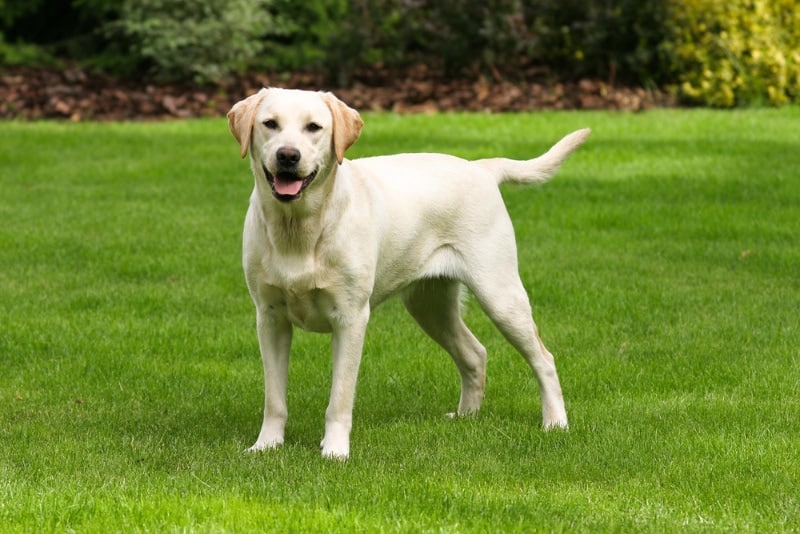
Labrador Retrievers are sturdy, medium-large dogs with an athletic build suited for an active lifestyle. A male Lab typically stands 22.5 to 24.5 inches tall and weighs 65 to 80 pounds, while females are slightly smaller at 21.5 to 23.5 inches and 55 to 70 pounds.
Labs have a short, dense double coat that sheds moderately year-round and more heavily during shedding seasons. Their coat comes in three recognized colors:
- Black: A true, solid black
- Yellow: Ranges from a pale cream to a deep gold
- Chocolate: Can be light to dark brown
Silver and red fox are more controversial and less common colors sometimes seen in Labs. Silver Labs are a diluted form of chocolate and often indicate mixed breeding, while red fox refers to a deeper shade of yellow.
The Lab‘s Kind Expression
One defining feature of the Labrador Retriever is their expressive face and kind eyes. Labs have a broad head with hanging ears, a fairly short muzzle, and an intelligent, friendly expression. Their eyes are brown or hazel and convey a sense of warmth.
Labrador tails are thick, tapering, and medium in length, meant to act as a rudder when swimming. You can spot a happy Lab by their wildly wagging "otter tail." Overall, their body is strong and athletic – the ideal build for an active sporting dog.
Origins of the Labrador Retriever
Despite their name, Labrador Retrievers actually originated in Newfoundland, not Labrador. In the 1800s, Labs served as working dogs for fishermen, helping to haul in heavy nets and retrieve fish that had escaped from fishing lines in the icy North Atlantic. Their short, dense coat protected them from the frigid water, while their strong tail helped them steer.
These "St. John‘s water dogs" caught the eye of visiting English nobles, who brought them back to England to serve as hunting companions. In England, the breed was refined and standardized, becoming the Labrador Retriever we recognize today. No one knows for sure why the name was changed from St. John‘s dog to Labrador Retriever, but it stuck.
The breed faced near extinction in the early 1900s when the Newfoundland government began heavily restricting dog ownership. A few remaining St John‘s dogs were brought to England, where breeders worked to save the breed from disappearing. By World War I, Labs began appearing in the U.S. as well, and the AKC recognized the breed in 1917.
The Labrador Temperament
One key reason for the Labrador‘s enduring popularity is their delightful temperament. The ideal Lab is friendly, outgoing, and eager to please, with a sweet, non-aggressive nature. They‘re known for their patient and playful love of children, making them an excellent family dog.
Of course, every dog is an individual, but most Labs share some common personality traits:
- Outgoing and social, quick to make friends with new people and dogs
- Cheerful, optimistic and enthusiastic about…well, everything!
- Highly energetic, playful and goofy, even into adulthood
- Intelligent and trainable, thriving on having a job to do
- Even-tempered and adaptable to many living situations
- Affectionate and people-oriented, forming strong bonds with family
The famous Labrador friendliness isn‘t just a product of good breeding and training (although those certainly help). Recent studies have actually identified genetic markers that contribute to hyper-social behaviors in Labs and other friendly breeds. So that wiggling, face-licking love your Lab shows you is hardwired in their genes!
Exercise Needs & Living Situations
The flip side of the Labrador‘s happy-go-lucky nature is their high energy level. Bred to work all day in rugged conditions, Labs have impressive strength and stamina. A brief walk around the block won‘t cut it for this active breed – most Labs need at least 1-2 hours of physical exercise per day.
Fortunately, Labs tend to be up for almost any activity you can throw at them. In addition to long walks or jogs, they‘ll enjoy:
- Games of fetch, tug and chase
- Swimming (most Labs are water-lovers through and through)
- Hiking and camping adventures
- Dog sports like agility and flyball
- Trips to the beach or dog park for social playtime
Without enough outlets for their energy, a Lab is likely to become bored, destructive, and hyperactive. Mental exercise is just as important for this intelligent breed, so training, puzzle toys, and nose work can help keep their brain happy and healthy.
As adaptable dogs, Labs can happily live in many environments, from city apartments to spacious country homes. The key is having enough time and energy to devote to their considerable exercise needs. A securely fenced yard where a Lab can burn off some energy is ideal, but not strictly necessary for responsible owners committed to an active lifestyle.
Training & Socialization
Thanks to their smarts and eagerness to please, Labrador Retrievers have a reputation as highly trainable dogs. They often excel in obedience, agility, therapy work, and service roles. However, that doesn‘t mean they train themselves!
Like all dogs, Labs need early and ongoing socialization to develop into confident, well-adjusted companions. Puppy classes are a great way to get your Lab comfortable with new people, animals, and situations while laying a foundation for good manners.
Positive reinforcement using rewards like treats, toys and praise is the most effective way to train a Labrador. Labs can be sensitive and don‘t respond well to harsh corrections or punishment. Keep training sessions short, fun and interesting.
A common training challenge with Labs is their mouthy behavior. Bred to use their mouths to retrieve game, Labs are inclined to pick up and chew on anything interesting, including hands and clothing. Teaching bite inhibition and providing plenty of interesting chew toys can help redirect this behavior.
Feeding & Health
With their love of food and tendency to overeat, Labrador weight gain can be a problem if not managed carefully. Free-feeding (leaving food out all the time) is not recommended for this breed. Instead, feed your Lab measured meals 2-3 times per day of a high-quality food formulated for their age, size and energy level. Limit treats to 10% of their daily calories.
Labrador Retrievers are generally healthy dogs with a lifespan of 10-14 years, but like all breeds, they‘re prone to certain hereditary health conditions such as:
- Hip and elbow dysplasia
- Eye problems like progressive retinal atrophy
- Exercise induced collapse
- Bloat (gastric dilatation volvulus)
Choosing a Lab puppy from health-tested parents can reduce the risk of inheriting these issues. Look for breeders who perform hip, elbow, and eye exams on breeding dogs and share the results. Keeping your Lab at a healthy weight and avoiding over-exercise during the growth period can also help protect their joints.
Grooming & Care
For a breed that sheds as much as Labs do, they‘re actually relatively easy keepers in the grooming department. Their short double coat just needs a weekly brushing to remove loose fur, with more frequent sessions during heavy shedding periods.
Labrador Retrievers are "wash and wear" dogs that don‘t need frequent bathing – a bath every 2-3 months or as needed is plenty. More important is regular nail trimming, ear cleaning, and dental care. Introducing these routines from a young age can help your Lab stay comfortable with grooming throughout their life.
Labs as Versatile Working Dogs
While many Labrador Retrievers today enjoy life as beloved family pets, they still excel in a wide variety of work roles. Their intelligence, trainability, work ethic, and incredible sense of smell make them well-suited for jobs like:
- Assistance and service dogs for people with disabilities
- Search and rescue, especially in the water or wilderness
- Detection of explosives, narcotics, and other contraband
- Hunting and field trials, using their retrieval skills
- Therapy work, providing comfort in hospitals, schools, etc.
Interestingly, many organizations that train assistance dogs are actually combining Labradors with Golden Retrievers or Poodles to create "goldadors" and "labradoodles." These crossbreeds aim to combine the Lab‘s work ethic and trainability with the Poodle‘s low-shedding coat or the Golden‘s slightly calmer temperament.
The Sports Star
When they‘re not working, many Labs compete in a variety of dog sports. Their athletic bodies and eager minds make them naturals at events like:
- Obedience trials
- Agility and obstacle course competitions
- Dock diving
- Flyball
- Retrieving trials and field competitions
If you have an energetic Lab with a competitive drive, training for one of these sports can be a fantastic way to put their mind and body to work. Many dogs thrive with a job to do, and sports are the perfect outlet.
Getting a Labrador: Puppy, Adult or Senior?
If you think a Labrador Retriever might be the right dog for you, one of the first decisions is whether to get a puppy, adult, or senior dog. There are benefits to each, depending on your lifestyle and what you‘re looking for in a canine companion.
Labrador puppies are undeniably adorable, and raising one from 8 weeks on allows you to shape their training, socialization and experiences from day one. However, puppies are also a lot of work, requiring time, patience, and a sense of humor to survive the housetraining, chewing, nipping, and zoomies phases.
If a breeder is your desired route, do your research into responsible breeding practices, genetic health testing, and early socialization programs. Quality breeders will ask you just as many questions as you ask them to ensure their pups go to the right homes.
An adult Lab can be a great choice for someone who wants a calmer, more predictable companion without the intensity of puppyhood. Many wonderful Labs end up in shelters or rescue groups because their previous owner had a lifestyle change, not because of any issue with the dog.
Senior Labs also make lovely companions for the right person. Many older Labs still have plenty of pep, just with a little more nap time in between. They can be ideal for a quieter household looking for a sweet, easygoing friend.
No matter what age you choose, don‘t overlook rescue as an option. Labrador Retrievers and Lab mixes are one of the most common dogs found in shelters, so there‘s likely one waiting for you nearby.
Labrador Fun Facts
To wrap up, here are a few fun facts about Labrador Retrievers:
-
Labs nearly went extinct in the 1800s when Newfoundland put heavy restrictions and taxes on dog ownership. A small group in England saved them from disappearing.
-
The first seeing eye dog in the U.S. was a Labrador named Buddy in 1928. Buddy and his owner traveled the country to spread awareness of guide dogs for the blind.
-
Labrador Retrievers have dominated the AKC registration rankings for the past 30 years, only recently coming in second to French Bulldogs in 2022.
-
A Chocolate Lab named Pep was sentenced to life without parole at a Pennsylvania prison in 1924. He allegedly murdered the governor‘s cat, but really just posed for cute photos with the inmates.
-
The average Labrador Retriever‘s nose has 220 million scent receptors (humans have about 5 million), giving them an incredible sense of smell they use for detection and tracking work.
-
A yellow Lab named Endal is known as the most decorated service dog in the world, with an extensive list of skills like operating ATMs and putting his paraplegic owner to bed each night.
Labs in pop culture:
- Marley, the "world‘s worst dog" from Marley & Me
- Toto the Wizard of Oz dog was actually a black Cairn terrier in the film, but originally written as a Lab in the books.
- Old Drum, the dog who inspired the famous "man‘s best friend" court case
- Hulk, a 175-lb Lab who went viral with his massive size
- Brian Griffin, the erudite talking Lab from Family Guy
While undoubtedly popular and delightful companions, the Labrador Retriever isn‘t the right dog for everyone. They need attentive training, plenty of exercise, and regular grooming to thrive. But for an active person looking for a fun-loving, affectionate, up-for-anything best friend, it‘s hard to go wrong with a Lab.