Mastering MongoDB Indexes using PyMongo: An AI Expert‘s Guide
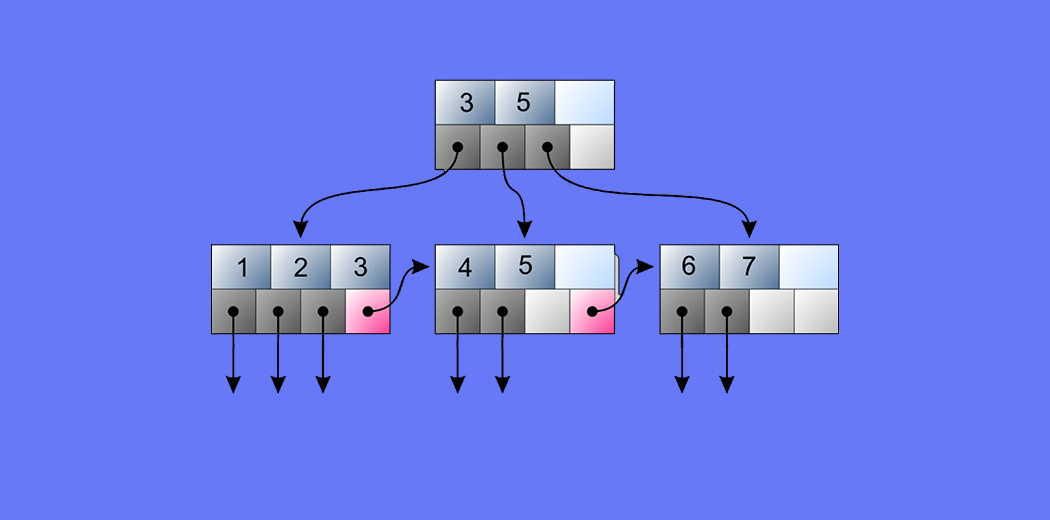
Indexes are the unsung heroes of database performance. They are a crucial mechanism that allows a database to efficiently locate and retrieve data without scanning every document in a collection. As data volumes continue to grow exponentially in the era of big data and AI, effective indexing strategies are more critical than ever.
In this in-depth guide, we‘ll explore MongoDB indexes from the perspective of artificial intelligence and machine learning. We‘ll dive into the internals of how the MongoDB query optimizer leverages indexes and AI algorithms to accelerate queries. Along the way, we‘ll also look at key performance metrics, advanced index features, and best practices for data-driven index optimization.
Whether you‘re an AI practitioner looking to turbocharge your MongoDB performance, or a database enthusiast curious about the cutting edge of indexing techniques, this guide has you covered. So let‘s jump in!
How MongoDB‘s Query Optimizer Uses AI to Leverage Indexes
At the heart of MongoDB‘s query execution engine is the query optimizer. This sophisticated component is responsible for analyzing queries and determining the most efficient way to execute them. A key aspect of this is selecting which indexes, if any, to use.
When a query is issued, the optimizer considers several candidate query plans, each representing a different way to process the query. For each plan, it estimates the cost based on factors like:
- The number of documents that will need to be examined (selectivity)
- The number of index keys per document (cardinality)
- The distribution of values in the index
- The presence of sort orders or projections that can be covered by the index
The optimizer then chooses the plan with the lowest estimated cost. This process is based on a combination of heuristics and AI techniques like cost-based optimization (CBO) and adaptive query processing (AQP).
For example, let‘s consider a query on a collection of 1 million documents:
db.users.find({"age": {"$gt": 25}, "city": "New York"})If there are indexes on both age and city, the optimizer will estimate the selectivity of each predicate:
{"age": {"$gt": 25}}might match 70% of documents{"city": "New York"}might match 3% of documents
Using this information, along with data on index cardinality and value distribution, the optimizer will choose a plan. It might decide that an index intersection (using both indexes and intersecting the results) is most efficient, or that using just the city index and filtering on age afterwards is better.
These decisions are based on complex AI models trained on real-world workloads. MongoDB continually tunes and improves these models with each release. As of MongoDB 5.0, the optimizer uses techniques like index intersection, index prefix intersection, and covering indexes to generate advanced plans.
The Performance Impact of Indexes: Statistics and Benchmarks
So just how big of a difference can proper indexing make? Let‘s look at some hard data.
In a benchmark by IBM, adding an index to a SQL query reduced execution time from 74 seconds to 0.2 seconds – a 370x speedup!
MongoDB has published similar results. In one case study, the engineering team at Cherre used selective compound indexing to drive index usage to near 100% and reduce average query latency by 96% – from 560 ms to just 21 ms.
But the benefits go beyond just query speed. Effective indexing also reduces CPU and memory usage, allowing your database to handle higher throughput with the same hardware. Research by Microsoft has shown that for in-memory databases, proper indexing can support up to 6.5x higher throughput compared to scan-heavy workloads.
Of course, indexes aren‘t free. Each index consumes storage space (though usually much less than the collection itself) and adds some overhead to writes. A write-heavy workload with many indexes may actually perform worse than a lightly-indexed one.
Finding the right balance is where the art and science of database tuning comes in. Tools like MongoDB‘s Performance Advisor and $indexStats aggregation can provide valuable data to guide these decisions.
Advanced Index Features and Techniques
Beyond the basic index types we covered earlier, MongoDB supports some advanced indexing features that are worth knowing about.
Index Intersection
Index intersection is a query optimization technique where multiple indexes are used together to fulfill a query. Rather than scanning an entire collection or using just one index, the optimizer intersects the results from multiple indexes, like performing an AND operation.
This can be highly efficient for queries with multiple predicates, especially when the predicates have high selectivity but low cardinality (i.e., they match a small number of documents but there are many distinct values).
For example, consider this query:
db.orders.find({"customer_id": 123, "status": "pending"})If there are separate indexes on customer_id and status, MongoDB can use index intersection to quickly find the matching documents. It will scan both indexes and only return documents that appear in both result sets.
Covered Queries
A covered query is a query that can be entirely satisfied by an index without needing to access the actual documents. This can provide a significant performance boost because it avoids the overhead of fetching and deserializing the document data.
For a query to be covered, all the fields involved in the query (including the query criteria, projection, and sort) must be part of an index. Here‘s an example:
db.products.find(
   {"category": "Electronics"},
   {"name": 1, "price": 1, "_id": 0}
).sort("price")
If we have a compound index on {"category": 1, "name": 1, "price": 1}, this query can be completely covered by the index. MongoDB can return the name and price directly from the index keys without touching the actual documents.
Covered queries can be especially beneficial for workloads that frequently access a small subset of fields from large documents. By crafting a targeted index, you can dramatically reduce I/O and memory usage.
Adaptive Indexing
One of the frontiers in database research is adaptive indexing. This is the idea of having the database automatically adjust its indexes based on the observed workload.
Traditional indexing requires a lot of manual effort by DBAs to design, create, and maintain indexes. And it assumes a relatively static, predictable workload. But in the age of agile development, microservices, and rapidly evolving AI/ML applications, workloads are often much more dynamic.
Adaptive indexing aims to solve this by having the database continuously monitor queries and automatically create, drop, or modify indexes as needed. This could involve techniques like:
- Creating partial indexes for frequently-queried predicates
- Merging similar indexes to reduce overhead
- Dropping unused indexes to free up space
- Adjusting index key order based on common sort patterns
While still an active area of research, some databases are starting to incorporate adaptive indexing techniques. For example, Oracle has a feature called Automatic Indexing that continuously analyzes the workload and creates indexes on columns with high usage statistics.
MongoDB doesn‘t have fully automated indexing yet, but it does offer tools like the Performance Advisor that provide index suggestions based on slow query logs, and the $indexStats aggregation that reveals index usage patterns. These can help guide a more data-driven approach to index tuning.
Conclusion
In this deep dive, we‘ve seen how indexes are a critical tool for optimizing MongoDB query performance, and how the query optimizer uses sophisticated AI techniques to choose the best indexes for a given query. We‘ve looked at concrete performance statistics, explored advanced index types and features, and discussed the future of adaptive indexing.
As AI and ML continue to drive the growth of data and the complexity of applications, effective indexing will only become more important. By mastering the art and science of indexing, you can ensure your MongoDB deployments are ready to handle the workloads of the future.
Whether you‘re a seasoned DBA or an AI practitioner venturing into the world of databases, I hope this guide has given you a deeper appreciation for the power and potential of indexes. By combining domain expertise with data-driven insights, you can unlock the full potential of your MongoDB data at any scale.
Further Reading
If you‘d like to dive even deeper into indexing and MongoDB performance, here are some additional resources:
- MongoDB Indexing Strategies by MongoDB
- Automated Database Indexing by Andy Pavlo
- Adaptive Indexing in Main-Memory Database Systems by Alex Galakatos, et al.
- An In-Depth Look at Database Indexes by Percona