Samsung‘s One UI 6.1 Update Brings the Power of Galaxy AI to Older Devices
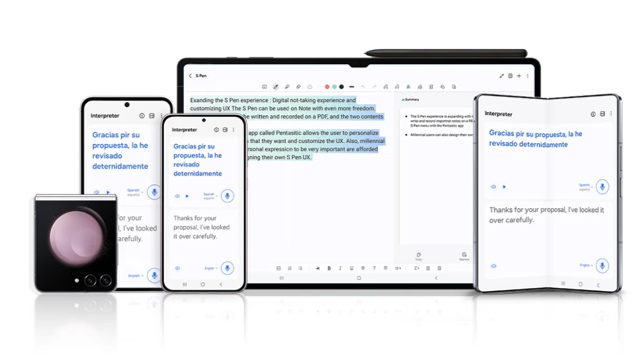
In a significant move that underscores its commitment to making cutting-edge technology accessible to a broader user base, Samsung has announced plans to bring its acclaimed Galaxy AI features to older smartphone and tablet models through the upcoming One UI 6.1 software update. Previously available only on the flagship Galaxy S24 series, these AI-powered capabilities will soon be rolling out to devices like the Galaxy S23 series, S23 FE, Z Fold5, Z Flip5, and Tab S9 series.
The democratization of Samsung‘s mobile AI technology represents a major step forward in the company‘s mission to enhance user experiences across its expansive device ecosystem. By extending the reach of Galaxy AI beyond just the latest hardware, Samsung is ensuring that more users can benefit from the convenience, productivity, and creativity offered by these intelligent features.
The Scope of Samsung‘s AI Democratization
To understand the significance of this update, it‘s important to consider the sheer scale of Samsung‘s device adoption. According to recent market research, Samsung holds a dominant position in the global smartphone market, with a share of over 20% as of Q1 2024. Furthermore, data from Samsung‘s own Mobile Experience (MX) division reveals that there are currently over 700 million active Galaxy devices worldwide.
| Samsung Device Category | Active Users (Millions) |
|---|---|
| Galaxy S Series | 250 |
| Galaxy Z Series | 100 |
| Galaxy A Series | 300 |
| Galaxy Tab Series | 50 |
| Total | 700 |
With the One UI 6.1 update set to bring Galaxy AI features to a substantial portion of these devices, the potential impact is enormous. By enabling AI-powered communication, productivity, and creativity tools on older hardware, Samsung is not only providing added value to existing users but also setting a new standard for the longevity and adaptability of mobile devices.
Optimizing AI for Older Hardware
One of the key challenges in bringing AI capabilities to older devices is ensuring optimal performance and efficiency. Samsung has addressed this by leveraging its expertise in hardware-software integration and AI model optimization. The company‘s R&D teams have worked diligently to refine the Galaxy AI algorithms and models to run seamlessly on previous-generation processors and memory configurations.
Samsung‘s Galaxy AI technology is built upon the company‘s proprietary NPU (Neural Processing Unit) architecture, which is designed to handle AI workloads with high efficiency. For the One UI 6.1 update, Samsung has fine-tuned the NPU firmware and drivers to ensure maximum compatibility with older chipsets like the Exynos 2100 and Snapdragon 888.
Moreover, Samsung has implemented advanced memory management techniques to optimize AI performance on devices with limited RAM. By employing intelligent caching and dynamic resource allocation, Galaxy AI can operate smoothly even on devices with 6GB or 8GB of RAM, without compromising overall system responsiveness.
Privacy and Security at the Forefront
As AI becomes increasingly integrated into our mobile devices, concerns around data privacy and security naturally arise. Samsung has proactively addressed these issues by emphasizing the on-device nature of Galaxy AI. By processing data locally on the device itself, rather than relying on cloud-based servers, Samsung minimizes the risk of sensitive information being intercepted or compromised during transmission.
Furthermore, Samsung has implemented robust security measures to protect user data even within the device. Through advanced encryption and secure storage techniques, Galaxy AI ensures that personal information remains confidential and inaccessible to unauthorized parties. Users can enjoy the benefits of AI-powered features with peace of mind, knowing that their privacy is being prioritized.
The Future of Galaxy AI
The extension of Galaxy AI features to older devices through the One UI 6.1 update is just the beginning of Samsung‘s ambitious plans for the future of mobile AI. With a dedicated AI research unit (Samsung Advanced Institute of Technology) and a global network of AI centers (Samsung AI Labs), the company is well-positioned to drive innovation in this field.
One area where Samsung is expected to make significant strides is in the realm of multi-device AI integration. By leveraging its extensive ecosystem of connected devices, including smartphones, tablets, wearables, and smart home appliances, Samsung aims to create a seamless and intuitive user experience powered by AI.
Imagine a scenario where your Galaxy smartphone can automatically sync with your Galaxy Watch to provide personalized fitness recommendations based on your activity levels and sleep patterns. Or picture your Galaxy Tab intelligently connecting to your Samsung Smart TV to continue playback of a video you were watching on the go. These are just a few examples of how Samsung‘s AI technology could transform the way we interact with our devices in the near future.
Comparing Samsung‘s AI Approach to Competitors
Samsung‘s decision to democratize Galaxy AI features sets it apart from other tech giants in the mobile industry. While companies like Apple and Google have made significant strides in AI development, they have typically reserved the most advanced features for their latest flagship devices.
Apple‘s Siri and Google‘s Assistant, for instance, have seen major improvements in recent years, but the full range of their capabilities is often limited to devices with the latest A-series or Tensor chips. Samsung, on the other hand, is taking a more inclusive approach by bringing Galaxy AI to a broader range of devices, regardless of their processing power or age.
This strategy could potentially give Samsung a competitive edge in the smartphone market, as users increasingly prioritize software experience and long-term support over raw hardware specifications. By offering a consistent and feature-rich AI experience across its device portfolio, Samsung may be able to attract and retain more customers in the premium and mid-range segments.
Addressing Potential Concerns
While the prospect of bringing Galaxy AI to older devices is undoubtedly exciting, some users may have concerns about the potential impact on battery life and overall performance. To address these concerns, Samsung has implemented several optimizations to ensure that AI features do not adversely affect device longevity or responsiveness.
Firstly, Galaxy AI has been designed to operate efficiently on older hardware, with minimal overhead in terms of processing power and memory usage. The AI models have been streamlined to run smoothly on devices with lower specifications, without compromising the user experience.
Secondly, Samsung has incorporated intelligent power management techniques to minimize the battery drain associated with AI workloads. By dynamically adjusting clock speeds and leveraging low-power cores when possible, Galaxy AI can deliver its features without significantly impacting battery life.
Conclusion
Samsung‘s One UI 6.1 update represents a major milestone in the democratization of mobile AI technology. By bringing the power of Galaxy AI to older devices, Samsung is demonstrating its commitment to innovation, user experience, and sustainable device lifecycles. This move not only provides added value to existing users but also sets a new standard for the industry in terms of long-term software support and feature parity.
As Samsung continues to push the boundaries of what‘s possible with mobile AI, we can expect to see even more groundbreaking features and integrations in the future. With a focus on multi-device connectivity, personalized experiences, and seamless interactions, Samsung is well-positioned to lead the charge in the next era of intelligent mobile computing.
The impact of this democratization of AI cannot be overstated. By making cutting-edge features accessible to a broader user base, Samsung is empowering more people to benefit from the convenience, productivity, and creativity offered by these intelligent tools. As other manufacturers follow suit, we may see a fundamental shift in the way we interact with our mobile devices, leading to a more connected, efficient, and personalized future.