Pros & Cons of Cavalier King Charles Spaniels: What to Consider Before Bringing One Home
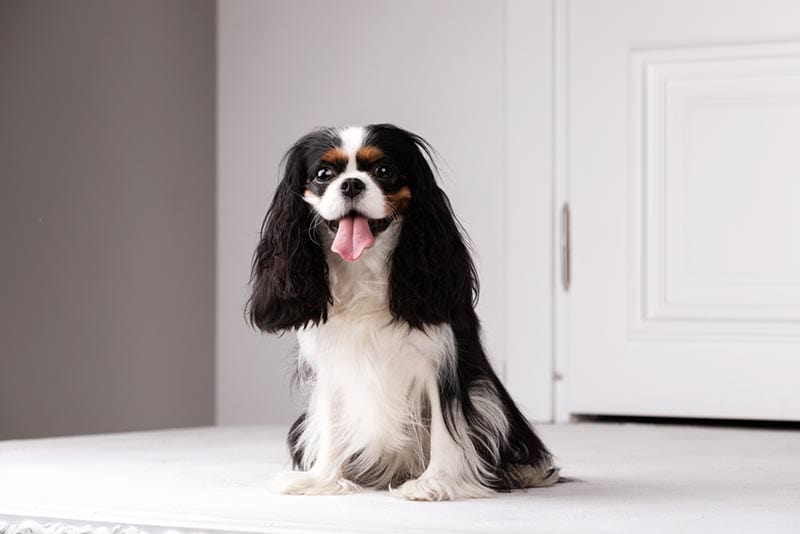
Are you considering adding a Cavalier King Charles Spaniel to your family? Often described as the ultimate lap dog, the Cavalier‘s sweet face and gentle disposition have won the hearts of dog lovers around the world. However, like any breed, they have their advantages and disadvantages. As a veterinarian and spaniel enthusiast myself, I‘d like to share an honest look at the pros and cons of Cavalier ownership to help you decide if this regal little spaniel is the right fit for your household and lifestyle.
First, let‘s highlight some of the most appealing aspects of the Cavalier King Charles Spaniel:
-
Affectionate and Devoted Companion
Cavaliers are known for their exceptionally sweet, gentle nature. They adore being with their humans and thrive on affection and companionship. If you‘re looking for a loyal friend to cuddle up with on the couch or follow you from room to room, the people-oriented Cavalier may be your ideal match. They tend to be friendly and polite with everyone they meet rather than being one-person dogs. -
Intelligent and Easy To Train
In addition to being eager to please, Cavaliers are quite intelligent, making them a joy to train. They respond very well to positive reinforcement methods and excel in canine activities like obedience, rally, and therapy work. While no dog is perfect, Cavaliers are generally quick learners and well-behaved once trained and socialized properly. -
Adaptable To Many Living Situations
Standing 12-13 inches tall and weighing just 13-18 pounds, the portable size of Cavaliers allows them to adapt to many different living situations, from apartments to spacious homes. They are relatively quiet indoors and don‘t require a huge amount of outdoor space as long as they get a couple of walks and some playtime each day. This adaptability makes them a good potential fit for city dwellers, jet-setters who travel frequently, and seniors alike. -
Easy To Groom
With their silky, medium-length coat, Cavaliers are fairly low-maintenance in the grooming department compared to some longhaired breeds. While they do shed moderately and require brushing a few times a week, they don‘t need extensive clipping or professional grooming to stay neat and clean. An occasional bath and regular brushing is usually sufficient. -
Good With Kids, Dogs and Other Pets
Known for their patient, playful attitude and amiable nature, Cavaliers can make wonderful companions for families with gentle, respectful children. They generally get along well with other dogs and can even coexist peacefully with cats if raised with them from a young age. Proper introductions and supervision are important with any breed, of course.
However, no breed is perfect, and Cavaliers do have some potential downsides that are important for any prospective owner to be aware of:
- Prone To Certain Health Issues
Unfortunately, like many purebred dogs, Cavaliers are predisposed to certain hereditary health problems. Some of the most serious issues affecting the breed include mitral valve heart disease, which can lead to heart failure, and syringomyelia, a neurological condition where fluid-filled cavities develop in the spinal cord near the brain.
Cavaliers are also prone to eye problems, ear infections, knee issues like luxating patellas, and hip dysplasia. Obesity is common and can exacerbate health problems, so close attention to diet and exercise is a must. Researching breeders, lines and health testing is critical for getting the healthiest possible puppy.
- Can Suffer From Separation Anxiety
The devoted, people-oriented nature of Cavaliers is generally a positive trait, but the flip side is that they can become overly dependent on human companionship. If left alone frequently or for long periods, they may develop separation anxiety and engage in unwanted behaviors like barking, howling, chewing or house soiling.
Cavaliers do best with owners who are home often and are willing to take them along to many outings rather than leaving them alone. If you work long hours or travel without your dog frequently, a Cavalier may not be the ideal choice unless you can make arrangements for companionship in your absence.
-
Prone To Chasing Small Animals
Even though they look like adorable little lapdogs, Cavaliers are spaniels at heart with hunting ancestry. They have strong instincts to chase after smaller animals that run away, including backyard wildlife, neighborhood cats and even other small dogs at times. A securely fenced yard and keeping your Cavalier on leash in unfenced areas is advisable to prevent them from taking off after tempting prey. -
Can Be Challenging To Housebreak
While Cavaliers are intelligent and relatively easy to train overall, housebreaking is one area where some owners struggle with the breed, especially as puppies. Cavaliers can be resistant to going potty in poor weather and some develop a preference for using soft indoor surfaces like rugs or beds. Crate training and adhering to a consistent house training schedule with frequent potty breaks and rewards for outdoor elimination can help overcome these issues. -
Require Frequent Companionship
Cavaliers truly thrive on human attention and affection. While their portability is convenient in many ways, it also means they need to accompany their owners to most places rather than being left at home for hours on end. If you work long hours, travel frequently or have a very active lifestyle that doesn‘t often include your dog, a Cavalier may develop behavior problems or become stressed and unhappy.
Now that we‘ve covered some key pros and cons of the breed, here are some important things for potential Cavalier owners to keep in mind:
-
Research the health issues affecting Cavaliers extensively and only purchase from reputable breeders who test breeding stock for genetic problems. Be prepared for potential veterinary expenses down the road.
-
Cavaliers require a lot of companionship and do best with owners who are home often and include their dog in much of their daily life. If your lifestyle isn‘t conducive to that, another breed may be a better match.
-
Commit to giving your Cavalier plenty of attention, affection and positive training to build a strong bond and bring out the best in them. Keep training sessions short and fun.
-
Feed your Cavalier a healthy diet and provide adequate exercise through walks and playtime to prevent obesity. Monitor their weight closely.
-
Be very cautious about letting your Cavalier off leash in unfenced areas due to their inclination to chase small animals. A securely fenced yard or play area is ideal.
-
Give your Cavalier their own cozy safe space at home, but avoid leaving them alone for hours on end or they may develop separation anxiety. Consider a pet sitter or dog walker if you must be gone for extended periods.
-
Start socialization and training early and be consistent with housebreaking. Crate training can be a helpful tool for this breed.
-
Regular grooming is important to prevent mats and keep your Cavalier‘s coat silky and healthy. Brush a few times a week and bathe as needed. Don‘t neglect dental care and ear cleaning.
-
Be prepared for some shedding and possibly a bit of drooling from time to time. Regular brushing and a healthy diet can help minimize these issues.
In conclusion, the Cavalier King Charles Spaniel‘s many positive attributes have made it an increasingly popular breed in recent decades. Their sweet, gentle nature and convenient size allows them to bring joy to dog lovers in all kinds of households.
However, it‘s critical for potential owners to research the breed extensively and make sure their lifestyle is truly compatible with the Cavalier‘s needs. Most importantly, finding a responsible breeder who conducts health testing on their lines is an absolute must to stack the odds in favor of getting a healthy pet.
If you can commit to giving a Cavalier the companionship, care and attention they crave, you will be rewarded with an adoring best friend and family member like no other. By being realistic about the breed‘s potential health issues and other challenges while celebrating their many wonderful traits, you will be well on your way to a successful relationship with a Cavalier should you choose to welcome one into your life.