
Don‘t Underestimate Your Socks! An Insider‘s Guide to Finding Your Perfect Pair
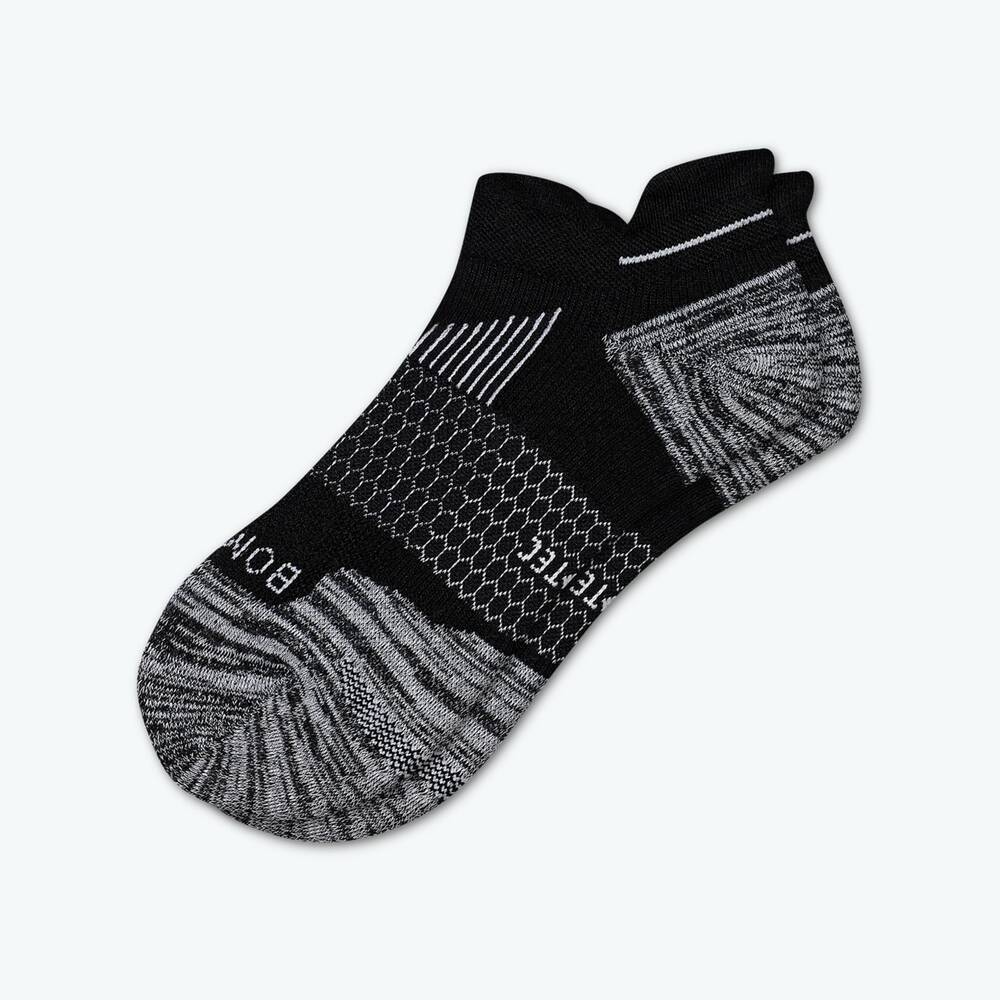
As an avid runner who logs 30-40 miles each week, I‘ve tested just about every brand of running socks out there. I‘ve experienced the good, the bad, and the outright ugly when it comes to keeping my feet happy over long distances.
It took me years of sore heels, rubbed raw toes and blistered hot spots before I wised up. I learned the hard way about things like "black toenail" and exactly how crucial properly fitted, thoughtfully constructed socks are.
Now, over a decade later and thousands of miles wiser, sock selection is just as important to me as my shoes. The right pair makes hard efforts feel effortless. So I‘m excited to share everything I wish I knew back when I first laced up!
In this guide, you‘ll discover:
- Key sock features that reduce irritation and prevent injuries
- How to select the best sock type for your foot anatomy
- Top brand recommendations across budgets and categories
- Expert insight on construction characteristics that enhance comfort
- An interactive worksheet to identify your perfect match
My goal is to help you avoid the painful sock mistakes that many runners make early on. Let‘s level up your sock game so feet can feel fresh mile after mile!
Why Proper Running Sock Selection Matters
Many new runners don‘t put much thought into their sock selection early on. I certainly didn‘t! I‘d just grab any old pairs out of my dresser without much inspection.
But after developing irritating hot spots that graduated to large painful blisters around my heels and arches, I realized my sock choice deserved more consideration.
"I just chalked it up new shoe break-in at first. But when throbbing toe pain kept me awake at night, I realized something else was wrong."
A sports medicine doctor I saw about my issues delicately asked to examine the socks I‘d been running in. His seasoned eye immediately spotted some troublesome patterns:
- Poor fit – Old stretched out socks allowed too much internal foot movement and friction, causing blister irritation
- Insufficient padding – With minimal cushioning around pressure points, my feet took the brunt of each hard pavement impact leading to pain
- Moisture trapping fabrics – Cotton material held sweat against my skin instead of wicking it away, promoting blister causing bacteria growth
- Seam placement – Prominent seams on toe and heel areas rubbed relentlessly, creating hot spots
Armed with this sock education, I replaced my awful old pairs with properly fitting running socks focused on moisture wicking, targeted padding and seamless construction. The improvement was literally night and day!
So don‘t make the same painful mistake I did early on. Spend some time researching sock features and brands to find options catering to your specific running environment and foot needs.
Next, we‘ll break down exactly what to look for in your running sock search.
Keys Areas to Evaluate in Running Sock Construction & Fit
Running socks may seem pretty basic on the surface. But they‘re actually designed and engineered based on scientific evaluation of foot mechanics and injury risk factors.
By selecting options catering to your individual needs and foot anatomy, you‘ll run more comfortably while also reducing irritation and overuse strains.
Here are some construction characteristics and fit considerations I prioritize in my running sock selections:
Moisture Wicking Fabric Technologies
Sweaty feet create a recipe for blister disaster over miles. Moisture softens skin, raises friction and promotes microbes that break down protective barriers. That‘s why effective moisture wicking technologies are essential in running socks.
Many athletic socks incorporate synthetic technical fabrics like polyester or nylon that naturally wick moisture better than cotton. Some also apply anti-odor silver ions or mesh vent panels to combat bacteria and speed evaporation.
During summer marathon training, I choose ultra lightweight socks focused heavily on breathability like Feetures to keep swamp foot at bay even on 20+ mile sessions. But during cold winter runs, I may prioritize insulation and cushioning over drying speed.
Key Takeaway: Seek moisture wicking technical fabrics for sweat mitigation, odor resistance and blister prevention. But also consider environment (hot vs cold weather) and adjust sock choice accordingly.
Targeted Cushioning Zones
Running gait analysis shows particular high impact zones based on foot anatomy and stride mechanics. Smart running sock brands target cushioning and padding to protect these vulnerable pressure points.
Common zones include:
- Forefoot & toes – Absorbs repetitive push off forces during toe-off
- Balls of feet – Mitigates pounding pressure each step
- Heels – Cushions downward shock as heel strikes ground
- Arches – Provides support to prevent collapse and strain
This strategic cushioning approach protects natural movement and impact zones without unnecessary bulk in low stress areas.
A podiatrist explained that years of under-cushioned socks contributed to my chronic heel pain and plantar fasciitis. Upgrading to targeted cushioning socks helped resolve these issues by reducing cumulative impact forces.
Key Takeaway: Seek reinforced padding in key zones like heels, balls of feet and toe box while avoiding thin, unsupportive fabrics.
Seamless Toe Box Area
Traditional socks have seams connecting fabric panels across the toes. These ridges relentlessly rub and press into toes with each step. This friction risks blister development or even blackened, bruised toenails in severe cases.
That‘s why I always check for a seamless toe box area when shopping for running socks. This reinforced smooth zone eliminates irritation potential through a unified single panel fabric across the toes.
I used to get black toenails frequently before switching to seamless toe socks like Balega. Now I can avoid that painful hassle!
Key Takeaway: Seek seamless toe box construction for blister and irritation prevention, especially if prone to black nails.
Arch Support & Midfoot Compression Elements
The arch of your foot is a vulnerable collapse point without sufficient compression and support around the midfoot. Features like elastic arch bands, stability guides and ergonomic midfoot hugging construction help secure this delicate area.
This avoids loose sock slippage while still preventing uncomfortable squeezing behind the ankle. Graduated compression and stability guidance are common approaches in medical socks to optimize blood flow and reduce strain.
A running coach explained that even mild pronation worsens over miles without arch stability. He suggested trying stability focused socks to support my flat feet arch vulnerability. It made a notable difference in fatigue!
Key Takeaway: Evaluate arch and midfoot compression elements to ensure optimal stabilization and circulation without restricting behind ankle or across forefoot.
How To Select The Best Sock Type For Your Foot Anatomy
Beyond cushioning and fabric factors, the specific size and shape of your feet must guide running sock selections. Options now exist tailored for both foot proportions and anomalies.
For example, some socks have:
- Separate toe sleeves to eliminate friction and irritation for close-set toes
- Reinforced heel pads to prevent Achilles rubbing for low-ankled feet
- Extended toe boxes suiting long first toes prone to jamming
- Targeted compression supporting flat arches or high arches
- Extra forefoot volume suits wide toe boxes and swelling
Rather than settling for a generic fit, find socks customized for your foot anatomy! I suggest this quick checklist to filter options catering to your foot specifics:
✓ Narrow feet
✓ Wide feet
✓ High arches
✓ Flat arches
✓ Small/short toes
✓ Long first toes
✓ Low ankles/heels
✓ High instep/instep pronation
✓ Forefoot bunion/tailors bunion
For key flagged areas, seek out socks with relevant stabilization, irritation defense and tailored shape elements. Then try before buy and tweak from there!
Getting dialed sock fit makes all the difference in achieving that "floating on clouds" feeling over long distances. So take some time to experiment across brands and styles to determine your Goldilocks pair!
Top Running Sock Recommendations Across Categories
We‘ve covered how to shop for socks based on features and unique foot needs. Now let‘s get into my top specific sock model recommendations!
I bucket my suggestions across categories spanning budgets, material preferences and running environments. See the quick reference table below to jump around:
| Category | Top Pick | Runner Up | Honorable Mention |
|---|---|---|---|
| Overall Favorite | Balega Hidden Comfort | Darn Tough No Show Light | Feetures High Performance |
| Cushioning & Padding | Thorlo Experia XCCU | DryMax Run Hyper Thin | Swiftwick Vision Five |
| Minimalist Choice | Injinji Run Lightweight | Balega Ultraglide | WrightSock Stride |
| Warm Weather Wicking | Feetures Elite Light Cushion | Swiftwick Aspire Zero | Rockay Accelerate |
| Cold Weather Warmth | Smartwool PhD Run Light Elite | Darn Tough Light Cushion | People Socks Merino |
| Wide Toe Box | Injinji Trail Midweight | DryMax Extra Volume | Bombas Cushioned |
| Narrow Feet | Feetures Elite Ultra Light | Swiftick Fit Five | CEP Ultralight |
| Budget Friendly | Under Armour Essentials | Saucony Performance | ASICS Cushion Low Cut |
| Long Distance/Recovery | Zensah Tech Plus | Physix Gear Compression | CEP Recovery+ |
Now let‘s get into detail on my favorites and why I recommend adding them to your running sock lineup!
Overall Favorite: Balega Hidden Comfort
My top overall pick that I keep coming back to across years is the Balega Hidden Comfort running sock. Time and time again they‘ve nailed durability, comfort and seamless protection mile after mile.
I particularly love the reinforced heel and toe for preventing wear and tear while the plush cushioning keeps my plantar fasciitis heel pain at bay. The seamless toe construction also avoids my black toenail woes!
At a middle price point, their longevity balances out costs over time too. I easily get 1-2 years of frequent wear before replacement. If blister prevention and supreme comfort are top priorities, you can‘t go wrong with Balega Hidden Comfort!
Balega Hidden Comfort Running Sock
- Seamless reinforced toe box
- Padded heel and sole
- Medium cushioning throughout
- Mesh ventilation panels
- Moisture wicking fabric
Runner Up: Darn Tough Coolmax Vertex Tab No-Show
For a lightweight, breathable sock with slim fit I suggest Darn Tough‘s Coolmax no show running sock. Despite the thin profile, heels and toes stay protected thanks to dense padding zones.
The merino wool blend naturally resists odor while wicking moisture to keep feet comfy across long summer miles. I will say sizing runs small, so size up if between sizes.
While expensive, Darn Tough‘s lifetime guarantee ensures you‘ll get your money‘s worth from these hard working socks. Definitely try them if low profile comfort is your priority!
Darn Tough Coolmax Vertex No Show Tab
- Lightly cushioned padded sole
- Reinforced heel and toe box
- Seamless toe construction
- Odor fighting merino wool
- Mesh ventilation knit panels
- Snug athletic fit
Honorable Mention: Feetures High Performance Light Cushion No Show Tab
For the ultimate lightweight breathability sock, I highly recommend Feetures. The ultra thin construction and massive mesh ventilation zones make these ideal for hot conditions where moisture control is key.
I save Feetures for peak summer running when foot swelling and sweat are unavoidable nemeses even on short runs. The stretchy mesh contours swollen feet post-run better than most options too.
Just keep in mind the compromised padding compared to heavier cushioned picks. So if you need ample impact absorption, consider alternate options. But for airy, breathable mileage, Feetures delivers in spades!
Feetures High Performance No Show
- Lightweight single layer mesh upper
- Massive ventilation zones
- Seamless smooth toe box
- snug heel pocket tab
- Minimal yet strategic padding
Targeted Cushioning & Padding: Thorlo Experia XCCU
For ample cushioning and supersized padding, I suggest Thorlo Experia socks. With extra reinforcement from heels to toes, these rugged socks shield feet from pounding pavement damage across high mileage training cycles.
I lean on Thorlos during peak marathon prep when cumulative impact forces make every step painful. They dampen joint shock despite a bulky feel. My podiatrist also recommends them for plantar fasciitis and other impact exacerbated foot pains.
Just size up if between sizes, as the substantial padding reduces internal volume a bit. But for ultimate cushioning, Thorlo Experia protects vulnerable feet!
Minimalist: Injinji Trail 2.0 Lightweight No Show
For runners prone to blisters between toes, Injinji offers a uniquely effective solution – individual toe sleeve construction to eliminate skin on skin friction!
It takes an adjustment from typical socks. But the five finger fit grows on you quickly. By separating digits, hot spots get eliminated across forefeet for irritated runners.
I suggest trying their lightweight Trail style first as an intro before diving into thicker options. The novel foot hugging feel isn‘t for everyone but just might be the perfect match you‘ve been seeking!
Warm Weather Wicking: Feetures Elite Light Cushion No Show Tab
When summer swamp foot threatens to sabotage a run, I reach for Feetures Elite Light Cushion socks. The massive mesh ventilation zones and ultra lightweight single layer upper breathe remarkably well.
I save these well ventilated socks for hot weather race days when blister prevention and moisture control take priority over padding and support. Drenched feet stay comfy thanks to the thin seamless fit.
If you need stability guidance or ankle compression, other options may suit better. But for unbeatable airflow and drying power, check out Feetures!
Winter Warmth: Darn Tough Vertex Tab Ultra-Light Cushion
Hitting the roads when temperatures dip below freezing demands both insulation and moisture management. My top choice for toasty toes without overheating comes from Vermont sock artisans Darn Tough.
The Merino wool blend retains heat when wet far better than synthetic fabrics. I stay cozy but dry hopping through slushy puddles! The padded sole takes the bite out of frozen ground impacts too.
While expensive, Darn Tough Vermont socks come with a lifetime guarantee I‘ve used successfully. So you‘re truly investing in years of winter running warmth! When it comes to staying active through the coldest months, these socks empower you to embrace frigid temps in comfort.
Key Takeaways – Finding Your Perfect Running Sock Match
We‘ve covered specialized features, expert insight, top rated brands and foot type considerations in selecting ideal running socks. Walk away with these essential tips in mind:
Don‘t Underestimate Sock Importance
Proper construction and materials optimize comfort and prevent painful issues like blisters and black toenails over miles.
Seek Targeted Cushioning & Seamless Toes
Strategic padded zones protect vulnerable pressure points while seamless toes prevent hot spots.
Match Sock Choice To Your Foot Type & Environment
Consider proportions, common irritation areas and running conditions like heat or cold.
Experiment to Find Your Preference Sweet Spot
Try different brands and styles to hone in on the perfect fit catering to your needs.
Hopefully this guide gave you a helpful framework for seeking out your new favorite running socks! Let me know if any other questions come up. Happy running and enjoy those fresh socks!


