Unleashing Creativity with Serverless APIs: Segmind and Stable Diffusion
The world of artificial intelligence is rapidly evolving, and one of the most exciting developments in recent years has been the rise of stable diffusion models. These powerful generative AI systems can create stunning images, artwork, and designs from simple text descriptions. And with the advent of serverless APIs, it‘s easier than ever for developers to harness the creative potential of stable diffusion in their own applications.
In this in-depth guide, we‘ll explore the concept of serverless APIs and how they‘re revolutionizing the way developers work with AI models like stable diffusion. We‘ll also take a closer look at Segmind, a leading provider of serverless stable diffusion APIs, and show you how to get started with their powerful tools and integrations. Whether you‘re an experienced machine learning engineer or a curious developer looking to explore the possibilities of generative AI, this article will provide you with the knowledge and practical skills you need to start building incredible apps with stable diffusion. Let‘s dive in!
Understanding Serverless APIs
Before we get into the specifics of stable diffusion and Segmind, let‘s take a step back and clarify what we mean by "serverless APIs". In traditional web development, building an API often required provisioning and maintaining your own servers to handle requests and serve responses. This could be complex, time-consuming, and expensive, especially as your API scaled to handle more traffic.
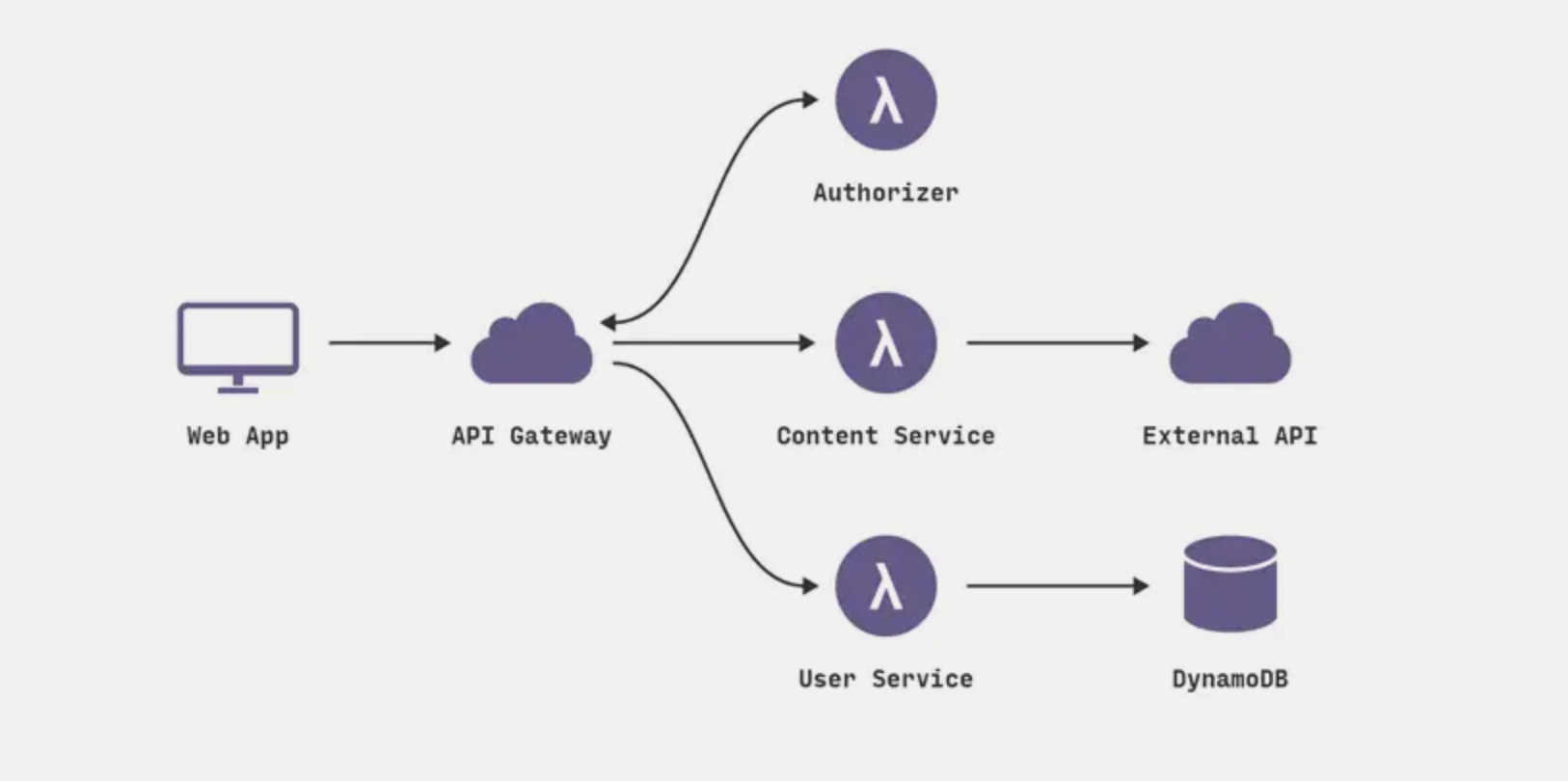
Serverless computing changed all that. With serverless architecture, the cloud provider dynamically manages the allocation and provisioning of servers. Developers simply deploy their code, and the serverless platform handles the rest, scaling up or down to match demand. This means no more worrying about infrastructure, paying only for the actual amount of resources consumed by your applications.
Serverless APIs take this a step further. Rather than building and deploying your own API from scratch, you can leverage pre-built APIs that run on serverless platforms, abstracting away all the underlying complexity. These APIs are highly scalable, cost-effective, and easy to use – perfect for adding powerful functionality to your apps without the overhead of managing servers.
Some key benefits of serverless APIs include:
-
Automatic scaling to handle any level of traffic, with no need to manually adjust server capacity.
-
Significantly lower costs, as you only pay for the actual execution time and resources consumed by your API calls.
-
Simplified development and deployment, with minimal configuration required to get up and running.
-
Improved latency and performance, as serverless platforms can run your code in the optimal location close to end users.
-
Easy integration with other services and tools, with support for a wide range of programming languages and frameworks.
With serverless APIs, the possibilities are endless – and that‘s especially true when it comes to working with advanced AI models like stable diffusion. Let‘s take a look at what makes these models so powerful.
The Magic of Stable Diffusion Models
If you‘ve spent any time on social media lately, chances are you‘ve seen some of the incredible artwork and images being generated by AI systems like DALL-E, Midjourney, and Stable Diffusion. These tools, known as "generative AI" or "creative AI", use advanced machine learning techniques to create original content based on text descriptions, or "prompts".
Stable diffusion models are a type of generative AI that‘s particularly well-suited for creating high-quality, diverse images. Unlike earlier approaches, which often produced blurry or inconsistent results, stable diffusion is able to generate crisp, coherent, and highly realistic images that match the semantics of the input prompt.
Some common use cases for stable diffusion include:
- Generating concept art, product designs, and architectural renderings
- Creating marketing and advertising visuals
- Designing characters, creatures, and environments for games and films
- Producing unique avatars and profile pictures for social media
- Enhancing and modifying existing photos and artwork
- Aiding artists and designers with inspiration and ideation
The key to stable diffusion‘s success lies in its training process. The model is trained on massive datasets of labeled images, learning to understand the relationships between different visual concepts. By conditioning the model on textual descriptions during training, it learns to associate specific words and phrases with corresponding visual elements.
To generate an image from a prompt, the model starts with random noise and iteratively refines it to match the semantics of the prompt. This process, known as "diffusion", allows the model to explore the space of possible images and converge on a final result that‘s both visually realistic and semantically relevant.
While the inner workings of stable diffusion are complex, the advent of serverless APIs has made it easier than ever for developers to leverage these models in their own projects. And that‘s where Segmind comes in.
Introducing Segmind: Serverless Stable Diffusion APIs
Segmind is a leading provider of serverless APIs for generative AI, specializing in stable diffusion models. Their APIs allow developers to quickly and easily integrate state-of-the-art image generation capabilities into their applications, without the need for extensive machine learning expertise or infrastructure.
Some key features of Segmind‘s APIs include:
- Support for a variety of stable diffusion models, including text-to-image, image-to-image, and semantic editing
- Easy integration with popular programming languages and frameworks, including Python, Node.js, and more
- Flexible customization options, including the ability to fine-tune models on your own data
- Detailed documentation and code samples to help you get started quickly
- Generous free tiers and usage-based pricing to fit any budget
To use Segmind‘s APIs, you‘ll first need to sign up for an account and obtain an API key. Once you have your key, you can start making API calls to generate images from your own prompts. Here‘s an example of how to use Segmind‘s text-to-image API with Python:
from segmind import Segmind

api_key = "your-api-key-here"
prompt = "a majestic lion sitting on a throne, digital art"

segmind = Segmind(api_key)
image = segmind.generate_image(prompt)

image.save("lion_throne.png")
In this example, we first import the Segmind library and initialize a client with our API key. We then define a prompt describing the image we want to generate – in this case, a majestic lion sitting on a throne, styled as digital art.
Next, we call the generate_image method with our prompt, which sends a request to Segmind‘s API to generate the image. The API returns the generated image data, which we can save to a file or display in our application.
Segmind also provides APIs for more advanced use cases, such as image-to-image generation (modifying an existing image based on a prompt) and semantic editing (making targeted changes to specific parts of an image). These APIs allow for even more creative possibilities and flexibility.
Of course, getting the most out of stable diffusion requires more than just making API calls. Let‘s look at some best practices for prompt engineering to help you generate the best possible results.
Prompt Engineering: The Art of Asking for What You Want
One of the most important aspects of working with generative AI is crafting effective prompts. The quality and specificity of your prompts can greatly impact the results you get back from the model. Here are some tips and tricks to keep in mind:
-
Be specific and descriptive. The more detail you can provide about the image you want to generate, the better. Don‘t just say "a dog" – describe the breed, size, color, pose, setting, style, and any other relevant details.
-
Use clear and concise language. Avoid vague or ambiguous terms that could be interpreted in different ways. Be direct and to the point.
-
Provide context and relationships. If your image involves multiple subjects, specify how they relate to each other in the scene. For example, "a cat chasing a mouse" vs. "a cat and a mouse".
-
Include stylistic details. If you have a particular art style or medium in mind, mention it in the prompt. This could include terms like "photorealistic", "watercolor painting", "3D render", etc.
-
Experiment with different phrasings. Sometimes using a slightly different word or phrase can yield very different results. Don‘t be afraid to try multiple variations of your prompt to see what works best.
-
Use negative prompts. In addition to describing what you want in the image, you can also specify what you don‘t want to help steer the model away from undesired elements.
-
Iterate and refine. If the generated image isn‘t quite what you had in mind, try modifying your prompt and generating again. You can also use image-to-image APIs to make more targeted changes.
With practice and experimentation, you‘ll develop an intuition for what kinds of prompts work well with stable diffusion models. The key is to find the right balance of specificity and flexibility to allow the model‘s creativity to shine through.
Security Considerations for Serverless APIs
While serverless APIs offer many benefits in terms of ease of use and scalability, it‘s important to be aware of potential security risks and take appropriate precautions. Here are some key considerations to keep in mind when working with APIs like Segmind‘s:
-
Protect your API keys. Your API key is essentially a password that grants access to your account and resources. Be sure to keep it secure and never share it publicly. If you suspect your key may have been compromised, regenerate it immediately.
-
Use authentication and authorization. Ensure that only authorized users and applications can access your API endpoints. Segmind provides support for token-based authentication to help secure your requests.
-
Validate and sanitize inputs. Be cautious about passing user-generated content directly to the API without proper validation and sanitization. Malicious users could potentially try to inject harmful prompts or overload the API with excessive requests.
-
Monitor usage and set limits. Keep an eye on your API usage and costs, and set appropriate rate limits and quotas to prevent abuse and unexpected charges. Segmind provides tools for monitoring and controlling your usage.
-
Use secure communication channels. Always use HTTPS for encrypting API requests and responses in transit. Avoid sending sensitive data over unencrypted channels.
-
Keep your dependencies up to date. Regularly update any libraries or frameworks you use to integrate with the API, as well as your own application code, to ensure you have the latest security patches and fixes.
By following these best practices and staying vigilant, you can help ensure that your use of serverless APIs is secure and reliable.
The Future of Serverless AI APIs
As generative AI continues to advance at a rapid pace, we can expect to see even more powerful and flexible serverless APIs in the coming years. Some potential developments to watch for include:
- More specialized and fine-tuned models for specific domains and use cases, such as product design, architecture, fashion, and more.
- Improved multi-modal models that can generate content across different formats, such as text, images, audio, and video.
- Greater customization and control over model outputs, allowing developers to fine-tune results to their exact specifications.
- Easier integration with other AI services and tools, such as natural language processing, computer vision, and more.
- Lower costs and higher efficiency as the underlying technologies continue to mature and scale.
As these advancements unfold, serverless APIs will make it easier than ever for developers to build intelligent, creative applications that leverage the power of generative AI. And with providers like Segmind leading the way, the future looks bright indeed.
Frequently Asked Questions
-
What is a stable diffusion model?
A: Stable diffusion models are a type of generative AI that can create high-quality, diverse images from textual descriptions or "prompts". They are trained on large datasets of labeled images and use a diffusion process to iteratively refine random noise into coherent, realistic images that match the semantics of the input prompt. -
How do I get started with Segmind‘s APIs?
A: To get started with Segmind, sign up for an account at segmind.com and obtain an API key. Then, choose your preferred programming language and framework, and follow the documentation and code samples provided by Segmind to start making API calls and generating images. -
What kind of results can I expect from stable diffusion models?
A: Stable diffusion models are capable of generating a wide variety of highly realistic and creative images, from photorealistic scenes and objects to stylized artwork and abstract designs. The quality and specificity of the results will depend on the quality and specificity of your input prompts, as well as the particular model and settings used. -
Are there any limitations or restrictions on using Segmind‘s APIs?
A: Segmind provides generous free tiers and usage-based pricing to accommodate different needs and budgets. However, there are some limits and restrictions to be aware of, such as rate limits and content policies. Be sure to review the terms of service and acceptable use policy before using the APIs. -
Can I use Segmind‘s APIs for commercial projects?
A: Yes, Segmind‘s APIs can be used for both personal and commercial projects, subject to the terms and conditions of the service. However, it‘s important to note that you are responsible for ensuring that your use of the generated content complies with all applicable laws and regulations, such as copyright and trademark law.
Conclusion
Serverless APIs and stable diffusion models are a powerful combination that‘s opening up new possibilities for creative and intelligent applications. With providers like Segmind making it easier than ever to integrate these technologies into your projects, there‘s never been a better time to start exploring the potential of generative AI.
Whether you‘re a seasoned developer looking to add cutting-edge capabilities to your applications, or a curious creative looking to experiment with new tools and techniques, serverless stable diffusion APIs offer a wealth of opportunities. By following best practices for prompt engineering and security, and staying up-to-date with the latest advancements in the field, you‘ll be well-equipped to create stunning and innovative content that pushes the boundaries of what‘s possible.
So why wait? Sign up for Segmind today and start unleashing your creativity with the power of serverless stable diffusion!