The Bea Griffon: Is This Loyal Lapdog Your Perfect Match?
Are you looking for a small, affectionate dog to be your devoted companion? Do you live in an apartment or have a low-key lifestyle? If so, the Bea Griffon—a cross between a Brussels Griffon and a Beagle—might be your perfect match. This adorable mixed breed has been gaining popularity over the past decade, thanks to their loving nature, adaptability to apartment living, and undeniably cute appearance. However, they aren‘t the right fit for everyone. Here‘s everything you need to know about the appearance, temperament, care needs, ideal home, and more for the Bea Griffon.
The Rise of the Bea Griffon
Bea Griffons are a relatively new arrival on the canine scene, so you won‘t find as much history on them as for long-established purebreds. These little dogs originated as an intentional cross between two very different breeds: the Brussels Griffon and the Beagle.
Brussels Griffons are tiny toy dogs known for their expressive, almost human-like faces, big personalities, and devoted attachment to their owners. These clever and affectionate dogs were originally bred in Belgium in the 1800s to catch rats in stables. Over time, they transitioned to being beloved companion dogs, especially popular with noblewomen. Today, they rank 98th out of 197 breeds in popularity according to the American Kennel Club.
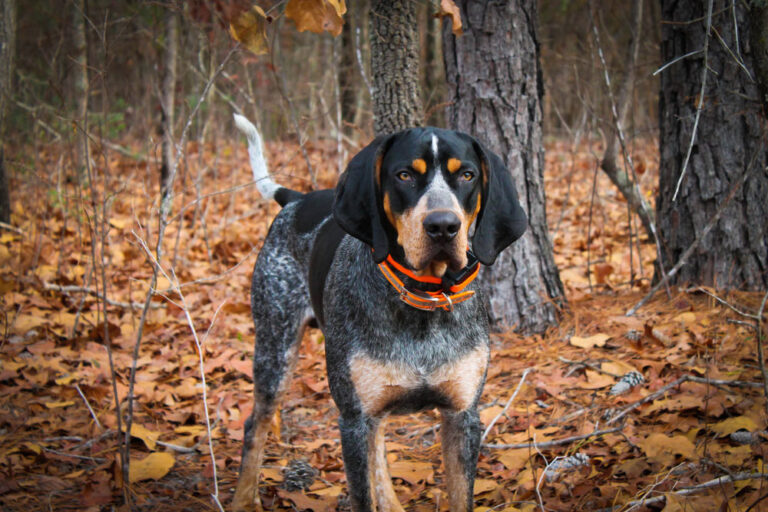
Beagles, on the other hand, are small scent hounds originally bred in England to hunt rabbits and other small game. They are known for being playful, curious, and having an incredible sense of smell. Beagles tend to be very food-motivated, which is helpful for training but means they are prone to obesity if their diet isn‘t carefully managed. They rank 7th in popularity in the US and have consistently been in the top 10 for decades.
Crossbreeding these two purebreds results in a small companion dog who usually inherits a mix of both parents‘ looks and personality traits. Bea Griffons are just one of many "designer dog" breeds to emerge in the past 20-30 years. The popularity of mixed breed dogs, especially crosses between two purebreds, has soared. From 2000-2020, the percentage of newly registered dogs with the AKC that were purebred dropped from 96% to 83%.
Fans of mixed breeds like the Bea Griffon love that they can get the best traits of two different breeds in one dog. There‘s also often an idea that mixed breeds are healthier than purebreds due to having more genetic diversity—the so-called "hybrid vigor" theory. However, the scientific evidence is mixed on whether this holds true. Experts emphasize that it depends on the health of the parent breeds and the traits they pass along. Responsible breeders of both purebreds and mixed breeds prioritize health above all else.
Bea Griffon Appearance
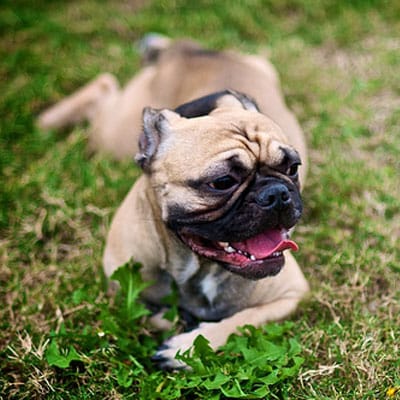
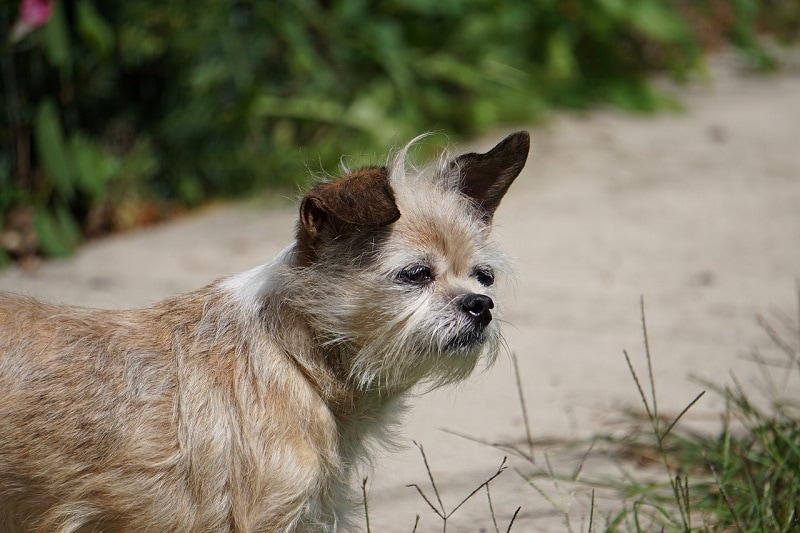
So what does a Bea Griffon look like? As with any mixed breed, appearance can vary quite a bit from one dog to the next depending on which parent breed they favor. In general, Bea Griffons are small dogs, typically standing 8-15 inches tall at the shoulder and weighing 12-24 pounds when fully grown. They tend to have a sturdy, compact build that‘s a blend of the Beagle‘s athletic body and the Brussels Griffon‘s more rounded shape.
Their coat is usually short and smooth, though some may have a hint of the Griffon‘s wiry texture. Shedding is moderate—you‘ll want to brush them a couple times a week to keep loose hair under control. Coat colors can include various shades and combinations of black, tan, red, white, and brown. Some Bea Griffons may inherit the black mask or red coloring common in Brussels Griffons, while others have the classic tricolor or red and white markings of a Beagle.
Here‘s a quick comparison of the Bea Griffon to their parent breeds:
| Trait | Bea Griffon | Brussels Griffon | Beagle |
|---|---|---|---|
| Height | 8-15 inches | 7-10 inches | 13-15 inches |
| Weight | 12-24 pounds | 8-12 pounds | 20-30 pounds |
| Coat Type | Short, smooth, sometimes wiry | Wiry or smooth | Short, dense, hard |
| Colors | Vary, often a mix of black, tan, red, white, brown | Red, black & tan, black & reddish brown, solid black | Tricolor, red & white, lemon & white |
| Grooming | Brushing 2x week | Brushing 2-3x week, stripping coat (wire) or clipping (smooth) | Brushing 1-2x week |
| Shedding | Moderate | Minimal (wire), Moderate (smooth) | Moderate |
Bea Griffon Temperament
When it comes to temperament, Bea Griffons are first and foremost companion dogs. They love nothing more than being with their favorite humans, whether that means snuggling on the couch for a Netflix binge or tagging along on errands and adventures.
These affectionate dogs typically bond very closely with one special person in the household. Sally Harper, a long-time Brussels Griffon breeder who has also bred several litters of Bea Griffons, says, "They tend to pick their person and will follow them everywhere. Beas make wonderful companions for people who want a devoted little shadow."
But that doesn‘t mean they don‘t have affection to go around. Bea Griffons can still be very loving with other family members, including kids. However, because of their small size, they can easily be injured by clumsy toddlers. Older children who know how to gently interact are a better fit.
While generally good-natured, Bea Griffons can be a bit aloof or hesitant with strangers, especially if they aren‘t well socialized. Some may even be prone to fear-based defensive snapping if pushed too far out of their comfort zone. Reputable breeders work hard to select for friendly, confident temperaments. But it‘s still essential for owners to prioritize early and ongoing socialization to help Bea Griffons feel at ease in a variety of situations.
Katy Merritt, who has owned three Bea Griffons, advises, "They‘re smart little dogs, but they can also be sensitive. The more positive experiences you expose them to from a young age—meeting new people and dogs, going to new places, hearing new sounds, and so on—the better adjusted they‘ll be as adults. Make it fun for them with plenty of praise and yummy treats."
Despite their small size, many Bea Griffons have a surprisingly big bark that they‘ll use to alert you of anything unusual, from a squirrel in the yard to a package arriving on your doorstep. While Beagles are often described as having a musical bay, Bea Griffons tend to have a deep, raspy bark more reminiscent of their Brussels Griffon lineage.
Exercise and Care
When it comes to exercise, Bea Griffons‘ needs are moderate. They aren‘t the type of dog that will run for miles by your side or fetch a ball until they collapse. But they do need a daily walk of at least 20-30 minutes and some additional playtime to stay happy and healthy.
While a safely fenced yard is a convenient bonus, it‘s not a necessity as long as Bea Griffons get enough exercise via leash walks and indoor games. In fact, these dogs often do quite well in apartments. Their small size and generally quiet demeanor make them great city pets.
Jenna Carlson, a certified professional dog trainer, notes, "A lot of people are attracted to small breeds because they think they don‘t need much exercise. But all dogs need physical activity and mental stimulation to thrive, even little ones like Bea Griffons. The good news is that it doesn‘t take a huge amount to meet their needs. A couple 15-minute walks and some playtime with puzzle toys or short training sessions are usually plenty."
Still, every dog is an individual, and some Bea Griffons inherit a higher energy level from their Beagle side. Janice Davis, who has fostered several Bea Griffons for a Brussels Griffon rescue, says, "I‘ve seen the full range in the Beas we‘ve had come through. Some are total couch potatoes, and others are go-go-go. Either way, they tend to mellow out quite a bit in adulthood, especially with enough exercise and stimulation as puppies and young dogs."
Training a Bea Griffon
Speaking of training, Bea Griffons tend to have a stubborn streak. They are intelligent dogs who pick up new commands quickly—when they feel like it. But they aren‘t always eager to please and may decide they have better things to do than perform on cue.
Carlson, the trainer, advises Bea Griffon owners to embrace reward-based methods and have a sense of humor. "For training to be effective, you have to make it worth their while. For most Beas, that means tasty treats and lots of praise and playtime when they get it right. And don‘t get frustrated when they occasionally dig in their heels. Just keep sessions short and upbeat, and end on a successful note."
She also stresses the importance of early and ongoing socialization for this breed. "Signing up for a positive puppy class as soon as your Bea Griffon has the necessary vaccines is a great start. Not only will they learn basic manners and commands, but they‘ll also get experience being around other dogs, people, and novel sights and sounds."
Bea Griffon Grooming and Health
In general, Bea Griffons are a relatively low-maintenance breed when it comes to grooming. Their short coats only require brushing a couple times a week to remove loose fur and keep their skin and coat healthy. Occasional baths are only necessary if they roll in something stinky or get extra muddy on an adventure.
As with all dogs, it‘s important to get your Bea Griffon used to having their paws, ears, and mouth handled from a young age. Make it a positive experience with plenty of yummy treats, soothing praise, and gentle touch. Regular nail trims, ear cleanings, and tooth brushing will help keep your Bea Griffon comfortable and reduce the risk of painful health problems down the road.
Bea Griffons are generally healthy little dogs. Responsible breeders screen their breeding stock for genetic issues like hip dysplasia, patellar luxation (trick knee), eye disorders, and heart murmurs. However, because both Brussels Griffons and Beagles are prone to obesity, it‘s essential to keep a close eye on Bea Griffons‘ weight. Dr. Hannah Bartlett, a veterinarian who specializes in small breed care, says, "Excess weight can lead to joint problems, diabetes, and other health issues. Measuring your Bea Griffon‘s food, limiting treats, and providing daily exercise will help them maintain a healthy weight."
According to a survey of Bea Griffon owners, the average lifespan for this mixed breed is 12-15 years. The most commonly reported health problems were dental disease, skin allergies, ear infections, and luxating patellas. Bartlett explains, "Regular vet check-ups and preventive care like dental cleanings and parasite control can go a long way in catching potential problems early and helping Bea Griffons live long, healthy lives."
Is a Bea Griffon Right for You?
If you‘re considering adding a Bea Griffon to your family, it‘s important to do your research and make sure your lifestyle and expectations align with the breed‘s needs. Carlson says, "Bea Griffons can make wonderful companions for the right homes, but they aren‘t for everyone. They tend to be a bit more high-maintenance than some other small breeds in terms of their need for human interaction and attention."
These little dogs thrive with owners who have plenty of time to spend with them. They aren‘t a good fit for people who work long hours or travel frequently without being able to bring their dog along. Bea Griffons also tend to do better in quieter households. They can be overwhelmed by the hustle and bustle of a home with young children and multiple pets.
On the other hand, Bea Griffons‘ small size and moderate exercise needs make them an excellent choice for apartment dwellers, seniors, and people with mobility issues. Their portability means they are easy to take along on errands and outings. Merritt says, "My Beas are always up for an adventure, whether that‘s a hike in the woods or a trip to an outdoor cafe. They are so easy to pop into a carrier or let ride shotgun in the car."
If you think a Bea Griffon is the perfect companion for you, be prepared to spend some time on a breeder waitlist. Because this is still a relatively uncommon mixed breed, responsible breeders often have just a few litters each year. When interviewing potential breeders, ask about the health testing they perform on their dogs, how they socialize their puppies, and what kind of support they provide to puppy buyers. Avoid breeders who always have puppies available, don‘t ask you any questions, or are unwilling to show you where their dogs live.
Alternatively, you might get lucky and find a Bea Griffon in a shelter or rescue. Davis, the rescue volunteer, says, "We don‘t see a lot of Bea Griffons come through our rescue, but it does happen. Usually it‘s because the owner didn‘t do enough research and wasn‘t prepared for the time commitment of a dog. The great thing about adopting is that the rescue can help match you with the right dog for your lifestyle."
Whichever path you choose, get ready for your life to be filled with love and laughter. Harper, the breeder, sums it up well: "Bea Griffons may be small in size, but they have huge hearts. They are funny, feisty, and totally devoted to their people. It‘s impossible not to smile when you have one of these little clowns in your life."