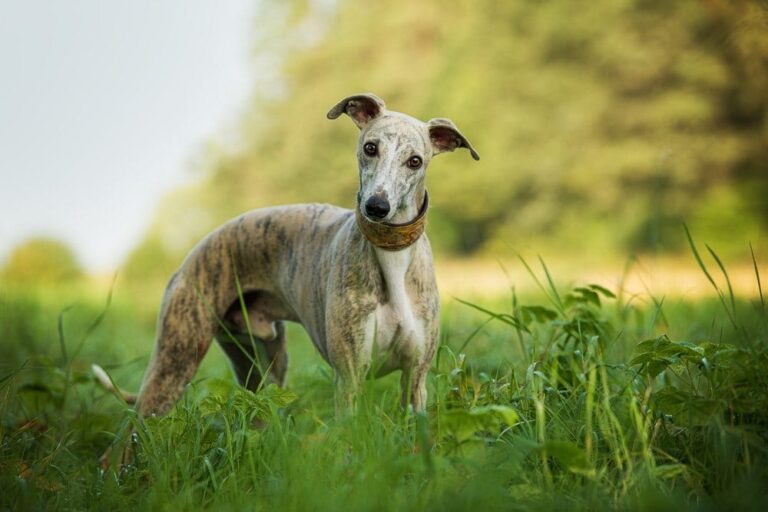
The Charming Cheenese: A Comprehensive Guide for Dog Lovers

Are you a dog lover searching for the perfect pint-sized companion? Look no further than the adorable Cheenese! This designer hybrid combines the spunky spirit of the Chihuahua with the gentle affection of the Havanese, resulting in a dog that‘s both lively and loving. As a veterinarian and lifelong dog enthusiast, I‘ve fallen head over heels for these charming little pups. In this comprehensive guide, we‘ll dive into the world of the Cheenese, exploring their unique characteristics, care requirements, and what makes them such delightful additions to any home.
Cheenese Characteristics and Appearance
The Cheenese is a small dog with a big personality. Typically weighing between 4 and 16 pounds and standing 6 to 9 inches tall at the shoulder, they pack a lot of energy and affection into a compact frame. Their body is sturdy and well-proportioned, with a round head, expressive eyes, and cute floppy ears.
One of the most striking features of the Cheenese is their gorgeous coat. They can inherit different coat types from their parent breeds – either the long, silky hair of the Havanese or the shorter, smooth coat of the Chihuahua. Cheenese coats come in a rainbow of colors including white, cream, gold, brown, chocolate, and black. Some may have a solid color while others sport a blend of shades.
Cheenese have a relatively long lifespan for a small breed, often living 12 to 18 years. This means that welcoming a Cheenese into your life is a long-term commitment filled with love, laughter, and countless snuggles.
Cheenese Temperament and Personality
The Cheenese inherits a blend of personality traits from their Chihuahua and Havanese parents. From the Chihuahua side, they get their confidence, alertness, and occasional stubborn streak. Havaneses lend their gentle, affectionate nature and love of human companionship. The result is a dog that adores being by your side and isn‘t afraid to let their lively spirit shine.
Cheeneses are known for forming strong bonds with their owners and being unabashedly affectionate. They‘ll happily spend hours curled up on your lap or following you from room to room just to stay close. As much as they adore their people, Cheeneses can sometimes be wary of strangers and may bark to alert you of perceived threats. Early and consistent socialization is key to helping them develop into confident, well-adjusted dogs.
While Cheeneses may be small, they have big personalities and a zest for life. They are playful little dogs that love a good game of fetch or tug-of-war. Mental stimulation is just as important as physical exercise to keep these intelligent pups happy. Puzzle toys, short training sessions, and interactive playtime will help keep their minds engaged.
It‘s important to note that while generally good with other dogs and pets, Cheeneses may not be the best fit for families with very young children. Their small size makes them vulnerable to accidental injury if played with too roughly. Older, gentler children who understand how to interact respectfully with dogs can be great companions for Cheeneses.
Caring for Your Cheenese
As a veterinarian, I always stress the importance of understanding a breed‘s specific needs before bringing them home. Cheeneses are relatively low-maintenance dogs, but they still require dedicated care to thrive.
Nutrition and Exercise
Feeding your Cheenese a high-quality, nutritionally balanced diet is crucial for their health and longevity. Look for a dog food formulated for small breeds with lean proteins, healthy fats, and easily digestible carbohydrates. The exact amount will vary based on your dog‘s age, size, and activity level but generally falls between 1/2 to 1 cup of dry food per day divided into two meals. Avoid overfeeding as Cheeneses can be prone to weight gain.
Despite their small size, Cheeneses have a lot of energy and require daily exercise to stay physically and mentally fit. Aim for at least 30 minutes of moderate activity each day, broken up into shorter walks or play sessions. Cheeneses love going on adventures, whether it‘s a trip to the dog park or a hike on a local trail. Just be mindful of their little legs and adjust the intensity accordingly.
Grooming and Hygiene
The grooming needs of a Cheenese will depend on which coat type they inherit. Those with longer, Havanese-like coats will need more frequent brushing to prevent tangles and mats, ideally every other day. Cheeneses with shorter, Chihuahua-like coats can get by with brushing once or twice a week. Either way, regular brushing helps remove loose fur, distribute natural oils, and keep their coat looking shiny and healthy.
Baths should be given every 4-6 weeks using a gentle, dog-friendly shampoo. Take care to thoroughly rinse out any soap residue to avoid skin irritation. Cheeneses with longer coats may need a light trim around the face, ears, and paws to keep them looking neat.
Dental hygiene is especially important for small breeds like the Cheenese. Brushing their teeth daily with a soft-bristled toothbrush and dog-safe toothpaste can help prevent plaque buildup, tooth decay, and gum disease. If daily brushing isn‘t possible, aim for at least 3-4 times per week.
Training and Socialization
Cheeneses are intelligent dogs, but their independent streak can sometimes make training a challenge. The key is to start early, be consistent, and use positive reinforcement techniques like praise, treats, and play. Short, frequent training sessions are more effective than long, drawn-out ones. Focus on basic obedience commands like sit, stay, come, and heel, as well as house training and leash manners.
One of the most important aspects of raising a well-rounded Cheenese is proper socialization. Exposing them to a variety of people, animals, and environments from a young age helps prevent fear and aggression later in life. Puppy kindergarten classes are a great way to jumpstart socialization in a controlled setting. As they grow, continue introducing them to new experiences at their own pace, always keeping interactions positive.
Health Concerns
As with any breed, Cheeneses can be prone to certain health issues. Some potential concerns include:
- Patellar Luxation: A condition where the kneecap slides out of place, causing pain and lameness. Occurs in an estimated 7% of Chihuahuas.
- Hypoglycemia: Low blood sugar, especially common in puppies and smaller Cheeneses. Can cause weakness, seizures, and collapse if untreated.
- Tracheal Collapse: A progressive condition where the trachea (windpipe) flattens, leading to coughing and difficulty breathing. Affects up to 15% of Chihuahuas.
- Dental Issues: Small breeds like Cheeneses are prone to dental problems like tooth decay, gum disease, and tooth loss. Regular dental care is crucial.
- Eye Problems: Cheeneses may inherit eye conditions like cataracts, glaucoma, and corneal ulcers from their parent breeds.
While these health concerns can sound scary, many Cheeneses live long, healthy lives with proper care and preventive vet visits. Establishing a relationship with a trusted veterinarian and staying up-to-date on health screenings can help catch and manage issues early on.
Living with a Cheenese
Cheeneses can make wonderful companions for apartment dwellers or those in smaller homes. They are adaptable little dogs that don‘t need a ton of space to be happy. A few short walks, some indoor playtime, and lots of snuggles are usually enough to keep them content.
That being said, Cheeneses do have a tendency to bark when excited, alarmed, or seeking attention. This can be managed with training and plenty of mental stimulation, but it‘s something to consider if you have noise restrictions or close neighbors.
Cheeneses also thrive on human companionship and don‘t do well when left alone for long periods. If you work long hours or travel frequently, a Cheenese may not be the best fit unless you can arrange for a pet sitter or doggy daycare.
Finding Your Perfect Cheenese
If you‘ve fallen in love with the idea of a Cheenese, you may be wondering where to find one. Always do your research and choose a reputable breeder or rescue organization. Look for breeders who health test their dogs, provide a written contract, and are open to answering questions. Avoid pet stores or online sellers that offer "cheap" puppies with no background information.
Cheenese puppies typically cost between $500 to $1,500 depending on factors like coat color, pedigree, and breeder reputation. Adopting an older Cheenese from a rescue can be a more affordable option, with adoption fees usually ranging from $200 to $500.
Cheenese vs. Other Small Breeds
| Breed | Height | Weight | Lifespan | Grooming | Barking | Kid-Friendly |
|---|---|---|---|---|---|---|
| Cheenese | 6-9 inches | 4-16 lbs | 12-18 years | Moderate | Moderate to High | Better with Older Kids |
| Chihuahua | 5-8 inches | 3-6 lbs | 12-20 years | Low to Moderate | High | Better with Older Kids |
| Havanese | 8.5-11.5 inches | 7-13 lbs | 14-16 years | High | Low to Moderate | Good with Kids |
| Maltese | 7-9 inches | Under 7 lbs | 12-15 years | High | Moderate | Good with Kids |
| Pomeranian | 6-7 inches | 3-7 lbs | 12-16 years | Moderate to High | Moderate to High | Better with Older Kids |
Final Thoughts
The Cheenese may be small in stature, but they have a huge capacity for love and affection. These lively little dogs are the perfect blend of sassy and sweet, with a zest for life that‘s absolutely contagious. While they may not be the ideal fit for every household, those who welcome a Cheenese into their heart and home are in for a truly special bond.
As a veterinarian and lifelong dog lover, I can‘t help but smile every time a Cheenese bounds into my clinic with their tail wagging and their eyes shining. They have a way of brightening up even the gloomiest of days with their larger-than-life personalities.
Of course, owning a Cheenese is a big responsibility. These little dogs depend on us to provide them with the care, training, and love they need to thrive. By educating ourselves on their unique needs and quirks, we can set them up for a long, happy, and healthy life.
If you‘re ready to open your heart and home to a Cheenese, I encourage you to do your research, find a reputable breeder or rescue, and get ready for a pint-sized bundle of joy that will steal your heart and enrich your life in countless ways. Trust me, you won‘t regret it!