The Giant Schnoodle: A Complete Guide to This Lovable Gentle Giant
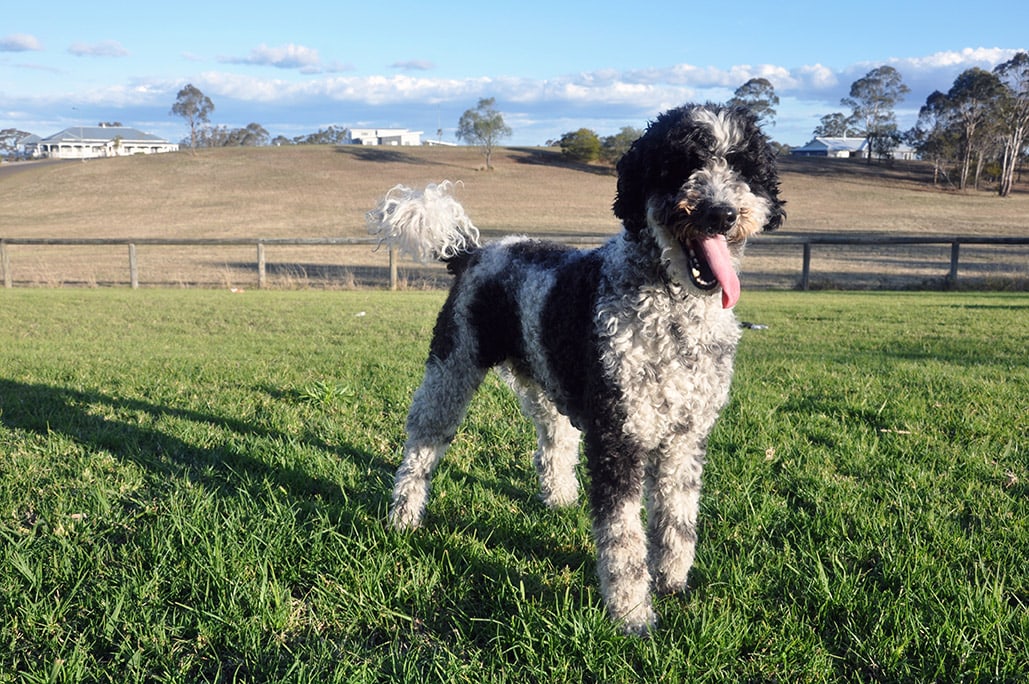
As a lifelong dog lover and veterinarian, I‘m always excited to learn about unique and wonderful breeds. One that has captured my heart in recent years is the giant schnoodle. This remarkable hybrid combines the best qualities of the giant schnauzer and standard poodle into a dog that‘s as big in size as it is in personality. Whether you‘re already a giant schnoodle fan or just discovering this delightful breed, I hope this comprehensive guide will give you a deeper appreciation for these special dogs.
The Origin of the Giant Schnoodle
The giant schnoodle is a relatively new breed that emerged in the 1980s as part of the designer dog craze. Breeders began crossing giant schnauzers and standard poodles to create a large, low-shedding, hypoallergenic dog with the protective instincts of a schnauzer and the intelligence and athleticism of a poodle.
Giant schnauzers originated in Germany as working farm dogs bred to drive cattle and guard property. They are imposing, muscular dogs known for their loyalty, courage, and territorial nature. Standard poodles, also developed in Germany, were originally duck hunting and retrieving dogs. Poodles are highly intelligent, agile, and active dogs with a curly, low-allergen coat.
First-generation (F1) giant schnoodles have one purebred giant schnauzer parent and one purebred standard poodle parent. These 50/50 mixes inherit a combination of traits from each breed. Some breeders also cross two F1 giant schnoodles or backcross a giant schnoodle with a poodle or schnauzer. Different generations can have different physical and temperamental characteristics.
Giant Schnoodle Size and Appearance
The giant schnoodle is a large to giant-sized dog, typically weighing between 55 and 100 pounds and standing 23 to 28 inches tall at the shoulder. Males are usually larger than females. Here is a chart showing the average giant schnoodle size at different life stages:
| Age | Male Weight | Female Weight | Male Height | Female Height |
|---|---|---|---|---|
| 8 weeks | 10-20 lbs | 8-18 lbs | 12-14 in | 10-13 in |
| 6 months | 40-60 lbs | 30-50 lbs | 20-24 in | 19-22 in |
| 1 year | 60-80 lbs | 50-70 lbs | 24-27 in | 22-25 in |
| Adult | 70-100 lbs | 55-85 lbs | 25-28 in | 23-26 in |
Most giant schnoodles have a shaggy, wavy, or curly coat that tends to be longer on the head, ears, legs, and tail. Common coat colors include black, white, silver, gray, blue, brown, apricot, cream, and parti-color (spotted). According to a survey of giant schnoodle owners, the most popular coat colors are:
- Black: 35%
- Parti-color: 25%
- Silver: 15%
- White: 10%
- Other colors: 15%
Giant schnoodles usually have a soft, expressive face with a beard and eyebrows. Some may have a more poodley look with a longer, looser coat, while others favor the schnauzer with a denser, wiry coat. Their athletic build, proud carriage, and regal looks turn heads wherever they go.
The Giant Schnoodle Personality
Giant schnoodles are famous for their larger-than-life personalities. They are goofy, playful, affectionate dogs that love being the center of attention. Most giant schnoodle owners describe their dogs as:
- Loving and affectionate: 95%
- Intelligent and trainable: 90%
- Energetic and active: 85%
- Good with children: 80%
- Friendly toward strangers: 75%
- Protective of family: 70%
While every dog is an individual, most giant schnoodles share some common traits. They are very people-oriented dogs that crave companionship and interaction. Giant schnoodles bond closely with their families and can suffer from separation anxiety if left alone too much.
As puppies, giant schnoodles are bouncy, mouthy, and enthusiastic about everything. They often stay in a puppy mindset well into adulthood, which is endearing but can also be challenging. Giant schnoodles need patient, consistent training to learn household rules and manners.
With their imposing size and schnauzer heritage, giant schnoodles tend to be alert watchdogs with strong territorial instincts. Early socialization is essential to prevent overprotectiveness or aggression. Well-socialized giant schnoodles are usually friendly and welcoming to guests once they realize there‘s no threat.
Giant schnoodles are sensitive, intuitive dogs that are keenly attuned to their owners‘ moods. They seem to know just when you need a cuddle or a good laugh. For an active family that will give them plenty of love and attention, you couldn‘t ask for a more devoted companion than a giant schnoodle.
Exercise and Space Requirements
Giant schnoodles have high exercise needs and require at least 60 to 90 minutes of physical activity every day. A few 30-minute walks plus some vigorous playtime or running should suffice. Mental stimulation is just as important, so include training sessions, puzzle toys, nose work, or other brain games in your giant schnoodle‘s daily routine.
Without enough exercise and enrichment, giant schnoodles often become bored and destructive. They may bark excessively, chew inappropriate items, dig in the yard, or find other mischief to get into. A tired schnoodle is a well-behaved schnoodle!
Giant schnoodles do best in homes with securely fenced yards where they can run and play safely. They are usually too large and rambunctious for apartment living, unless you are committed to providing plenty of outdoor exercise and adventures. Access to a dog park, hiking trails, beach, or other open space is ideal.
These social dogs do not enjoy spending hours alone in the backyard. Giant schnoodles want to be with their people as much as possible. Consider your lifestyle and schedule before bringing home a giant schnoodle. If you work long hours or travel frequently, this may not be the breed for you.
Training and Socialization
Giant schnoodles are intelligent, eager to please, and highly trainable. They excel in obedience, agility, rally, and other dog sports. However, they can also be strong-willed and sensitive, so positive reinforcement methods work best.
Start training your giant schnoodle puppy as soon as you bring them home. Enroll in a puppy kindergarten class to learn basic obedience commands and get your pup used to working around distractions. Keep training sessions short, fun, and rewarding.
Socialization is a lifelong process, but the critical window is between 8 and 16 weeks old. Expose your giant schnoodle puppy to a wide variety of people, animals, places, sights, and sounds. Make sure all experiences are positive and not overwhelming. A well-socialized giant schnoodle is a confident, well-adjusted dog.
Some top training tips for giant schnoodles include:
- Use high-value treats like chicken, cheese, or liver to keep your dog motivated.
- Break complex behaviors into small, achievable steps and reward progress.
- Keep training sessions upbeat and end on a positive note.
- Avoid harsh corrections or punishment, which can damage your bond.
- Be patient and consistent with house training, as giant breeds can take longer to gain bladder control.
- Teach a reliable recall and practice in different environments.
- Encourage appropriate chewing with long-lasting chews and durable puzzle toys.
Grooming and Maintenance
Giant schnoodles have moderate to high grooming needs depending on their coat type. Most require professional grooming every 6 to 8 weeks, plus regular brushing at home. Here is a grooming checklist for giant schnoodles:
- Brush coat 2-3 times per week with a slicker brush or pin brush
- Bathe every 4-6 weeks or as needed with a gentle, hypoallergenic shampoo
- Check and clean ears weekly to prevent infections
- Trim nails every 2-4 weeks or as needed
- Brush teeth daily or at least 2-3 times per week
While giant schnoodles shed very little, they are not completely hypoallergenic. No dog is! All dogs produce some dander and saliva that can trigger allergies. If you have severe allergies, spend time with adult giant schnoodles before committing to the breed.
Potential Health Issues
As a hybrid, giant schnoodles may be prone to some of the same health problems as their parent breeds. While mixed breeds are often healthier than purebreds, there are no guarantees. Some health issues seen in giant schnoodles include:
- Hip and elbow dysplasia
- Gastric dilatation volvulus (bloat)
- Progressive retinal atrophy
- Hypothyroidism
- Von Willebrand‘s disease
- Skin allergies
- Epilepsy
- Addison‘s disease
To minimize health risks, choose a giant schnoodle puppy from a reputable breeder who performs genetic testing on their breeding dogs. Reputable breeders prioritize health, temperament, and quality of life over profit or looks. They allow you to visit their facility, meet the puppies‘ parents, and provide references.
Jane Smith, a giant schnoodle breeder in Colorado, says, "The most important things to look for in a breeder are transparency, health testing, and a commitment to the puppies‘ lifelong well-being. Avoid breeders who always have puppies available, make excuses for poor conditions, or promise ‘rare‘ coat colors."
The Cost of a Giant Schnoodle
Giant schnoodle puppies typically cost between $1,500 and $3,000 from a reputable breeder. Parti-colored or uniquely marked puppies often command higher prices. In addition to the initial purchase price, budget for first-year expenses like:
- Veterinary care (exams, vaccinations, spay/neuter): $500-$1,500
- Training and socialization classes: $200-$500
- Food and treats: $500-$1,000
- Crate, bed, toys, and other supplies: $300-$800
- Grooming: $300-$600
The estimated first-year cost of owning a giant schnoodle is $3,300 to $7,400. Ongoing expenses like food, vet care, grooming, and pet sitting can add up to $1,500 to $3,000 per year or more.
Should You Get a Giant Schnoodle?
Now that you know more about the giant schnoodle, is this the right breed for you and your family? Here are 10 signs a giant schnoodle might be your ideal dog:
- You have an active lifestyle and enjoy outdoor adventures.
- You work from home or have a flexible schedule.
- You have experience with large, energetic dogs.
- You are committed to positive training and socialization.
- You don‘t mind regular grooming and plenty of shedding.
- You have a securely fenced yard or access to off-leash areas.
- You want an affectionate, loyal dog that will be your shadow.
- You appreciate a goofy sense of humor and larger-than-life personality.
- You are looking for a family-friendly dog that‘s great with kids.
- You have researched breeders and are prepared for the financial commitment.
If most of those sound like you, a giant schnoodle could be your perfect match. These big-hearted gentle giants will keep you laughing, active, and feeling loved every day. With their intelligence, trainability, and desire to please, giant schnoodles can adapt to many different households and lifestyles.
Of course, no breed is right for everyone. Giant schnoodles may not be the best fit for homes with very small children, elderly adults, or individuals with mobility issues due to their size and exuberance. They are also not ideal for people who work long hours or are away from home frequently.
Compared to other large doodle breeds like the great danoodle (Great Dane/poodle) or Irish doodle (Irish wolfhound/poodle), giant schnoodles tend to be more energetic and protective. They require more exercise and training to channel their working dog instincts. However, giant schnoodles are also more adaptable and less prone to health issues than some other giant breeds.
Conclusion
The giant schnoodle is a remarkable hybrid that combines the best traits of the giant schnauzer and standard poodle. With their intelligence, loyalty, and zest for life, these gentle giants make devoted family companions for active households. While no dog is perfect, giant schnoodles come pretty close!
If you are considering adding a giant schnoodle to your life, do your research and choose a reputable breeder who prioritizes health, temperament, and socialization. Be prepared for lots of grooming, training, and exercise. In return, you will have a loving, loyal friend who will fill your days with laughter, adventures, and unconditional love.
As a veterinarian and lifelong dog lover, I have met many wonderful giant schnoodles over the years. They never fail to impress me with their sweet, silly, and indomitable spirits. If you have the time, energy, and heart for a larger-than-life dog, the giant schnoodle might be your perfect match.