
The Havachon Dog Breed: Petite Perfection in a Fluffy Package
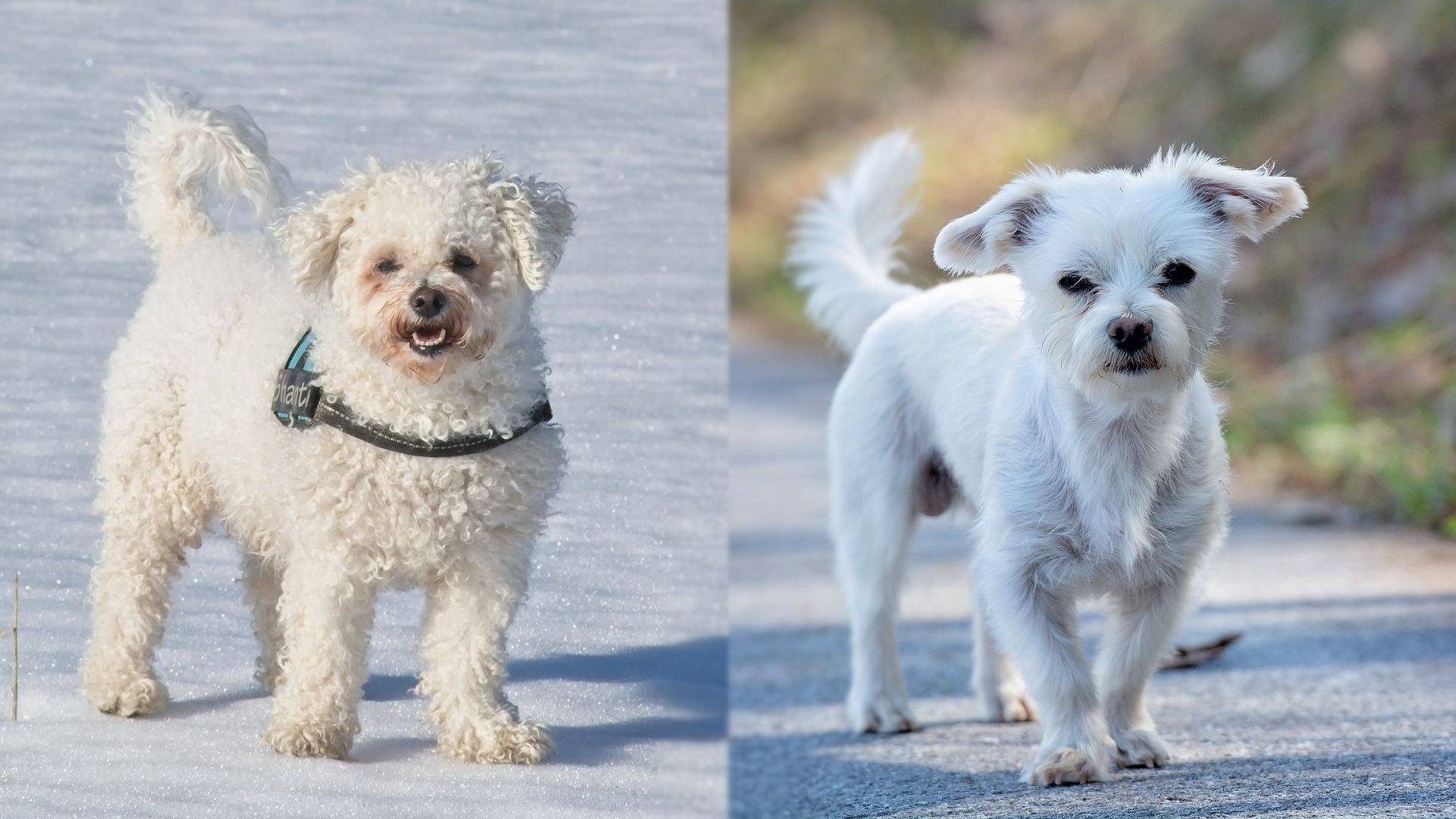
As a lifelong dog lover and veterinarian, I‘ve met countless wonderful breeds over the years. But few have stolen my heart quite like the happy-go-lucky Havachon. This designer dog, a cross between a Bichon Frise and Havanese, packs a big personality into a compact, cuddle-sized package. If you‘re considering bringing one of these fluffy bundles of joy into your life, here‘s everything you need to know about the Havachon – especially once they reach their full-grown adult size.
Havachon Size and Weight
While Havachons may look like eternal puppies with their round eyes and teddy bear faces, they do eventually reach their full adult size. Most Havachons stand between 9-12 inches tall at the shoulder and weigh 10-15 pounds when full-grown.
To put that in perspective, the American Kennel Club breed standard lists the Bichon Frise at 9.5-11.5 inches tall and 12-18 pounds, while the Havanese ranges from 8.5-11.5 inches and 7-13 pounds. As a mix of two petite breeds, you can expect your Havachon to fall somewhere in the middle.
However, there can be quite a bit of variation even within a litter of Havachon puppies. I‘ve seen some that mature closer to 8 inches and 7 pounds, while others end up nearly 13 inches tall and 18 pounds – still very much on the small side, but noticeably larger than their pint-sized siblings.
So what determines a Havachon‘s final adult size? It depends on several factors:
- Size of their Bichon Frise and Havanese parents
- Gender (males tend to be slightly larger than females)
- Diet and nutrition, especially during puppyhood
- Overall health and genetics
A 2016 survey of over 1200 mixed-breed dog owners found that "Bichon Frise mix" was the 6th most common type of designer dog, so clearly these fluffy little charmers have captured many hearts! Responsible Havachon breeders aim to produce puppies that fall within the breed standard for size, so if you‘re looking for a dog on the lower or higher end of the scale, be sure to discuss your preferences upfront.

When Do Havachons Reach Their Full Size?
Like many toy and small dog breeds, Havachons typically reach their full adult height by around 10-12 months old. However, they may continue gradually filling out and gaining muscle until 14-18 months.
During their first year, expect lots of growth spurts and changes in your Havachon puppy‘s proportions. They may go through adorably awkward stages where their legs, ears or nose look too big for their body. Don‘t worry – they‘ll even out in the end!
While a 1-year-old Havachon may look mature physically, keep in mind that mentally they are often still very puppy-like. Many Havachon owners report that their dogs retain a playful, silly demeanor well into adulthood.
"My Havachon Biscuit didn‘t fully settle down until he was nearly 3 years old! He‘s 5 now and still loves to zoom around the house with his favorite toys. It‘s like having a puppy that never grows up – in the best way." – Jenna S., Havachon owner
Be prepared to continue training and socializing your Havachon throughout their adolescence to help them blossom into a well-behaved adult dog. Luckily, their eager-to-please nature and intelligence makes this an enjoyable process for both of you.
The Havachon Personality
Affectionate, social and perpetually cheerful, Havachons are the definition of a "people" dog. They live to be near their families and soak up attention like a sponge. You‘ll rarely find a Havachon who isn‘t thrilled to meet someone new, whether human or canine.
It‘s no surprise, given the Havachon‘s sunny disposition, that they consistently top lists of the friendliest dog breeds. In a 2019 survey by Vetstreet, "Havanese mix" came in 2nd, just behind Labrador Retriever mixes. Owners gush about the breed‘s sweet, gentle nature and clownish sense of humor.
"Our Havachon Luna is like a real-life teddy bear. She loves nothing more than cuddling on the couch and making us laugh with her silly antics. She‘s so gentle and patient with our young kids, too." – Mike R., Havachon owner

Of course, no breed is perfect, and Havachons are no exception. Their intense love of people means they hate to be left alone and are prone to separation anxiety. Havachons also have a moderate to high energy level and can become bored and destructive without enough exercise and mental stimulation. But for owners willing to put in the time and effort, the Havachon‘s many positive traits far outweigh any challenges.
Exercising Your Havachon
Don‘t let the Havachon‘s small stature fool you – these are lively, active little dogs who need daily workouts to stay happy and healthy. Plan to provide your Havachon with at least 45-60 minutes of physical activity per day through a combination of walks, play sessions, training and interactive toys.
Dr. Jerry Klein, Chief Veterinary Officer of the American Kennel Club, recommends breaking up a small dog‘s exercise into several shorter sessions throughout the day. "Havachons may have little legs, but they have huge personalities and a surprising amount of stamina," he says. "Aim for a few 15-20 minute spurts of activity rather than one long walk."
Havachons tend to be athletic and agile, excelling at canine sports like rally, agility and musical freestyle. Many love playing in water and will gleefully hop in the pool or splash at the beach. Puzzle toys and games of hide-and-seek are great ways to exercise their minds too.
The good news is that, thanks to their compact size, Havachons are highly adaptable to different living situations as long as their exercise needs are met. They will happily race around a big backyard but can also thrive in an apartment with an active owner committed to daily walks and play sessions.
"I was hesitant to get a dog while living in a small city apartment, but my Havachon Ollie has proven that you don‘t need a ton of space. As long as we go on adventures to the dog park and take training classes together, he‘s one happy camper at home." – Lauren M., Havachon owner
Grooming Your Havachon
Soft, fluffy and hypoallergenic, the Havachon‘s gorgeous coat is one of their most distinguishing features. But keeping those lavish locks looking good requires a fair amount of maintenance.
Most Havachons have a thick double coat that ranges from slightly wavy to curly. They shed very minimally (making them a great choice for allergy sufferers) but are prone to matting and tangles if not brushed regularly.
| Coat Type | Grooming Needs |
|---|---|
| Wavy | Brush 2-3x per week, trim every 6-8 weeks |
| Curly | Brush 3-4x per week, trim every 4-6 weeks |
According to professional groomer Ivy S., the key to keeping a Havachon mat-free is consistent brushing and combing. "I recommend using a slicker brush to remove any loose hair and a metal greyhound comb to gently work through tangles," she says. "Focus on areas that tend to get matted like behind the ears, under the arms and along the back legs."
Many Havachon owners keep their dog in a shorter "puppy cut" to make grooming more manageable. This means a trip to the groomer every 4-8 weeks for a bath, haircut and nail trim. Show-quality Havachons may require more frequent visits to maintain their long, silky coats.

In addition to coat care, Havachons need their teeth brushed daily, ears cleaned weekly and nails trimmed every 2-4 weeks. Small breeds are especially prone to dental disease, so make oral hygiene a priority. Your veterinarian can demonstrate proper brushing techniques and recommend dental chews, water additives and professional cleanings as needed to keep your Havachon‘s pearly whites in tip-top shape.
Havachon Health and Longevity
For the most part, Havachons are a robust and healthy breed with few major issues. As a hybrid of two breeds with similar health profiles, they may even benefit from "hybrid vigor" – the tendency of mixed breed dogs to have fewer genetic disorders than their purebred parents.
However, like all dogs, Havachons can be predisposed to certain conditions. These include:
- Patellar luxation (dislocated kneecaps)
- Hip dysplasia
- Eye problems like cataracts and progressive retinal atrophy
- Heart conditions like mitral valve disease
- Skin allergies
- Dental disease
Responsible Havachon breeders perform health screenings on their dogs to reduce the risk of passing on inherited disorders. But since many of these issues don‘t appear until adulthood, it‘s important for owners to be proactive about their Havachon‘s ongoing health too.
Dr. Marty Becker, veterinarian and founder of Fear Free Pets, advises Havachon owners to "keep your dog slim, provide plenty of exercise, feed a high-quality diet and stay current on preventive care like vaccinations, parasite control and dental cleanings." He notes that small breeds often live the longest, so Havachons that receive appropriate care can easily reach 15+ years of age.
Is a Havachon Right For You?
Thinking of adding a Havachon to your family? Consider this checklist to see if your lifestyle is a match:
- [ ] You have plenty of time to spend with your dog each day
- [ ] You‘re able to provide 45-60 minutes of exercise daily
- [ ] You don‘t mind regular brushing and trips to the groomer
- [ ] You‘re prepared to train and socialize an energetic, curious puppy
- [ ] You have a plan for your dog‘s care when you travel or work long hours
- [ ] You‘re looking for an affectionate, people-oriented companion
If you checked all or most of the boxes, congratulations – a Havachon could be your ideal canine match! These charming little dogs may be small in stature but they have an outsized capacity for love. As long as you can meet their needs for companionship, stimulation and care, you‘ll be rewarded with a devoted friend for life.


