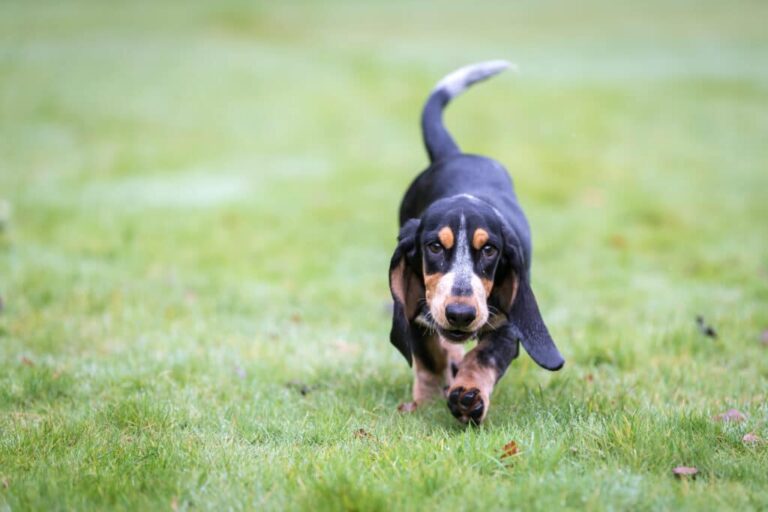
The King Shepherd: A Majestic and Devoted Gentle Giant

As a lifelong dog lover and trainer, I‘ve had the privilege of working with many amazing breeds over the years. But few have captured my heart quite like the King Shepherd. This relatively new and rare breed, developed in the 1990s by crossing German Shepherd Dogs with other large breeds like the Alaskan Malamute and Great Pyrenees, was designed to be the ultimate family companion. By combining the intelligence, loyalty, and work ethic of the German Shepherd with the gentler temperament and improved health of other breeds, the King Shepherd is truly a dog fit for royalty.
The Origins of the King Shepherd
The King Shepherd breed was first envisioned by American breeder Shelley Watts-Cross and her husband David, who sought to create a dog with the best traits of the German Shepherd while minimizing some of the health problems that often plague the breed, such as hip dysplasia and degenerative myelopathy. As Shelley explains, "We wanted a dog that had the heart and soul of a German Shepherd, but in a healthier, more stable package."
To achieve this goal, the Watts-Crosses began carefully crossing their German Shepherds with other large, complementary breeds like the Alaskan Malamute, Great Pyrenees, and Akita in the early 1990s. They selected breeding dogs based on health, temperament, and conformation, with the aim of producing offspring that were physically and mentally sound.
Over the next decade, they refined their breeding program and partnered with other breeders who shared their vision. In 1995, the American King Shepherd Club (AKSC) was formed to promote and protect the fledgling breed. Although still not officially recognized by major kennel clubs like the American Kennel Club (AKC), the King Shepherd has gained a devoted following among those who appreciate its unique blend of characteristics.
Physical Prowess: Size, Strength, and Stamina
One of the first things you‘ll notice about a King Shepherd is its impressive size. These dogs are significantly larger than the average German Shepherd, with males standing 27-31 inches tall at the shoulder and weighing 90-150 pounds, and females ranging from 25-28 inches and 75-110 pounds. Some individuals can be even bigger, pushing the boundaries of what‘s considered a "giant" breed.
| Age | Male Weight | Female Weight |
|---|---|---|
| Birth | 1-2 lbs | 1-2 lbs |
| 3 months | 30-40 lbs | 25-35 lbs |
| 6 months | 60-80 lbs | 50-70 lbs |
| 1 year | 85-120 lbs | 70-100 lbs |
| 2 years | 90-150 lbs | 75-110 lbs |
Source: American King Shepherd Club
But the King Shepherd isn‘t just a oversized German Shepherd. "They have a unique conformation all their own," says AKSC president Mark Anderson. "They‘re more substantial through the body, with a broader head, deeper chest, and thicker bone. But they still maintain an athletic, balanced look, without appearing overly bulky or cumbersome."
Indeed, King Shepherds are known for their impressive strength, endurance, and agility. Their muscular build and long legs allow them to cover ground efficiently, and they have the stamina to work or play tirelessly. Many enjoy and excel at high-energy dog sports like agility, dock diving, herding trials, and weight pulling.
As Anderson puts it, "These dogs are incredibly athletic and driven. They‘re not couch potatoes by any means. They need a job to do, whether that‘s long hikes, participating in a dog sport, or training in search and rescue or therapy work. A bored King Shepherd is a destructive King Shepherd."
A Coat Fit for a King: Colors, Patterns, and Grooming
King Shepherds can inherit a wide variety of coat types, colors, and patterns from their diverse lineage. Most have a medium to long double coat, with a dense undercoat and straighter, coarser outer coat. They may have feathering on the legs and tail, and some will sport a majestic lion-like mane around the neck and chest.
"We see everything from a tight, short coat to a longer, fluffier coat, and every color from solid black to pure white," says King Shepherd breeder Jenna Davis. "Sable, black and tan, black and silver, red and black, cream, blue – you name it, it‘s probably in the King Shepherd gene pool somewhere. We even have some with striking blue eyes."
One unique quirk of King Shepherd puppies is that they often undergo significant changes in coat color and pattern as they mature. A black and tan puppy may "blow out" into a lighter silver and black adult, or a sable pup could darken into a striking black and red. Their coats may also change texture, going from a short fuzzy puppy coat to a longer, thicker adult coat by two years old.
As with most double-coated breeds, King Shepherds do shed – a lot. "If you don‘t like dog hair, don‘t get a King Shepherd," Davis laughs. "I tell my puppy buyers to invest in a good vacuum and a lot of lint rollers." Regular brushing several times a week is a must to keep shedding manageable, especially during the heavy seasonal sheds. But with proper grooming, these regal dogs will maintain a lustrous, healthy coat sure to turn heads.
The Gentle Giant: King Shepherd Temperament and Trainability
Despite their imposing size and often serious expression, King Shepherds are known for being big softies with their families. They bond closely with their humans and crave being near them as much as possible. "They‘re often referred to as ‘velcro dogs‘ because they stick so close to their owners," says King Shepherd owner and trainer Rachel Thompson. "My boy Harry follows me everywhere, even to the bathroom. He just can‘t stand to let me out of his sight."
This devotion to family is matched by a generally friendly, stable temperament. Well-socialized King Shepherds tend to be confident, outgoing dogs who enjoy meeting new people and other animals. They‘re more likely to lean on a visitor for petting than bark or act aloof. "I joke that an intruder is more at risk of being snuggled to death than attacked by a King Shepherd," Thompson says. "They might look scary because they‘re so big, but they‘re really just 100-plus pound lapdogs."
That said, King Shepherds do have protective instincts and will step in if they sense a true threat to their family. Their deep, booming bark and muscular presence is usually enough to deter any bad guys. As Thompson puts it, "They‘re not aggressive, but they‘re no pushovers either. They‘ll do what‘s needed to keep their pack safe."
King Shepherds also inherit the German Shepherd‘s keen intelligence and biddability, making them highly trainable and eager to please. "They pick up new commands scary fast," says Thompson. "I taught Harry to bring me a tissue when I sneeze and put his toys away in a basket, all in about 15 minutes. They just love having a job to do and thrive on mental stimulation."
Positive, reward-based training is the way to a King Shepherd‘s heart, as they can be sensitive to harsh corrections. "Yelling at them or using punishment-based methods will just shut them down," advises Thompson. "But if you make training fun and rewarding with lots of praise, play, and treats, they‘ll do backflips for you, sometimes literally!"
Early and extensive socialization is also key for this breed, as undersocialized King Shepherds may become fearful or even reactive, which is a big problem in a dog of their size. Exposing them to many different people, animals, places, and situations as puppies will help them grow into the confident, unflappable adults they‘re meant to be.
Health Concerns and Lifespan
Like many large and giant breeds, King Shepherds have a relatively short lifespan of 10-12 years on average. They can be prone to genetic health issues like hip and elbow dysplasia, hypothyroidism, bloat, epilepsy, allergies, and eye disorders. Responsible breeders will screen their breeding stock for these issues and only produce puppies from healthy parents.
Some concerning statistics on King Shepherd health:
- Up to 20% of King Shepherds may be affected by hip dysplasia
- 5-10% may suffer from hypothyroidism
- 4-6% are at risk for developing bloat (gastric dilatation volvulus)
- 2-3% may inherit epilepsy
Source: Orthopedic Foundation for Animals and American King Shepherd Club health surveys
"Finding a good breeder who does comprehensive health testing is so important," stresses veterinarian Dr. Amy Reeding. "Look for breeders who have their dogs‘ hips and elbows x-rayed and certified by the OFA, screen for eye and thyroid problems, and are willing to show you all the health records for their dogs."
Keeping King Shepherds at a healthy weight, providing joint supplements, feeding a high-quality diet, and avoiding repetitive high-impact exercise on hard surfaces can also help prevent orthopedic issues. Being proactive about bloat prevention, like feeding smaller meals, avoiding exercise around mealtimes, and potentially having a gastropexy surgery performed, can be lifesaving.
"With proper health screening of breeding dogs, responsible puppy rearing, and proactive preventive care, many King Shepherds can lead long, healthy, active lives well into their teens," Dr. Reeding assures.
Fit for a King: Providing a Forever Castle
As a very large, active, intelligent working breed, King Shepherds are not the right dog for everyone. They need ample space to move and play, a securely fenced area to roam, and a home where they won‘t be left alone for long periods. They also require extensive grooming, training, socialization, and exercise – not to mention a lot of food! Expect to feed a 150-pound King Shepherd 5-10 cups of quality food a day, and budget accordingly.
"These are not low-maintenance dogs," says Davis. "They‘re very high-energy, and if you don‘t give them constructive outlets for all that drive, they‘ll find their own ways to burn it off, usually by destroying your house. They also need a ton of attention and human companionship. A King Shepherd left to their own devices will be a very sad – and badly behaved – dog."
But for experienced dog owners willing to put in the considerable time, effort, and expense required to fulfill a King Shepherd‘s needs, they can be incredibly rewarding companions. These are smart, entertaining, affectionate dogs who will be utterly devoted to their families and want nothing more than to be by your side through all of life‘s adventures, whether that‘s a hike through the wilderness or a Netflix binge on the couch.
As Thompson gushes, "Harry is my heart dog. He‘s goofy, cuddly, scary smart, up for anything, and an absolute joy to have in my life. He brings a smile to my face every single day. I can‘t imagine a better dog or a truer friend. For me, that‘s worth all the vacuuming in the world."
King Shepherds may not be as well-known as their German Shepherd cousins, but these majestic dogs are certainly fit for royalty in the right homes. With their imposing beauty, off-the-charts smarts, intense loyalty, and larger-than-life hearts, the King Shepherd is sure to reign supreme among dog lovers for generations to come.