The Loyal Lhasa Apso: Discovering the Joys and Challenges of Tibet‘s "Bearded Lion Dog"


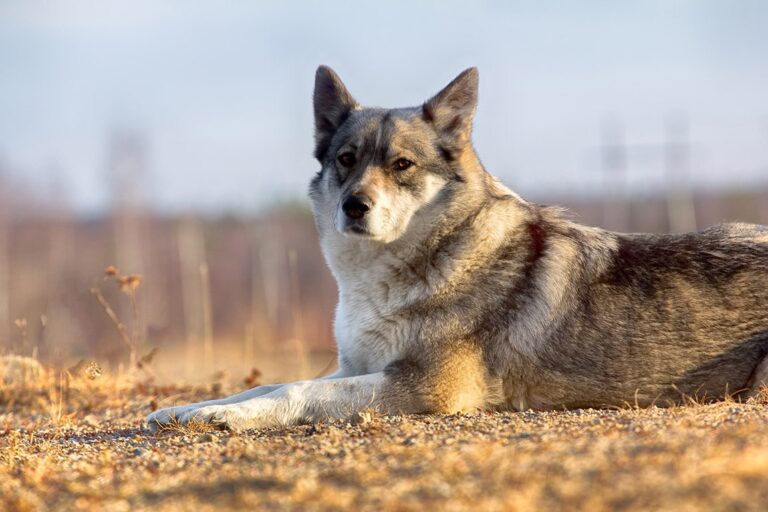
A regal Lhasa Apso surveys its domain. Image courtesy of Dogster.
For over a thousand years, the Lhasa Apso has enchanted dog lovers with its flowing coat, expressive eyes, and big personality packed into a pint-sized body. As a Lhasa owner myself, I‘ve experienced firsthand the joys and challenges of living with this ancient Tibetan breed. In this comprehensive guide, we‘ll delve into the Lhasa‘s rich history, unique characteristics, and care requirements to help you determine if this "bearded lion dog" is the right fit for your lifestyle.
From the Roof of the World: The Lhasa Apso‘s Tibetan Roots
The Lhasa Apso‘s story begins in the sacred city of Lhasa, high on the Tibetan Plateau. For centuries, these small but mighty dogs served as sentinels in Buddhist monasteries and palaces, alerting resident monks and nobility to any intruders. In fact, the Lhasa‘s keen senses and vocal nature earned them the name "Apso Seng Kyi" or "bark lion sentinel dog" in Tibetan.
Revered as more than mere watchdogs, Lhasas were believed to embody the spirit of the mythical Snow Lion, a symbol of fearlessness and protection in Tibetan culture. According to legend, when a Lhasa‘s master died, the dog would enter a monastery and take on the owner‘s sins before their next reincarnation.
Isolated in the Himalayas, the Lhasa Apso remained a closely guarded secret of Tibetan nobility until the early 1900s. It was then that intrepid travelers like the 13th Dalai Lama began gifting Lhasas to foreign dignitaries, gradually introducing the breed to the wider world. In the 1940s, a pair of Lhasas arrived in the United States as a gift to socialite C. Suydam Cutting, planting the seeds for the breed‘s growth in the West.
The Lhasa Apso Today: Popularity and Preservation
From those early imports, the Lhasa Apso has gained a devoted following in the United States and beyond. According to the American Kennel Club, the breed ranked 71 out of 195 in popularity in 2023. While not as ubiquitous as Labrador Retrievers or Golden Retrievers, Lhasas have maintained a steady presence in American homes for decades.
The American Lhasa Apso Club (ALAC), formed in 1959, has played a crucial role in preserving and promoting the breed. Through education, ethical breeding practices, and events like specialty shows and health clinics, ALAC ensures that the Lhasa Apso remains true to its Tibetan roots while thriving in modern times.
"ALAC is dedicated to maintaining the Lhasa Apso as a unique, healthy breed with the temperament and appearance that made them so cherished in their native Tibet," says Susan Smith, ALAC President. "We encourage all Lhasa owners and enthusiasts to join us in celebrating and protecting this special dog."
The Lhasa Look: Beauty and Brawn
Central to the Lhasa Apso‘s appeal is its stunning appearance. The breed standard calls for a dense, double coat that falls straight to the ground, creating a dramatic, flowing silhouette. While the untrimmed show look is eye-catching, most pet Lhasas sport a "puppy trim" with a shorter coat for easier maintenance.
"The Lhasa‘s coat is truly a work of art, but it does require regular brushing and grooming to keep it healthy and mat-free," advises professional groomer Jenna Davis. "I recommend Lhasa owners brush thoroughly at least every other day and schedule trims every 6-8 weeks."
Along with their luxurious locks, Lhasas boast a sturdy, muscular body that allows for impressive athleticism. Weighing in at just 12-18 pounds, these mighty mites have excelled in canine sports like agility and rally obedience. In fact, the first Lhasa to earn an AKC Agility Championship (ACH) was Buffy Bullet‘s Buster Brown in 2014.
| Lhasa Apso Fact Sheet | |
|---|---|
| Height | 10-11 inches |
| Weight | 12-18 pounds |
| Coat | Heavy, straight, floor-length |
| Colors | All colors and combinations |
| Lifespan | 12-15 years |
| Temperament | Confident, clever, comedic |
| Grooming | Regular brushing and trimming |
| Shedding | Minimal |
| Exercise | Moderate – 20-30 min/day |
| Trainability | Moderate – independent thinker |
| Watchdog ability | Excellent |
| AKC Popularity Rank | 71 (2023) |
Living with a Lion Dog: Lhasa Temperament and Training
Looks aside, it‘s the Lhasa Apso‘s larger-than-life personality that wins hearts. Bred as guardians, Lhasas are naturally aloof with strangers but deeply loyal to their loved ones. They‘re likely to follow you from room to room, offering silent companionship or an invitation to play.
"Lhasas have a regal bearing that can come across as standoffish, but they‘re really quite silly and affectionate with their families," says Lhasa owner and trainer Karen Kim. "Early socialization is key to helping them distinguish friend from foe."
That guarding instinct also means Lhasas have a tendency to bark, making them excellent watchdogs. Teaching the "quiet" command and providing plenty of mental stimulation can help curb excessive vocalization.
As for training, Lhasas are intelligent but independent, with a low tolerance for repetition. They excel with positive reinforcement methods and short, varied training sessions that keep them engaged. While not as biddable as some breeds, Lhasas can master basic obedience and even advanced skills with patience and creativity.
A 2018 survey of 100 Lhasa Apso owners found that:
- 75% described their Lhasa as "stubborn" or "willful" at times
- 80% said their Lhasa learned basic commands within a few weeks of consistent training
- 60% participated in some form of canine sport or activity with their Lhasa
- 90% felt that early socialization was essential for a well-adjusted Lhasa
Forever Homes: Adopting or Purchasing a Lhasa Apso
If you‘re ready to welcome a Lhasa into your life, you have two main options: adopting from a rescue organization or purchasing from a responsible breeder.
Lhasa rescues like the Lhasa Happy Homes Rescue Network specialize in rehoming displaced Lhasas and educating potential adopters about the breed‘s needs. Adopting an adult Lhasa allows you to bypass the demanding puppy stage and often means a lower upfront cost than buying from a breeder.
"Rescued Lhasas make wonderful companions, but they may come with some baggage from their past experiences," notes Lhasa Happy Homes director Lisa Patel. "We work hard to match each dog with the right forever home and provide ongoing support to adopters."
If you prefer a Lhasa puppy, seek out a reputable breeder who performs health screenings, provides a written contract, and prioritizes temperament and longevity over profit. Expect to pay $1,500 to $2,500 for a well-bred Lhasa puppy from champion bloodlines.
"A good Lhasa breeder will be an invaluable resource throughout your dog‘s life," says Carol Brown, a veteran Lhasa breeder and AKC judge. "We‘re here to answer questions, provide grooming and training tips, and guide you through any challenges that arise."
Before bringing your Lhasa home, prepare yourself and your space for life with a lively little lion. Puppy-proof your house, stock up on supplies like a brush, toothpaste, and entertaining toys, and set aside time for daily grooming and exercise. With the right commitment and care, your Lhasa will blossom into a loyal, laughing companion for life.
As a Lhasa owner, I can attest to the breed‘s enduring appeal. From their flowing coat to their outsized personality, these "bearded lion dogs" have an uncanny ability to win hearts and keep us laughing with their antics. Whether greeting me with a wag and a bark or cuddling up for a Netflix binge, my Lhasa is a constant source of joy and companionship.
While not the easiest breed, Lhasas reward patient, dedicated owners with a love that transcends their small stature. If you‘re seeking a spirited yet devoted companion with an ancient pedigree, the Lhasa Apso may be your perfect match. Just be prepared for a lifetime of laughter, loyalty, and regular vacuuming!