The Magnificent Mop Dog: A Comprehensive Guide to the Komondor
As a dog lover and veterinary expert, I‘ve always been fascinated by the unique breeds that exist in the canine world. And few breeds are quite as striking or memorable as the Komondor, with its distinctive corded coat, imposing size, and rich history as a guardian of livestock. In this comprehensive guide, I‘ll delve into the origins, characteristics, care requirements, and special qualities of this magnificent "mop dog", sharing both factual information and personal insights to help you understand and appreciate this one-of-a-kind breed.
A Rich History Rooted in Hungary
The story of the Komondor is deeply intertwined with the history of Hungary, particularly the nomadic Cumans who settled in the region during the 12th and 13th centuries. These tribal people were known for their large, powerful dogs that served as guardians for their flocks of sheep and cattle. Over time, these dogs developed into the distinct breed we now know as the Komondor.
For centuries, Komondors served as loyal and fearless protectors, roaming the plains and pastures of Hungary with their shepherds. Their unique corded coats, which developed as a defense against both the elements and potential predators, helped them blend in with the sheep they guarded. This allowed them to surprise and ward off wolves, coyotes, and even human thieves that threatened the flock.
The Komondor‘s role as a livestock guardian shaped both their physical characteristics and their temperament. These dogs needed to be large and strong enough to take on predators, with a heavy bone structure and well-muscled body. They also needed to be independent thinkers, able to make decisions and take action without constant direction from their handlers. This self-reliant nature and strong protective instinct remains a hallmark of the breed to this day.
Physical Characteristics: A Unique Look
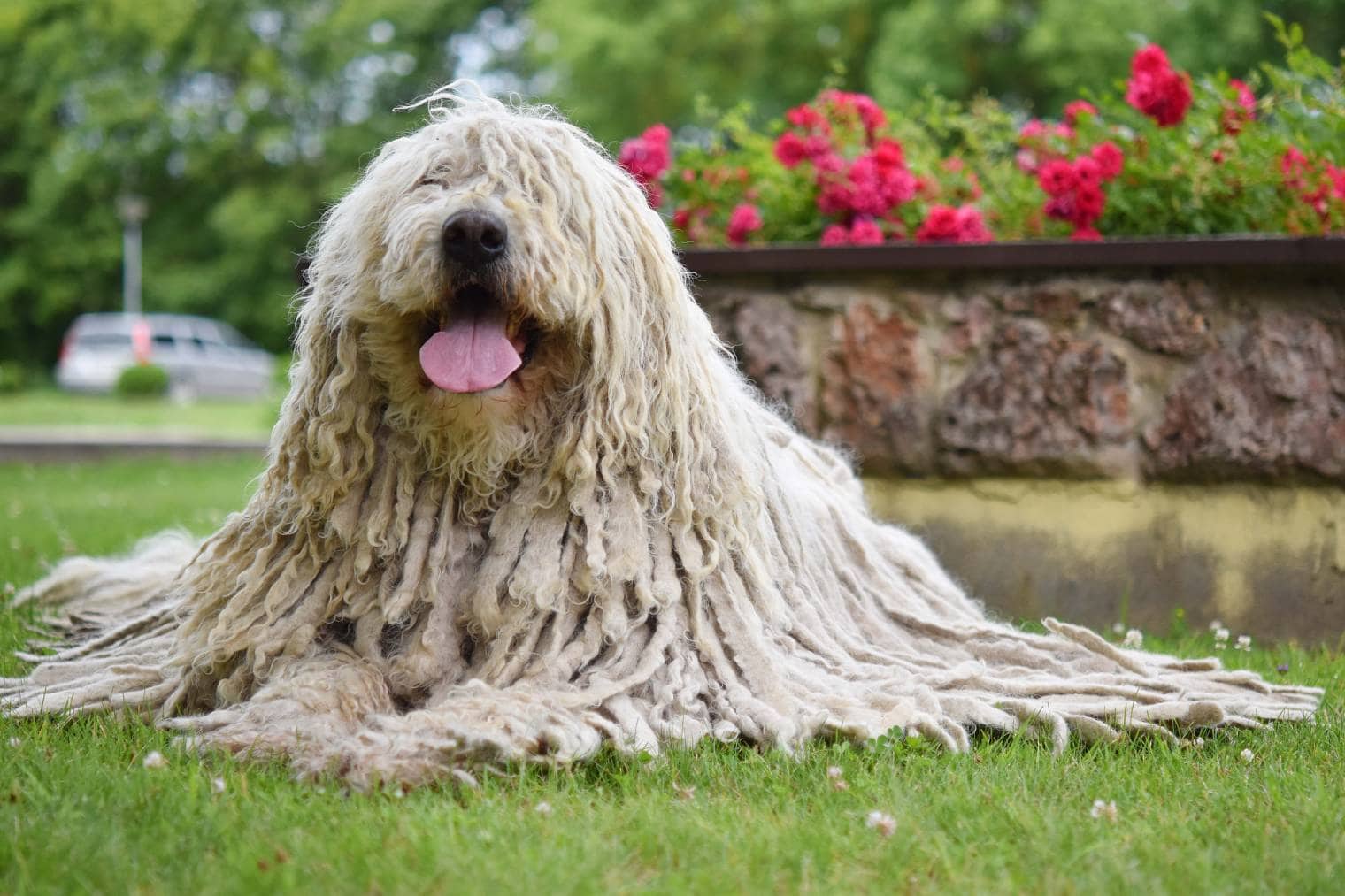
One of the first things that stands out about the Komondor is, of course, its distinctive coat. Made up of a soft, woolly undercoat and a coarser outer coat, the Komondor‘s hair naturally clumps together into tight cords as the dog matures. These cords continue to grow throughout the dog‘s life, often reaching 8-12 inches or more in length.
The cords serve several purposes, from protecting the dog from extreme weather and potential injuries to helping them blend in with their flock. They also give the Komondor a truly unique appearance that has earned them nicknames like "mop dog" and "dreadlock dog". Color-wise, Komondors are always white, a trait that likely developed to help shepherds distinguish them from wolves and other threats to the flock.
In terms of size, the Komondor is a large and substantial dog. Males typically stand 27-28 inches tall at the shoulder and weigh 100-135 pounds, while females stand 25-27 inches and weigh 80-100 pounds. They have a powerful, muscular build, with a broad head, deep chest, and strong, straight legs. Their movement is described as light and nimble, allowing them to navigate rough terrain with ease.
Some key physical characteristics of the Komondor:
- Height: Males 27-28 inches, Females 25-27 inches
- Weight: Males 100-135 lbs, Females 80-100 lbs
- Coat: White, corded, grows continuously
- Build: Large, muscular, powerful
- Movement: Light, agile, surefooted
Temperament: Loyal Guardians with Independent Minds
The Komondor‘s temperament is largely shaped by their history as independent livestock guardians. These dogs are known for their courage, alertness, and strong protective instincts. They bond deeply with their family and can be incredibly devoted and affectionate with those they love. At the same time, they tend to be reserved or even suspicious towards strangers, always on the lookout for potential threats.
As independent thinkers, Komondors are intelligent dogs that are used to making decisions on their own. This can make them challenging to train, as they don‘t always see the need to follow commands unless they understand the reason behind them. They respond best to positive reinforcement and gentle, consistent guidance rather than harsh corrections.
Komondors have a strong instinct to guard and patrol their territory. They make excellent watchdogs and will fearlessly defend their family and property against any perceived threat. This guarding nature means they need careful socialization from a young age to learn what is and isn‘t a real danger. They can be territorial towards other dogs, especially those of the same sex, and may try to herd or chase smaller pets if not properly trained.
While devoted to their family, Komondors are not typically cuddly or clingy dogs. They enjoy being near their people but are content to watch over them from a distance. They have a calm, steady demeanor in the home but still need daily exercise and mental stimulation to stay happy and well-behaved. A bored Komondor is more likely to become destructive or develop problem behaviors.
The ideal owner for a Komondor is one who has experience with large, independent-minded breeds and is committed to providing the necessary training, socialization, and care. These dogs do best in homes with securely fenced yards where they can patrol and keep watch. They can adapt to a variety of living situations but do better in rural or suburban settings than busy urban areas.
Some key temperament traits of the Komondor:
- Protective and loyal to family
- Reserved or suspicious towards strangers
- Independent and intelligent
- Territorial and strong guarding instincts
- Calm and steady but needs regular exercise
- Requires firm, consistent training and leadership
Grooming: Maintaining the Mop
One of the most distinctive features of the Komondor is also one of their biggest care challenges: their long, corded coat. While the cords don‘t require daily brushing like some long-haired breeds, they do need specialized care to prevent matting and maintain their unique texture.
From birth to around 8-12 months old, a Komondor puppy‘s coat is relatively soft and wavy. During this time, the coat should be brushed regularly to remove tangles and encourage the formation of cords. Once the adult coat begins to come in, the cords will start to form naturally and should not be brushed out.
As the cords develop, they need to be separated and divided on a regular basis to prevent them from matting together. This is especially important in areas like the armpits, ears, and groin where friction can cause the cords to clump. Some owners choose to keep the cords trimmed to a more manageable length of 4-6 inches, while others prefer the dramatic look of longer cords.
Bathing a Komondor is a time-consuming process that involves thoroughly wetting each individual cord, applying shampoo, rinsing completely, and then squeezing out excess water. The cords must be allowed to air dry, which can take several hours or even a full day. Over-bathing can strip the natural oils from the cords, so most Komondors only need a bath every 1-2 months unless they get particularly dirty.
In addition to coat care, Komondors need their nails trimmed regularly, their ears checked and cleaned, and their teeth brushed just like any other dog. They shed very minimally, making them a good choice for those with allergies, but they are not completely hypoallergenic.
Key grooming points for Komondors:
- Cords need regular separating to prevent matting
- Brushing is only necessary for puppies, not adults
- Bathing is a time-consuming process done every 1-2 months
- Cords can be kept long or trimmed shorter for easier care
- Minimal shedding but not completely hypoallergenic
Health and Lifespan: A Generally Healthy Breed
Like many large breeds, Komondors can be prone to certain health issues such as hip dysplasia, bloat, and certain eye disorders. However, they are generally a robust and healthy breed with a lifespan of 10-12 years on average.
Responsible Komondor breeders screen their breeding stock for common genetic disorders to reduce the risk of these issues in their puppies. Potential owners should ask to see health clearances for the parents of any puppy they are considering. Regular vet check-ups, a nutritious diet, and keeping the dog at a healthy weight can also help prevent or manage many health problems.
Some potential health concerns for Komondors:
- Hip and elbow dysplasia
- Bloat (gastric dilatation volvulus)
- Eye disorders like entropion and ectropion
- Skin allergies or infections related to the cords
Komondor Lifespan:
- Average: 10-12 years
- Longest recorded: 17 years
The Komondor Today: A Rare but Cherished Breed
While the Komondor has a long and storied history, they remain a relatively rare breed today. According to the American Kennel Club, they ranked 173 out of 195 breeds in popularity in 2020, with only 83 new registrations that year. The Komondor Club of America estimates that there are less than 10,000 Komondors worldwide, with the majority found in Hungary and the surrounding region.
This rarity is partly due to the special care and handling that Komondors require, which limits their appeal as a mainstream family pet. Komondors are not the right fit for those looking for a low-maintenance or easy-going dog. They need owners who are willing to put in the time and effort to care for their coats, provide training and socialization, and give them the exercise and companionship they need.
However, for those who appreciate the Komondor‘s unique qualities and are prepared to meet their needs, these dogs can make wonderful companions. Their loyalty, courage, and dignified presence are truly special, and their striking appearance always draws attention and admiration from those they meet.
As more people learn about the breed and fall in love with their charms, it‘s possible that the Komondor may gradually gain in popularity over time. However, most Komondor enthusiasts prioritize quality over quantity, preferring to see these dogs placed in suitable homes rather than bred indiscriminately to meet demand. Protecting the integrity of the breed and ensuring that each Komondor ends up in a loving, responsible home is more important than increasing registration numbers.
Final Thoughts: A Magnificent Breed for the Right Owner
As a veterinarian and lifelong dog lover, I‘ve had the privilege of working with many different breeds over the years. But few have captured my heart quite like the Komondor, with their majestic appearance, larger-than-life personality, and rich history as guardians and companions.
Living with a Komondor is not for everyone – their size, strength, grooming requirements, and independent nature can be challenging for inexperienced or unprepared owners. But for those who have the knowledge, commitment, and appreciation for this unique breed, the rewards are immeasurable.
Watching a Komondor survey their surroundings with regal calm, seeing their cords flow as they run and play, and experiencing the depth of their loyalty and affection for their chosen people is truly special. These dogs may not be common or easy, but they are undeniably one of the canine world‘s most magnificent treasures.
Whether you are considering adding a Komondor to your family or simply want to learn more about this fascinating breed, I hope this guide has given you a comprehensive understanding of what makes these mop dogs so unique. With the right care, training, and appreciation, a Komondor can be a cherished companion and a true partner in life‘s adventures.