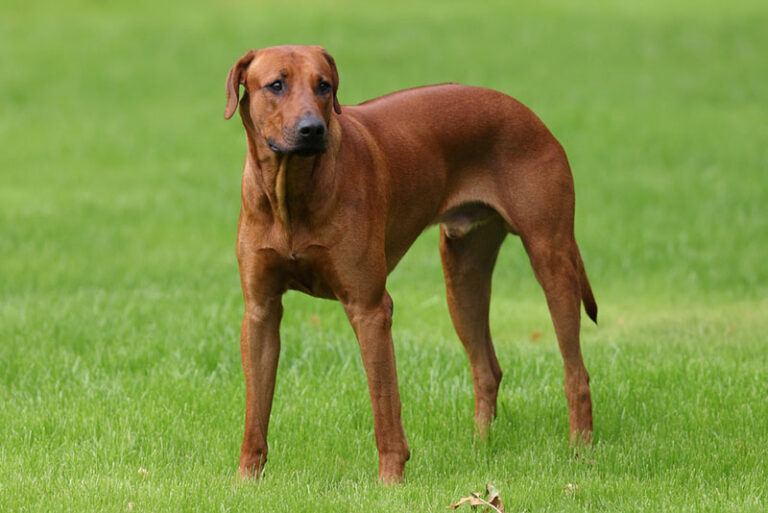
The Sarabi Dog: A Rare and Formidable Iranian Breed

As a veterinarian and lifelong dog lover, I‘m always eager to learn about rare and fascinating breeds. The Sarabi dog, also known as the Iranian Mastiff or Persian Mastiff, certainly fits that description. This giant livestock guardian from Iran is one of the most powerful, protective, and challenging breeds in the world.
A Breed Shaped by History and Purpose
The Sarabi‘s story begins in the rugged Sarab region of northwestern Iran. For centuries, the Sarabi served local shepherds by guarding flocks of sheep and goats against formidable predators like wolves, bears, jackals, and thieves. Some historians believe the breed may have originated from Molosser-type war dogs left behind by Alexander the Great‘s invading armies in the 4th century B.C.
Over time, the Sarabi developed into a mastiff-like dog uniquely adapted to its harsh environment and working role. Sarabis were bred to be large, strong, fearless, and relentlessly protective. The breed became an integral part of the culture and economy of the Sarab region, where they are still highly prized today.
A Powerful Physique
The first thing you‘ll notice about a Sarabi is its imposing size. Males can weigh up to 200 pounds (90 kg) or more and stand 35 inches (90 cm) tall at the shoulder. Females are only slightly smaller at around 150 pounds (70 kg) and 30 inches (76 cm) tall. This makes the Sarabi one of the biggest dog breeds in existence.
But the Sarabi isn‘t just tall and heavy – it‘s also incredibly muscular. This breed has a massive head, thick neck, broad chest, and heavily boned legs. The Sarabi‘s bite force has been measured at 743 PSI, stronger than that of a lion and on par with an African wild dog. For comparison, a German Shepherd has a bite force of 238 PSI.
The Sarabi‘s short, dense coat ranges in color from fawn to red to brindle, sometimes with white markings. The skin is thick and loose, especially around the neck where it forms characteristic folds. This, along with the dark mask on the muzzle, gives the Sarabi an intimidating look befitting its guardian heritage.
An Independent and Protective Temperament
As you might expect from its working background, the Sarabi is a highly independent, territorial, and protective breed. These dogs were developed to think for themselves and make decisions in the field. They have a strong instinct to guard their family and property against any perceived threat.
While deeply loyal and affectionate with their owners, Sarabis are aloof and suspicious towards strangers. They require extensive socialization from an early age to discriminate between welcome guests and intruders. Even then, a Sarabi will always be on alert, ready to defend its home if needed.
Sarabis have a high prey drive and will chase anything that moves, including cats, wildlife, and other dogs. They do best as the only pet in the household or may get along with another large dog of the opposite sex. Sarabis should never be left unsupervised with small animals.
Intensive Training Required
The Sarabi is not a breed for novice or unprepared owners. These independent-minded dogs need firm, consistent training from day one. Positive reinforcement methods are best, as Sarabis will not respond well to harsh corrections. Training should focus on basic obedience, socialization, and impulse control.
An untrained Sarabi can quickly become a liability. At 200 pounds and with strong guarding instincts, even an unintentional jump or pull on the leash could injure someone. Sarabis also tend to bark at anything they perceive as a threat, which can be problematic in urban or suburban settings.
Experienced owners who understand how to work with guardian breeds will have the best success training a Sarabi. It‘s essential to establish leadership and clear boundaries while still respecting the dog‘s natural instincts. With proper training, Sarabis can excel in obedience, agility, tracking, and of course, protection sports.
Exercise Needs and Living Situation
The Sarabi is a working breed with impressive athletic abilities. They require daily exercise in the form of long walks, hikes, or playtime in a securely fenced yard. A minimum of an hour of activity per day is recommended, but more is better. Without enough physical and mental stimulation, Sarabis can become bored and destructive.
Sarabis are not well-suited for apartment or city living. They do best in rural or suburban homes with lots of space to roam. A yard of at least 1/2 acre is recommended, with a sturdy 6-foot fence to contain these large, agile dogs. Sarabis should never be chained or tethered, as this can lead to aggression and other behavioral issues.
Despite their size, Sarabis are relatively calm indoors and can adapt to a sedentary lifestyle with enough outdoor activity. They are not excessive barkers unless alerting to something, and they have a medium energy level overall. Still, Sarabis need space to stretch out and may not be comfortable in small homes.
Health Concerns of Giant Breeds
Like most giant breeds, Sarabis are prone to certain health issues related to their size. Hip and elbow dysplasia, arthritis, and other orthopedic problems are common. Responsible breeders will screen their stock for these conditions and only breed dogs with healthy joints.
Bloat, or gastric dilatation-volvulus (GDV), is a life-threatening emergency that affects many large, deep-chested breeds. Symptoms include restlessness, excessive drooling, and a distended abdomen. Bloat requires immediate veterinary care and often surgery to correct. Feeding smaller meals throughout the day and avoiding exercise after eating can help prevent bloat.
Obesity is another concern for Sarabis, as excess weight puts additional strain on their already taxed joints. Owners should monitor their Sarabi‘s body condition and adjust feeding and exercise as needed to maintain a healthy weight. A high-quality, large-breed formulated diet is recommended.
With proper care, Sarabis can live 10-12 years on average. This is a remarkably long lifespan for a dog of this size, as most giant breeds only live 6-8 years. Regular veterinary check-ups, preventive care, and a healthy lifestyle can help Sarabis reach their full potential.
The Rarity and Cost of Sarabi Ownership
The Sarabi is an extremely rare breed outside of Iran, with only a handful of breeders worldwide. In Iran, Sarabis are still used as working livestock guardians and are not commonly kept as pets. Estimates suggest there may be fewer than 1,000 Sarabis in existence globally.
As such, finding a Sarabi puppy can be a challenge. Prospective owners may need to join a waiting list and be prepared to travel to get their dog. Prices for Sarabi puppies can range from $2,000 to $5,000 or more, depending on the breeder and bloodline.
Owning a giant breed like the Sarabi also comes with significant costs. Adult Sarabis may eat 8-10 cups of high-quality food per day, costing $100 or more per month. Veterinary bills, grooming supplies, and sturdy equipment like leashes and collars are also more expensive for larger dogs.
In addition to the financial cost, Sarabi ownership requires a major time and energy commitment. These dogs need daily exercise, training, and socialization to thrive. They are not well-suited for busy families or those who travel frequently, as they bond closely with their owners and need a consistent routine.
A Magnificent but Challenging Breed
As a veterinarian, I can attest that the Sarabi is not the right breed for everyone. These dogs require an experienced, dedicated owner who can provide firm leadership, extensive training, and a suitable living environment. Even then, Sarabis may not be a good fit for homes with small children or other pets.
However, for the right person, the Sarabi can be an incredibly loyal, protective, and impressive companion. These dogs have a noble presence and a deep bond with their family. They are intelligent, trainable, and excel at tasks like guarding, tracking, and obedience.
It‘s important for potential Sarabi owners to do their research and carefully consider if they can meet the breed‘s needs. Talking to experienced owners, reputable breeders, and trainers can give valuable insights into life with a Sarabi. Visiting a breeder in person to meet adult dogs is also highly recommended.
Owning a rare and powerful breed like the Sarabi comes with great responsibility. These dogs depend on us to provide the structure, care, and guidance they need to thrive. When we fail in that duty, it‘s the dogs who suffer. Sadly, many Sarabis end up in shelters or rescues because their owners were unprepared for the realities of the breed.
But when placed in the right home, the Sarabi can be a truly amazing companion. With their fierce loyalty, incredible strength, and gentle soul, Sarabis have captured the hearts of dog lovers around the world. By sharing the breed‘s story and promoting responsible ownership, we can help ensure a bright future for these magnificent dogs.
As a lifelong dog lover, I am honored to share my knowledge and passion for the Sarabi breed. These dogs embody the best of what we love about our canine companions – their courage, devotion, and unwavering spirit. While not for everyone, the Sarabi will always have a special place in my heart.
Resources and Further Reading:
- Alderton, D. (2008). The encyclopedia of dogs. London: Dorling Kindersley.
- Buzhardt, L. (2022). Gastric Dilatation and Volvulus in Dogs. VCA Animal Hospitals. https://vcahospitals.com/know-your-pet/gastric-dilatation-and-volvulus-in-dogs
- Mehrkam, L. R., & Wynne, C. D. L. (2014). Behavioral differences among breeds of domestic dogs (Canis lupus familiaris): Current status of the science. Applied Animal Behaviour Science, 155, 12-27. https://doi.org/10.1016/j.applanim.2014.03.005
- Onar, V., Armutak, A., Belli, O., & Konyali, A. (2002). Skeletal remains of dogs unearthed from the Van-Yoncatepe Necropolises. International Journal of Osteoarchaeology, 12(5), 317-334. https://doi.org/10.1002/oa.635
- Sarab Working Iranian Dog. (2018, June 14). Molosser Dogs. https://molosserdogs.com/breeds/sarab-working-iranian-dog1173/