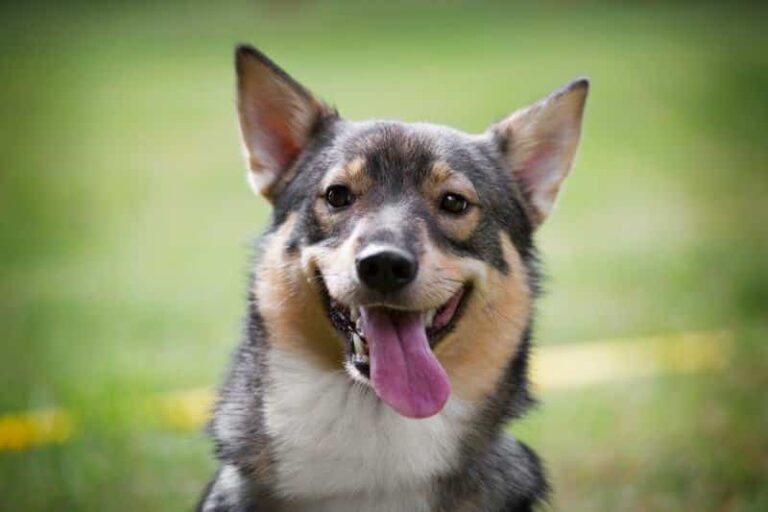
The Schipper-Poo: A Comprehensive Guide to the Schipperke Poodle Mix

Are you looking for an intelligent, lively, and affectionate companion? Look no further than the Schipper-Poo! This designer hybrid combines the playful and curious Schipperke with the smart and athletic Poodle. The result is a charming little package bursting with personality.
In this in-depth guide, we‘ll explore everything you need to know about the Schipper-Poo, from their history and appearance to their temperament, training, health, and care requirements. By the end, you‘ll have a clear sense of whether this delightful mixed breed might be the perfect match for you and your family. Let‘s dive in!
Breed History and Origin
To understand the Schipper-Poo, it helps to know a bit about where they come from. As a fairly new hybrid, they don‘t have much history of their own – but their parent breeds certainly do!
The Schipperke
The Schipperke hails from Belgium, where they earned the nickname "little captain" (which is what "schipperke" means in Flemish). Experts believe the breed descended from the black sheepdog, gradually being bred down in size.
Historically, Schipperkes served as small watchdogs and exterminators on barges and riverboats. Their compact size, bold nature, and ratting abilities made them ideally suited for life on the water. Over time, they also became popular as companion dogs.
Some key Schipperke facts:
- Typically weigh 10-16 pounds and stand 10-13 inches tall
- Coat is solid black, short, and dense with a ruff around the neck and chest
- Alert, curious, confident, and mischievous little dogs
- Very energetic and need lots of exercise and mental stimulation
- Known for being independent thinkers and sometimes stubborn
The Poodle
Poodles actually originated in Germany, not France as many people believe. The name likely derives from the German word "pudeln," which refers to splashing in water. Indeed, the Poodle was bred to be a water retriever – those fancy haircuts served a practical purpose by warming their joints and organs while still allowing easy movement in the water.
Over time, Poodles shifted into being primarily companion dogs and three size varieties emerged: Standard, Miniature, and Toy. They excel in many canine sports and activities due to their incredible intelligence and athleticism.
Some key Poodle facts:
- Standard Poodles stand over 15 inches tall and weigh 45-70 pounds, Miniatures are 10-15 inches tall and weigh 10-15 pounds, and Toys stand under 10 inches and weigh 4-6 pounds
- Coat is dense and curly, can be many solid colors including black, white, cream, apricot, red, brown, silver, and blue
- Highly intelligent, eager to please, active, and playful
- Low-shedding and often tolerated well by people with allergies
- Require regular professional grooming to maintain coat
Schipper-Poo Appearance
Schipper-Poos are still quite rare, so there isn‘t a firmly established breed standard for their appearance yet. In general, they tend to be small-to-medium dogs, with most falling in the 10-30 pound range and standing 10-15 inches tall at the shoulder. The exact size will depend on what type of Poodle is used for the cross – Toy Poodles will produce a smaller Schipper-Poo than Miniature or Standard Poodles.
Their coats are usually a mix of Poodle curls and the denser Schipperke-style fur. Grooming needs will depend on what type of coat they inherit. Curly Poodle-like coats will need regular brushing and trips to the groomer every 4-8 weeks. Schipperke-like coats are lower maintenance but shed more.
Common coat colors include:
- Black (most prevalent)
- Black and white
- Gray
- Silver
- Blue
- Brown
- Apricot
- Red
The face and head of a Schipper-Poo usually leans more Schipperke, with a fox-like appearance, upright ears, and a slightly rounded, wedge-shaped head. The body is often more Poodle-like with long legs and a square, athletic build.
Their tails are an interesting feature – some have a long Poodle-style tail while others inherit the Schipperke‘s natural bobtail. Docking is also still done by some breeders, so you may see Schipper-Poos with little nubbin tails too.
Schipper-Poo Temperament and Personality
The Schipperke and Poodle are both highly intelligent, energetic, and playful breeds – so it‘s no surprise their offspring inherit similar traits! Schipper-Poos are lively, curious, and confident dogs that love being the center of attention.
Like the Schipperke, they tend to have a mischievous streak and can be independent thinkers. This, combined with the Poodle‘s innate smartness, means they can easily dream up their own fun – which can sometimes mean getting into trouble! Plenty of exercise, training, and mental enrichment is a must to keep them from putting their active minds to work in destructive ways.
Schipper-Poos bond very closely with their people and crave being part of all the action. They can be prone to separation anxiety if left alone too much or not properly acclimated to alone time. With their people, they are deeply affectionate, playful, and sometimes even downright clingy – there‘s a good chance your Schipper-Poo will be forever glued to your side!
Despite their small size, Schipper-Poos make alert and bold watchdogs (just like Schipperkes were tasked to do on boats). They won‘t hesitate to sound the alarm if they spy a stranger or something out of the ordinary. Early and frequent socialization is important to keep this guarding instinct from morphing into fearfulness or reactivity.
With proper socialization, Schipper-Poos are very friendly, playful, and outgoing. They typically love meeting new people and happily greet everyone as a long-lost friend. Most also get along great with other dogs and can even do well with dog-savvy cats if raised together. Their prey drive may cause them to chase small furries though, so supervision is key.
When it comes to kids, Schipper-Poos make wonderful playmates for active, older children who know how to treat them gently and with respect. They may not be the best choice for babies and toddlers simply because they‘re so high-energy and could accidentally knock over little ones in their enthusiasm.
Intelligence and Trainability
As the offspring of two highly intelligent breeds, it‘s no surprise Schipper-Poos have smarts in spades! They are very quick learners that pick up on new commands and tricks with ease. Their desire to please and zest for mental stimulation means they typically take to training quite readily.
That said, the Schipperke‘s independent streak can add a layer of challenge. Some Schipper-Poos inherit a stubborn, "what‘s in it for me?" attitude that can frustrate novice owners. Firm, consistent leadership and positive reinforcement using high-value rewards is a must! A sense of humor also goes a long way, as these impish pups seem to love pushing buttons just to get a reaction sometimes.
With a dedicated owner willing to put in the training work, Schipper-Poos can excel in a variety of dog sports like obedience, agility, rally, and even things like dock diving and flyball. Giving them an outlet to exercise both body and mind is one of the best ways to keep them happy and out of trouble.
Even if you don‘t plan to compete, teaching your Schipper-Poo basic manners and fun tricks is still very important. Plan to dedicate at least a few short training sessions every day to keep their mind engaged. Puzzle toys and games are also a great way to challenge them mentally.
Exercise Needs
The Schipper-Poo is a busy little dog that needs a good amount of daily exercise – typically at least an hour split into a couple sessions. A few brisk walks and some vigorous playtime should do the trick for most. Without enough physical and mental exercise, destructive behaviors like excessive barking, chewing, and hyperactivity will likely crop up.
This cross especially enjoys exercise that engages both mind and body. A simple walk around the block probably won‘t cut it – they‘d much rather go on a "sniffari" hike, play a rousing game of hide and seek, or go through their paces on the agility course! Swimming is another great option since Poodles are water dogs. Regardless of the activity, the more you can mix it up and make it fun, the better for this smart, easily-bored hybrid.
While they have plenty of energy, the Schipper-Poo is thankfully small enough to get a decent workout indoors if need be. A game of hallway fetch or practicing some new tricks can help take the edge off on days when long outdoor adventures aren‘t possible.
Grooming and Care
The grooming needs of a Schipper-Poo will depend on what type of coat they inherit. If they take after the Poodle parent, regular brushing (at least a few times a week) is a must to prevent matting and tangles. They‘ll also need a full groom including bath, haircut, nail trim, ear cleaning, and dental care every 4-8 weeks.
Schipper-Poos with more Schipperke-like coats may shed a bit, but are overall lower maintenance in the grooming department. A good brushing once a week and the occasional bath should suffice. They‘ll still need regular nail trims and dental care.
Regardless of coat type, it‘s a good idea to get your Schipper-Poo used to being brushed and handled from a young age. This will make grooming a much more pleasant experience for everyone involved! If you‘re not confident doing it yourself, find a professional groomer you trust.
In addition to grooming, Schipper-Poos need their ears checked weekly for signs of infection (redness, odor, discharge) and cleaned as needed to prevent wax and moisture build-up. Dental care in the form of daily tooth brushing and occasional professional cleanings is also important for overall health.
Health and Lifespan
Schipper-Poos are generally healthy dogs with a lifespan of 12-15 years on average. Of course, there‘s no guarantee any individual dog won‘t develop health issues – but going with a responsible breeder who health tests their breeding stock stacks the odds in your favor.
Some potential health concerns to be aware of include:
- Hip dysplasia
- Patellar luxation
- Eye issues like progressive retinal atrophy
- Epilepsy
- Addison‘s disease
- Thyroid issues
- Bloat
Many of these issues have genetic components, so again – choosing a good breeder is key. Once you have your Schipper-Poo, feeding a high quality diet, keeping them at a healthy weight, providing enough exercise, and scheduling regular vet check-ups will all help promote a long, healthy life.
Who is the Schipper-Poo Best Suited For?
The Schipper-Poo can be a wonderful companion for the right person or family. They may be a great fit for you if:
- You‘re looking for a small-ish but sturdy and athletic dog
- You‘re able to provide at least an hour of exercise and playtime each day
- You enjoy training and are committed to socializing them properly
- You don‘t mind regular grooming (or are willing to pay a professional)
- You have older, respectful kids (or no young kids)
- You want a dog that will be very attached to you and your family
- You‘re looking for a lively, entertaining companion to keep you on your toes!
On the flip side, a Schipper-Poo may not be the best choice if:
- You work long hours and can‘t bring them along or arrange for a pet sitter
- You prefer a couch potato dog or have limited mobility
- You want a completely non-shedding dog (not guaranteed with Schipper-Poos)
- You have babies or toddlers that could get knocked down by an enthusiastic pup
- You‘re not able or willing to commit to training and socialization
- You prefer a very easygoing, low-key dog
- You want a dog that‘s good being left alone for long periods
Finding a Schipper-Poo
Since Schipper-Poos are still fairly uncommon, you may need to do some searching to find a reputable breeder. Avoid pet stores and online ads that seem sketchy – responsibly-bred puppies won‘t be sold this way. Expect to be put on a waiting list, as most good breeders only produce a few litters a year.
When interviewing breeders, make sure they do the following:
- Health test their breeding dogs (hip, knee, eye, and thyroid evaluations at a minimum)
- Raise puppies indoors as part of the family
- Provide early socialization and age-appropriate training
- Offer a health guarantee and take puppies back at any age if needed
- Ask you lots of questions to make sure you‘re a good fit for one of their puppies!
Also ask to meet at least the mother dog (and father if he‘s on site). She should be friendly and confident, not fearful or aggressive. Puppies and their living area should be clean, well-socialized, and healthy-looking.
Alternatively, you could search for an adult Schipper-Poo in need of re-homing. This allows you to skip the crazy puppy stage and more easily assess temperament. Reach out to Poodle, Schipperke, and all-breed rescues to ask about any Schipper-Poos (or convincing mixes) in their care.
Final Thoughts
The Schipper-Poo may be small in stature, but they‘re big on brains, energy, and affection! For active singles, couples, or families looking for a lively, loving companion to keep them on their toes, this Schipperke-Poodle mix can be a stellar choice. Just make sure you‘re up for the training and exercise needs of this clever, mischievous hybrid.
With a lifetime of love, laughter, and devotion ahead, bringing a Schipper-Poo into your life and home may just be the best decision you‘ll ever make! Their intelligence, playfulness, and loyal nature are sure to keep you endlessly entertained. If you think you‘re the perfect match for a Schipper-Poo, start your search for a reputable breeder or rescue today – your new best friend is out there waiting for you!