The Shiba Jindo Mix: An Insider‘s Guide for Dog Lovers
As a lifelong dog lover and veterinarian, I‘m always on the lookout for unique and fascinating breeds. One rare hybrid that has recently caught my eye is the Shiba Jindo—a captivating cross between the ancient Japanese Shiba Inu and Korean Jindo. By combining the best traits of these two Spitz-type breeds, the Shiba Jindo offers the boldness and agility of a Shiba with the keen senses and devoted nature of a Jindo.
If you‘re considering adding a Shiba Jindo to your family, you likely have many questions about this uncommon canine. In this comprehensive guide, we‘ll take an in-depth look at the Shiba Jindo‘s background, characteristics, care requirements, and more to help you decide if this delightful dog is the right fit for your lifestyle. As an expert on canine health and behavior, I‘ll share my professional knowledge and insights from Shiba Jindo owners so you know exactly what to expect from this spunky, foxy-faced companion.
Breed History: The Shiba Inu and Jindo
To fully understand the Shiba Jindo mix, let‘s first explore the fascinating history behind their purebred parents. Both the Shiba Inu and Jindo boast ancient lineages as prized hunting dogs in their native lands.
The Spunky Shiba Inu
Hailing from Japan, the Shiba Inu is the country‘s smallest native Spitz breed with a history spanning over 3,000 years. Experts believe Shibas originated in 300 B.C. as hunting companions for the Jomon people, pursuing small game like rabbits and birds in the mountainous terrain. Their name translates to "brushwood dog" in Japanese, which may refer to their red coat or the brush they navigated while hunting.
Shiba Inus almost faced extinction during World War II due to bombing raids and a distemper outbreak. Thanks to the efforts of dedicated breeders, the plucky Shiba survived and has steadily grown more popular worldwide in recent decades. Some key milestones:
- Shiba Inus arrived in the U.S. in 1954 with an American military family
- In 1979, the first recorded U.S. litter was born
- The American Kennel Club recognized the breed in 1992
- As of 2022, Shiba Inus ranked as the 44th most popular breed in the U.S. out of 204 AKC-recognized breeds
The Loyal Korean Jindo
Also an ancient Spitz-type breed, the Korean Jindo Dog (or Jindo-gae) originated on Jindo Island off the southwest coast of South Korea. For centuries, these resilient canines served the island‘s human residents as skilled hunters, vigilant watchdogs, and faithful companions. With their keen senses and fearless nature, Jindos were prized for hunting wild boar, deer, and badgers in the rugged island terrain.
Purebred Jindos have been protected under Korea‘s Cultural Properties Protection Law since 1962. The Korean government even established a Jindo Dog Research and Testing Center on Jindo Island to preserve and promote the breed. Some interesting Jindo facts:
- In a 2009 study, Jindos displayed remarkably sensitive hearing, detecting sounds at just 0.1 decibels (compared to 1-20 decibels for other dog breeds)
- Jindos are still used for hunting, with a nose 1,000 times more sensitive than a human‘s
- These loyal dogs often form a strong attachment to one special person and may experience separation anxiety if apart from their beloved human
- The Jindo joined the AKC in 2008 and is ranked 176 out of 204 breeds as of 2022
Shiba Inu vs. Jindo: A Comparison
While Shiba Inus and Jindos have distinctly different histories, these ancient breeds actually share many core traits. Both are fearless hunters known for their agility, independent thinking, and intensely devoted nature. However, some key differences set them apart:
| Trait | Shiba Inu | Korean Jindo |
|---|---|---|
| Size | 13-17 inches tall, 17-23 pounds | 19-24 inches tall, 30-60 pounds |
| Appearance | Foxy face, prick ears, curled tail | Bear-like head, upright ears, sickle tail |
| Coat | Thick double coat in red, sesame, or black and tan | Thick double coat in fawn, wolf gray, brindle, black, tan, or white |
| Temperament | Bold, spirited, adaptable | Strong guarding instincts, more aloof with strangers |
| Lifespan | 13-16 years | 12-15 years |
| Health | Generally healthy, prone to allergies, luxating patella, eye disorders | Generally healthy, prone to hypothyroidism |
| Trainability | Smart and trainable, but easily bored | Incredibly smart, need firm and consistent training |
The Shiba Jindo Mix: Traits and Characteristics
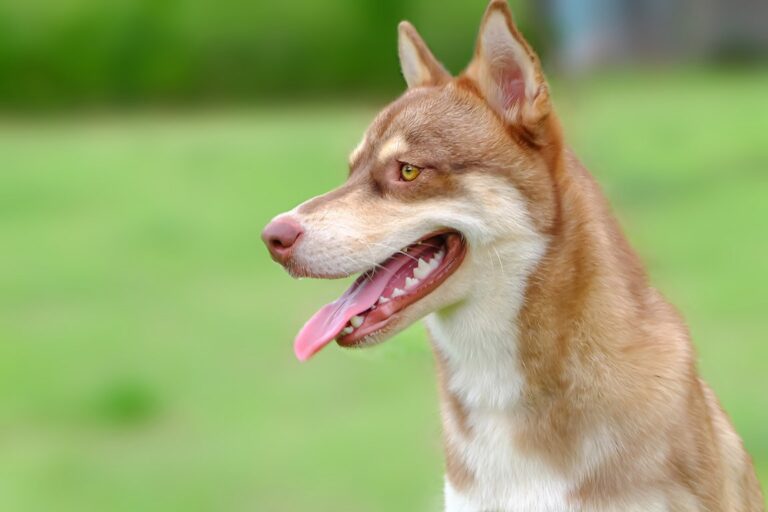
As a hybrid of two still-rare breeds, the exact traits of a Shiba Jindo mix can be hard to predict. In general though, you can expect an agile small-to-medium dog with the classic Spitz look—erect ears, almond eyes, dense double coat, and a curled or sickle-shaped tail.
Shiba Jindos typically stand 15-22 inches tall and weigh 20-40 pounds, with males usually larger than females. Their coat may come in any of the colors seen in Shibas or Jindos, including red, sesame, black and tan, cream, and white. Regardless of color, prepare for lots of shedding—these double-coated dogs blow their coat twice a year and require regular brushing to keep the fur under control.
Temperament
True to their independent, hunting-dog heritage, Shiba Jindos are bold, brave, and spirited companions with a mind of their own. They form incredibly strong bonds with their family but can be standoffish with strangers. While generally not aggressive, Shiba Jindos have strong protective instincts and make vigilant watchdogs.
As Liz C., owner of a 4-year-old Shiba Jindo named Koji, explained to me: "Koji is my little shadow and Velcro dog. He follows me everywhere and always wants to be by my side. But he‘s definitely suspicious of new people and will let out his ‘Shiba scream‘ to alert me if someone strange approaches."
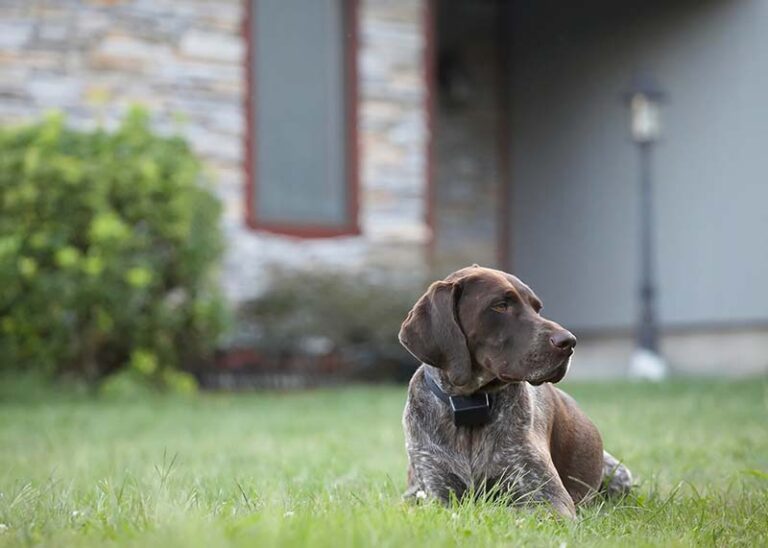
Like their parent breeds, Shiba Jindos have a high prey drive and love to chase. Squirrels, rabbits, cats, and sometimes even smaller dogs will trigger their hunting instincts, so a securely fenced yard is a must. Shiba Jindos also have a reputation for being escape artists. As veterinarian Dr. Parker warned: "Shiba Jindos are very smart and curious dogs. If they see an opening in your fence, they will likely take off exploring and can be difficult to catch. It‘s crucial to thoroughly inspect your yard for any potential escape routes."
Exercise and Training Needs
Bred to be hunting companions, Shiba Jindos are agile athletes that need ample daily exercise to stay happy and healthy. Expect to provide at least 60-90 minutes per day of physical activity, such as:
- Long walks
- Hiking
- Running
- Fetch
- Agility
- Scent work
Mental stimulation is equally important for these clever canines. Puzzle toys, interactive games, and training sessions will help keep their mind engaged and ward off destructive boredom behaviors.
Training is crucial for Shiba Jindos but requires patience and consistency. As highly intelligent, independent thinkers, they can be willful and easily bored by repetitive drills. Dr. Collins, a canine behaviorist, suggests: "Shiba Jindos respond best to positive reinforcement training using high-value treats or toys. Keep training sessions short and fun, focusing on rewards rather than punishment. With time and dedication, they can excel in obedience, agility, scentwork, and other dog sports."
Health and Lifespan
Shiba Inus and Jindos are both generally healthy breeds with an expected lifespan of 12-16 years. However, like all dogs, Shiba Jindos can be prone to certain inherited health issues such as:
- Allergies
- Hip dysplasia
- Patellar luxation
- Eye disorders like glaucoma, cataracts, and progressive retinal atrophy
- Hypothyroidism
The best way to avoid many potential problems is to get your Shiba Jindo from a reputable breeder who health tests their stock. Established breeders will screen for genetic issues and only breed dogs cleared of major health concerns.
Keeping your Shiba Jindo at a healthy weight, up-to-date on preventative care, and well-exercised will also help maximize their lifespan. Dr. Patel advises: "Shiba Jindos are active dogs that can be prone to obesity if overfed. It‘s important to feed a high-quality diet, avoid overdoing treats, and ensure they get enough daily exercise to maintain a healthy body condition. Regular vet visits, dental care, flea/tick prevention, and vaccinations are also key to a long, healthy life."
The Bottom Line
The Shiba Jindo mix is a unique companion dog that combines the bold spirit of a Japanese Shiba Inu with the keen senses and loyalty of a Korean Jindo. While still quite rare, these striking Spitz-type dogs are gaining fans thanks to their foxy good looks, vibrant personality, and devoted nature.
However, the Shiba Jindo is not the right fit for every family. As active, independent-minded dogs, they require experienced owners willing to put in the time and effort for training, socialization, and daily enrichment. Shiba Jindos also have strong hunting instincts and can be escape artists, so they need a securely fenced yard and should not be trusted off-leash.
If you work long hours, travel frequently, or live in a small space, a Shiba Jindo may not be the best choice. These dogs bond very closely with their humans and can develop separation anxiety if left alone too often. The breed‘s thick double coat sheds heavily and they can be standoffish with strangers, so they may not be ideal for homes with allergy sufferers or those who frequently entertain guests.
But for active singles or families looking for a smart, spirited companion to keep them on their toes, the Shiba Jindo can be immensely rewarding. With proper socialization and positive training, these endearing dogs make engaging, loyal, and protective family members that will always keep you laughing with their clownish antics. If you‘re ready for the challenge, a Shiba Jindo just might become your new best friend and partner in adventure.