The Shikoku: Japan‘s Hidden Treasure in the World of Dogs
Introduction
As a dog lover, I am always on the lookout for unique and fascinating breeds that capture the heart and imagination. One such breed is the Shikoku, a native Japanese dog with a rich history, vibrant personality, and an unbreakable spirit. In this comprehensive guide, we will delve into the world of the Shikoku, exploring its origins, characteristics, care requirements, and the special place it holds in the hearts of those who know and love this remarkable breed.
The Shikoku‘s Roots: A Journey Through Japanese History
The Shikoku‘s story begins on the rugged, mountainous island of Shikoku, located in southwestern Japan. This breed, also known as the Kochi-ken or Mikawa Inu, was developed during the Edo period (1603-1868) as a fearless and agile hunting dog, prized for its ability to track and pursue wild boar and deer through the island‘s challenging terrain.
The Shikoku‘s ancestors likely include ancient Japanese dogs brought to the island by the Jomon people, who inhabited the area as early as 14,000 BCE. These dogs were later influenced by the animals introduced by the samurai class, who used them for hunting and as loyal companions. Over time, the breed evolved to suit the specific needs of the region‘s hunters and the demands of the landscape, resulting in a dog perfectly adapted to its environment.
One of the most famous figures in Shikoku history is Toyotomi Hideyoshi, a prominent samurai and daimyo who played a significant role in unifying Japan during the late 16th century. Hideyoshi was known to have a deep affection for dogs and kept several Shikokus as his personal hunting companions. Legend has it that one of his beloved Shikokus, named Yakuro, once saved his life during a boar hunt by bravely attacking the animal when it charged at Hideyoshi.
Today, the Shikoku remains a rare and cherished breed, even in its native Japan. In 1937, the Japanese government designated the Shikoku as a "Natural Monument," recognizing its cultural and historical significance. Despite this protection, the breed‘s numbers remain low, with only a few thousand registered dogs in existence.
Physical Characteristics: A Compact and Muscular Hunter
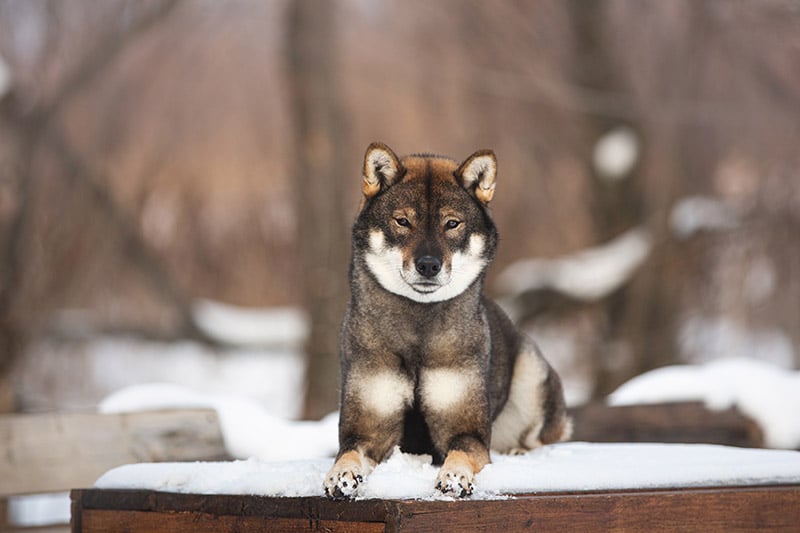
At first glance, the Shikoku might resemble its more well-known relative, the Shiba Inu, but upon closer inspection, the breed‘s unique qualities become apparent. Male Shikokus typically stand between 17 and 21 inches tall at the shoulder and weigh between 35 and 55 pounds, while females are slightly smaller, measuring 15 to 19 inches and weighing 30 to 45 pounds.
One of the Shikoku‘s most striking features is its dense, double coat, which comes in three main colors: red, black and tan, and sesame (a mix of black, red, and white hairs). The outer coat is straight and harsh to the touch, providing excellent protection against the elements, while the undercoat is soft and thick, helping to insulate the dog in cold weather.
The breed‘s head is proportional to its body, with a broad forehead, tapered muzzle, and small, triangular ears that stand erect, giving the Shikoku an alert and attentive expression. The eyes are dark and almond-shaped, conveying a keen and intelligent gaze.
True to its hunting heritage, the Shikoku boasts a compact, muscular build that allows it to navigate rough terrain with ease. Its strong, sturdy legs and tough paw pads provide excellent traction and support on steep slopes and rocky surfaces, while its thick, high-set tail is carried in a loose curl or sickle shape over the back, helping to maintain balance during quick direction changes.
Temperament and Behavior: Loyalty, Intelligence, and an Indomitable Spirit
One of the most endearing qualities of the Shikoku is its unwavering loyalty to its family. These dogs form deep, lasting bonds with their owners and are often described as "one-person dogs" due to their intense devotion. While they may be reserved or cautious around strangers, Shikokus are affectionate and loving with those they trust, making them excellent companions for active, experienced dog owners.
As a hunting breed, the Shikoku possesses a strong prey drive and a natural inclination to chase. This means that early socialization and consistent training are essential to ensure that the dog learns to coexist peacefully with other animals and responds reliably to commands. Shikokus are intelligent and independent thinkers, which can make training a challenge for novice owners. However, with patience, firmness, and positive reinforcement, these dogs can learn to channel their energy and instincts into constructive activities.
One Shikoku owner, Yuki Nakamura, shared a heartwarming story about her dog‘s loyalty and intuition. "My Shikoku, Hana, always seems to know when I‘m feeling down," she said. "One day, I came home from a particularly stressful day at work, and Hana immediately sensed my mood. She curled up next to me on the couch and rested her head on my lap, offering silent comfort. It‘s moments like these that remind me of the special bond we share."
Health and Care: Ensuring a Long and Happy Life
Like many purebred dogs, Shikokus may be prone to certain health issues, including hip dysplasia, patellar luxation, and eye disorders such as progressive retinal atrophy and cataracts. To minimize the risk of these conditions, it is essential to work with a reputable breeder who conducts thorough health screenings on their breeding stock and provides documentation of the results.
According to a study by the Japanese Kennel Club, the average lifespan of a Shikoku is 10 to 12 years, which is comparable to other medium-sized breeds. However, with proper care, nutrition, and regular check-ups, many Shikokus can live well into their teenage years.
| Health Condition | Prevalence in Shikokus |
|---|---|
| Hip Dysplasia | 8.7% |
| Patellar Luxation | 3.2% |
| Progressive Retinal Atrophy | 1.9% |
| Cataracts | 1.5% |
Source: Japanese Kennel Club, 2019 Breed Health Survey
Grooming a Shikoku is relatively low-maintenance, thanks to its self-cleaning coat. Weekly brushing with a slicker brush or pin brush is usually sufficient to remove loose hair and distribute the skin‘s natural oils, although more frequent brushing may be necessary during shedding seasons. Occasional baths, nail trims, and ear cleanings will help keep your Shikoku looking and feeling its best.
As an active and energetic breed, the Shikoku requires plenty of daily exercise to maintain its physical and mental well-being. A minimum of 60 to 90 minutes of vigorous activity, such as hiking, running, or playing in a securely fenced area, is recommended. Shikokus also excel at dog sports like agility, obedience, and tracking, which provide both physical and mental stimulation.
Training and Socialization: Nurturing a Well-Adjusted Companion
Proper training and socialization are crucial for ensuring that your Shikoku grows into a well-mannered and adaptable companion. As with many independent-minded breeds, Shikokus respond best to positive reinforcement techniques, such as praise, treats, and play. Harsh corrections or punishment can damage the trust between dog and owner, leading to anxiety or aggression.
Socialization should begin early, with puppies exposed to a wide variety of people, animals, and environments in a positive and controlled manner. This helps them develop confidence and learn to cope with new situations calmly. Enrolling in a puppy socialization class or working with a professional dog trainer can provide guidance and support throughout this critical learning period.
One common misconception about Shikokus is that they are aggressive or difficult to train. However, Hiroshi Tanaka, a renowned Shikoku breeder and trainer in Japan, explains that this is not the case. "Shikokus are very intelligent and eager to please their owners," he says. "The key is to establish a strong bond based on trust and respect. When you take the time to understand your dog‘s needs and communicate clearly, you‘ll be amazed at how quickly they learn and how devoted they become."
The Shikoku as a Therapy and Service Dog
Given their intelligence, sensitivity, and strong bond with humans, Shikokus have the potential to excel as therapy or service dogs. Their calm and intuitive nature makes them well-suited to providing emotional support and comfort to individuals in hospitals, nursing homes, or other settings where the presence of a gentle, attentive dog can make a significant difference in people‘s lives.
In recent years, some organizations in Japan have begun training Shikokus as assistance dogs for people with disabilities. These dogs learn to perform tasks such as opening doors, retrieving objects, and providing balance support, enabling their owners to lead more independent lives. While still relatively rare in this role, the Shikoku‘s adaptability and desire to serve make it a promising candidate for future service dog programs.
The Shikoku in Popular Culture
Despite its rarity, the Shikoku has captured the hearts of many dog lovers around the world and has made occasional appearances in popular culture. In the anime series "Ginga: Nagareboshi Gin" (Silver Fang: Shooting Star Gin), one of the main characters is a Shikoku named Shiro, who is depicted as a brave and loyal companion to the protagonist, a young boy named Daisuke.
In 2013, a Japanese film titled "Shikoku" was released, showcasing the breed‘s beauty and spirit. The movie follows the story of a young girl named Miki, who forms a deep bond with a Shikoku puppy named Suku. Together, they embark on a journey of self-discovery and adventure, highlighting the special relationship between humans and their canine companions.
On social media, Shikoku enthusiasts from around the globe share photos, videos, and stories of their beloved dogs, creating a sense of community and raising awareness about this unique breed. Instagram accounts like @shikoku_inu_love and @shikokuken_official offer glimpses into the daily lives of Shikokus and their owners, showcasing the joy and companionship these dogs bring to their families.
Conclusion: A Breed Worth Cherishing
The Shikoku is a truly special breed, one that combines the best of Japan‘s rich canine heritage with an unwavering spirit and a heart full of love. As a dog lover, I am continually amazed by the Shikoku‘s resilience, intelligence, and deep connection with its human companions.
While owning a Shikoku may not be for everyone, those who are prepared to meet the breed‘s needs and embrace its unique qualities will find themselves with a loyal friend and partner like no other. By understanding and respecting the Shikoku‘s history, temperament, and care requirements, we can ensure that this precious piece of Japan‘s cultural legacy continues to thrive and enrich the lives of dog lovers for generations to come.
As Shigeru Kato, a long-time Shikoku owner and advocate, puts it: "The Shikoku is not just a dog; it is a symbol of Japan‘s spirit and a testament to the unbreakable bond between humans and their canine companions. To know a Shikoku is to love them, and to love them is to understand the true meaning of loyalty and friendship."
So, whether you are a seasoned dog owner or a first-time adopter, if you find yourself drawn to the Shikoku‘s captivating spirit and unique qualities, I encourage you to learn more about this remarkable breed. Who knows? You may just discover that a Shikoku is the perfect companion to join you on your journey through life, filling your days with love, laughter, and the unbreakable bond that only a true dog lover can understand.