The Shorkie Tzu: Small Dog with a Big Personality
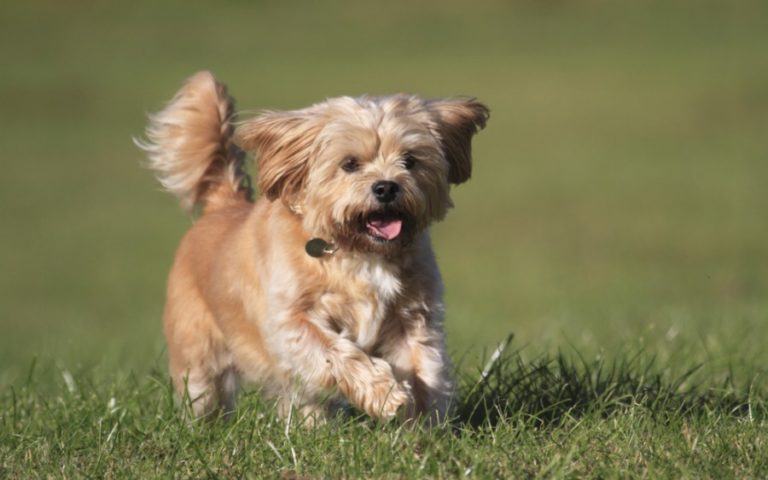
Are you looking for a petite pooch with a huge heart and even bigger personality? Then the Shorkie Tzu may be your perfect match! This adorable designer dog is a cross between the feisty Yorkshire Terrier and the sweet Shih Tzu. The result is a loyal, loving companion that will keep you laughing and your lap warm.
Breed History and Development
The Shorkie Tzu is still a relatively new hybrid breed, developed in the United States within the last 20-30 years. Breeders aimed to create a small, low-shedding companion dog that combined the most desirable traits of the parent breeds – the Yorkie‘s bold spirit and the Shih Tzu‘s laid-back, affectionate nature.
While no major kennel clubs currently recognize the Shorkie Tzu as an official breed, they have been steadily growing in popularity, especially among apartment dwellers, seniors, and allergy sufferers looking for a small, easy-to-maintain pet. The American Canine Hybrid Club, which advocates for hybrid breeds, does provide registration for Shorkies.
Shorkie Tzu Characteristics
| Trait | Shorkie Tzu |
|---|---|
| Size | Toy to Small |
| Height | 6 – 14 inches |
| Weight | 8 – 16 pounds |
| Coat | Long, silky, low-shedding. May be slightly wavy. Colors include black, white, tan, gold, brown, red |
| Face | Round head, short muzzle, dark round eyes, ears vary from floppy to pricked |
| Tail | Long and straight or slightly curved, often carried over the back |
| Lifespan | 10 – 16 years |
| Temperament | Playful, intelligent, affectionate, alert, bossy, vocal |
Sources: American Canine Hybrid Club, Dogtime.com
As a hybrid breed, Shorkies can vary quite a bit in appearance, even within the same litter. Some may look more Yorkie-like with longer snouts and erect ears, while others favor their Shih Tzu parent with flatter faces and floppy ears. Shorkies also come in a wide range of colors, with the most common being black, white, and tan. Many have a mix of several shades.
Compared to their parent breeds, Shorkies tend to fall somewhere in the middle size-wise. Yorkshire Terriers typically weigh 4-7 pounds and stand 8-9 inches tall, while Shih-Tzus average 9-16 pounds and 8-11 inches tall. So a full-grown Shorkie Tzu usually ranges from 8-16 pounds and 6-14 inches tall.
Temperament and Personality
Shorkies are known for being energetic, spunky, and full of life. They love to play and can be quite athletic and agile, zooming around the house or yard in a flash. But don‘t worry – they‘re also champion snugglers who adore nothing more than burrowing under the covers with you or curling up on your lap for a nap.
As much as Shorkies love their people, they can be wary of strangers, which makes them excellent little watch dogs. They will fearlessly alert you to any sign of potential danger, real or imagined. This propensity to bark, along with their Yorkie tenacity, means early and consistent training is a must.
"Shorkies definitely keep you on your toes," says Sarah M., proud owner of two Shorkie brothers in Dallas, TX. "They have so much personality packed into those tiny bodies. They make me laugh every single day with their antics, but they can also be super stubborn. Positive reinforcement training was key for us – lots of praise and treats when they got it right. But once they‘ve won your heart, you can‘t imagine life without them!"
Exercise and Activity Level
While Shorkie Tzus may be small, they are far from delicate lap dogs. These spunky pups have moderate to high energy levels and need a decent amount of exercise and mental stimulation to stay happy and healthy. Aim for at least 30-60 minutes of physical activity each day, broken up into a couple walks, playtime in the yard, and/or indoor games.
Shorkies love being the center of attention, so interactive play like tug-of-war, fetch, or hide-and-seek will keep their bodies and minds engaged. They‘re also quick learners, so training games and puzzle toys provide a great mental workout. Just keep an eye on them – Shorkies are curious explorers that like to get into mischief!
Despite their high energy in short bursts, Shorkies are very adaptable to different living situations. They make great apartment dogs as long as they still get their daily exercise. Access to a small yard is a bonus for burning off zoomies, but not a necessity.
Grooming and Coat Care
One of the Shorkie‘s most striking features is their long, luxurious coat. While it looks high-maintenance, it‘s actually quite easy to care for with the right tools and routine. Brush your Shorkie at least 2-3 times per week with a soft-bristle brush or metal comb to remove any tangles and distribute natural skin oils. You may need to brush more frequently if your pup has a particularly long or silky coat.
Shorkies also need regular haircuts every 6-8 weeks to keep them looking neat and prevent matting. Many owners opt for a "puppy cut" which is a short, even trim all over the body. This low-maintenance style is especially popular in the summer months. You can learn to do this yourself with some dog grooming clippers, or take your Shorkie to a professional groomer.
Don‘t forget about dental care! Small breeds like Shorkies are prone to dental decay, so brushing their teeth daily or at least a few times a week is essential. Use a soft-bristled toothbrush and toothpaste made specifically for dogs. Dental chews and water additives can also help reduce plaque and tartar buildup.
Health and Lifespan
As a hybrid breed, Shorkie Tzus may benefit from what‘s known as hybrid vigor – the idea that crossbreeds are often healthier than their purebred parents due to increased genetic diversity. However, they can still inherit certain health issues common to the parent breeds.
According to the Orthopedic Foundation for Animals, some of the most common health concerns in Yorkshire Terriers and Shih Tzus include:
- Patellar Luxation: Dislocation of the kneecap, causing lameness
- Tracheal Collapse: Windpipe narrows or collapses, causing coughing and breathing issues
- Progressive Retinal Atrophy (PRA): Gradual deterioration of the retina leading to blindness
- Dental Disease: Tooth decay, gum inflammation, and tooth loss
- Portosystemic Shunt (PSS): Abnormal blood flow around the liver, leading to neurological issues
Responsible Shorkie breeders will screen their breeding stock for these and other genetic conditions to reduce the risk of passing them on to puppies. When searching for a breeder, ask about what specific health tests they perform and ask to see documentation.
With proper care, nutrition, and veterinary attention, Shorkies have an average lifespan of 10-16 years. Some may even live into their late teens!
Training and Socialization
Like their parent breeds, Shorkie Tzus are intelligent and eager to please, but they can also have a stubborn streak. They respond best to positive reinforcement training methods using plenty of treats, praise, and patience. Harsh corrections or punishment will only make them shut down or become defiant.
Start training your Shorkie as soon as you bring them home, focusing on basic obedience commands like sit, stay, come, and leave it. Keep training sessions short and fun to hold their attention. Socialization is also critical for this breed, as they can be suspicious of strangers and may develop fear-based aggression if not properly introduced to new people, animals, and environments.
Housetraining can be a challenge for toy breeds like the Shorkie. Their tiny bladders mean they need to go more frequently, and they can be sensitive to harsh weather. Consistency and vigilance are key. Take your Shorkie out first thing in the morning, after meals, and before bedtime. Watch for signs they need to go like sniffing, circling, or whining. Reward them with treats and praise when they potty in the right place.
Cost of a Shorkie Tzu
As a designer breed, Shorkie Tzu puppies can be quite expensive, ranging from $500 to $2000 or more depending on the breeder, location, and pedigree. Show-quality puppies with champion bloodlines will be on the higher end of that range.
In addition to the initial purchase price, there are many other costs to consider when bringing home a Shorkie puppy. According to the American Kennel Club, the average first-year cost of owning a dog is $3,221, and the average lifetime cost is $23,410.
Some of the initial expenses for a Shorkie puppy may include:
- Food and water bowls: $10-30
- Collar and leash: $10-30
- Bed and crate: $50-200
- Puppy food: $20-50/month
- Toys: $50-100
- Grooming supplies: $30-100
- Initial vet visit and vaccinations: $100-300
- Spay/neuter surgery: $200-500
- Microchip: $25-50
- Training classes: $100-300
Ongoing annual expenses for an adult Shorkie may include:
- Food: $200-600
- Routine vet check-ups: $200-800
- Dental care: $200-800
- Grooming: $300-600
- Toys and treats: $50-300
- Pet insurance: $300-800
- Miscellaneous (boarding, emergency vet care, etc.): $200-1000+
Is a Shorkie Tzu Right for You?
Shorkie Tzus can make wonderful companions for the right person or family. They are best suited for:
- Apartment dwellers or those with small homes
- Families with older, gentle children
- Seniors or individuals looking for a lap dog
- Allergy sufferers (Shorkies are low-shedding and considered hypoallergenic by many)
- Those willing to spend time on training and socialization
- Owners who want a small but sturdy dog to join them on adventures
On the flip side, Shorkies may not be the best fit for:
- Families with very young children who may accidentally injure a small dog
- Those who work long hours and can‘t be home often for potty breaks
- Individuals who want a completely silent dog (Shorkies can be barky)
- Those looking for a highly obedient dog (Shorkies can be stubborn)
- People with very limited budgets for grooming and vet care
If you think the Shorkie Tzu might be your ideal canine companion, take your time to research the breed, talk to other owners and reputable breeders, and meet some dogs in person before making a commitment. While adorable and affectionate, Shorkies are not the right dog for everyone.
With proper care, training, and love, your Shorkie Tzu will be a loyal and entertaining best friend for many years to come. Their silly antics, snuggly nature, and unconditional devotion will bring joy and laughter to your life every single day.