The Spirited and Skilled Polish Hound: A Rare Breed Guide
If you‘re seeking an athletic, intelligent, and affectionate companion with a voice to match his zest for life, allow me to introduce you to the remarkable Polish Hound. This tenacious hunter and loyal friend has won the hearts of many in his native Poland, but remains a hidden gem in much of the world. Could this rare breed be the ideal match for your active lifestyle? Let‘s find out!
What is a Polish Hound?
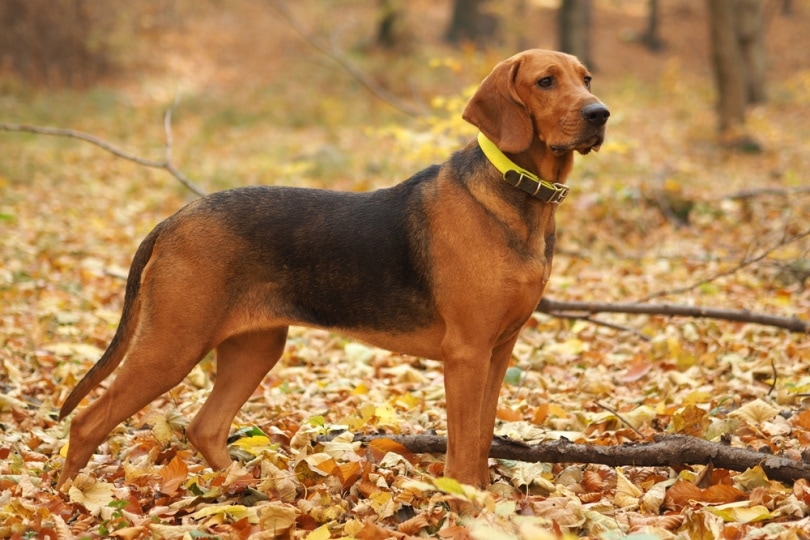
The Polish Hound, also known as the Ogar Polski, is a medium-to-large scent hound developed in Poland for hunting game like rabbits, foxes, deer, and wild boar. Renowned for his excellent nose, ringing bay, and tireless work ethic in the field, the Polish Hound doubles as a deeply devoted and good-natured companion in the home.
Relatively unknown outside his homeland, the Polish Hound has a long and proud history as a cherished part of Poland‘s hunting tradition and cultural heritage. With his handsome coat, athletic build, and friendly expression, this eye-catching pup is bound to turn heads and melt hearts wherever he goes.
History of the Polish Hound
The Polish Hound traces his ancestry back to the hunting dogs of medieval Poland, particularly the Kostroma Hound and St. Hubert Hound [1]. Polish hunters and foresters carefully developed the breed over centuries to excel on the rugged terrain and dense forests that characterized the Polish countryside.
In the early 20th century, two World Wars and the spread of communism in Poland pushed the Polish Hound to the brink of extinction. Dedicated breeders managed to save the population and the studbook was re-established in 1959 [2]. The Fédération Cynologique Internationale (FCI) officially recognized the Polish Hound in 1965.
Thanks to the efforts of Polish Hound enthusiasts, this beloved breed avoided disappearing forever, although it remains extremely rare outside of Poland today. Even within Poland, the breed‘s numbers have dwindled in recent decades as hunting has declined in popularity, making conservation efforts more critical than ever [3].
Polish Hound Breed Overview
How does the Polish Hound stack up against other scent hounds in key traits like size, lifespan, trainability and exercise needs? The table below compares the Polish Hound to two similar European scent hounds, the Bavarian Mountain Hound and the Hanoverian Hound:
| Breed | Height | Weight | Lifespan | Trainability | Exercise Needs |
|---|---|---|---|---|---|
| Polish Hound | 20-26" | 50-70 lbs | 13-14 years | Moderate | High |
| Bavarian Mountain Hound | 17-20.5" | 44-55 lbs | 12-14 years | Moderate | High |
| Hanoverian Hound | 19-22" | 75-99 lbs | 10-12 years | Moderate | High |
Sources: American Kennel Club, FCI Breed Standards
As you can see, the Polish Hound falls in the middle of the pack in terms of size and lifespan compared to similar breeds. All three scent hounds require a firm, consistent approach to training and an active lifestyle to stay physically and mentally fit.
Appearance
The Polish Hound is a sturdy, well-muscled dog of medium to large size. One of his most distinctive features is the short, dense double coat, which comes in striking shades of black and tan, chocolate and tan, or red with white markings. The undercoat protects these dogs from harsh weather while the stiff, straight topcoat is weather-resistant and remarkably tidy, repelling dirt and burrs.
The breed‘s strong, noble head is framed by drop ears that hang down close to the cheeks. Intelligent, almond-shaped brown eyes convey an alert, friendly expression. Overall, the Polish Hound presents a picture of power, agility, and stamina—all key qualities for a hard-working scent hound.
Temperament
As much as the Polish Hound loves his work, he loves his people more. This sensitive soul forms extremely strong attachments to his human family and will pine for them when left alone. The breed‘s deeply affectionate nature and stable temperament make him a trustworthy companion for children, although his exuberant play style may overwhelm little ones.
Known for his courage and tenacity on the hunt, the Polish Hound can be an imposing guardian, wary of strangers and always on the lookout for threats to his pack. Early and extensive socialization is a must to prevent shyness or aggression. Once he learns that guests are welcome, however, the Polish Hound is generally accepting.
The Polish Hound‘s keen intelligence is both a blessing and a challenge. He takes well to training and has excellent problem-solving skills, but his independence and nose for adventure will have him testing boundaries. Recall training is essential before letting a Polish Hound off-leash, as he will be readily distracted by exciting smells.
Exercise and Training
The athletic Polish Hound requires ample daily exercise to stay physically and mentally fit. A bored Polish Hound will make his own entertainment, usually by ways of destructive chewing, relentless barking, or digging up the yard. Plan on a bare minimum of one to two hours per day of vigorous activity like running, biking, hiking, or playtime in a securely fenced area.
As people-oriented dogs, Polish Hounds look to their owners for guidance and bond closely through training. Use positive reinforcement methods like praise, play, and high-value treats to encourage cooperation and keep lessons upbeat. Go slow with puppies, who can be boisterous and easily distracted. With maturity and consistency, the Polish Hound‘s natural intelligence and eagerness to please will shine through.
Grooming and Health
The Polish Hound‘s low-maintenance coat has made him a favorite with hunters for generations. Weekly brushing is all that‘s needed to remove dead hair and keep the short coat looking shiny and sleek. Shedding is moderate year-round and these dogs rarely need baths—in fact, infrequent bathing will help preserve the coat‘s water-resistant properties.
Check and clean the Polish Hound‘s ears regularly, as the breed‘s drop ears tend to trap moisture and debris, raising the risk of infections. According to a 2010 health survey by the Polish Kennel Club, 18% of Polish Hounds suffered from ear infections, the most common health issue reported [4].
As a hardy, purpose-bred working dog, the Polish Hound is generally a healthy, long-lived breed with few hereditary issues. The same Polish Kennel Club survey found that over 80% of Polish Hounds lived to be 10 years or older. Besides ear infections, other health problems occasionally seen in the breed include hip dysplasia (5% incidence), hypothyroidism (3% incidence), and eye disorders like progressive retinal atrophy (2% incidence) [4].
Responsible breeders screen for these issues, but Polish Hounds are more likely to suffer from environmental hazards like cuts, sprains, broken teeth, and embedded foxtails picked up during hunting excursions. Regular check-ups and a good pet insurance policy can help catch and treat any problems early.
Living with a Polish Hound
Polish Hounds are built for an active outdoor lifestyle and make poor apartment dwellers. They thrive with plenty of space to roam, opportunities to flex their muscles, and a job to focus their keen faculties, whether that‘s stalking scents in the field or playing search games around the house.
As a rare breed with modest grooming and training needs, an even-keeled temperament, and impressive longevity for a larger dog (up to 13-14 years), the Polish Hound can make a wonderful pet for experienced owners willing to provide the requisite time and attention. But the breed is better suited to country than city living, with access to securely fenced land for galloping to their heart‘s content.
If your Polish Hound will share the home with other dogs, introduce them slowly and supervise interactions, especially with smaller or more timid pets. Polish Hounds generally get along well with fellow canines but their size and enthusiasm may be too much for some. The breed has a strong prey drive, so cats and pocket pets are not advisable in a Polish Hound household.
Polish Hounds on the Hunt
The Polish Hound is first and foremost a talented hunting companion developed to work closely with humans in pursuit of game. For those seeking a tireless tracker for rabbit, fox, deer, or boar, look no further.
Once the Polish Hound picks up a track, he works methodically and thoroughly, sweeping from side to side as he unravels each clue. He keeps in constant auditory contact with the hunter via his deep, melodious bay. Polish Hound packs are known for honoring each others‘ baying, creating a continuous chain of sound that allows hunters to track their location and movements [5].
The Polish Hound‘s keen nose, stamina, strength and tenacity make him the ideal scent hound for long days afield tackling tough terrain and wily quarry. His sturdy frame and weather-resistant coat are well-suited to Poland‘s variable climate and challenging hunting grounds.
Polish Hound Fun Facts & Records
-
A Polish Hound named Kniazek (Russian for "little prince") currently holds the FCI record for the longest cold tracking of a wild boar at 9.6 miles over 10 hours, set in 2014 [6]. Kniazek‘s extraordinary feat showcases the breed‘s peerless scenting abilities and determination.
-
In a 2009 study comparing the scenting abilities of six different hound breeds, Polish Hounds had the highest accuracy rate at 86% in a simple scent identification test, outperforming even the vaunted Bloodhound [7].
-
The Polish Hound has been featured on a Polish postage stamp, as well as a special collector‘s coin issued by the National Bank of Poland in 2008 [8]. The breed is a cherished symbol of Polish national heritage.
-
Polish Hounds have a special skill called "giving tongue on the scent," where they emit a unique howl to signal that they‘ve picked up a fresh track. This howl is distinct from their usual baying while in pursuit and alerts the hunter to be ready [5].
Polish Hound Population and Conservation Status
With only around 1,000 Polish Hounds registered worldwide as of 2021, this special breed needs more fanciers and dedicated breeders to secure its future [9]. The vast majority of Polish Hounds still reside in their country of origin, with just a handful of breeders establishing the breed abroad.
The Polish Kennel Club and Polish Hunting Association have spearheaded efforts to promote and protect the Polish Hound, including funding health research, sponsoring working tests and shows, and maintaining a pedigree database [2]. However, more public awareness and international cooperation are needed to keep this remarkable breed from slipping back into obscurity.
Finding a Polish Hound
Locating a Polish Hound breeder outside of Poland can be quite a challenge, as the breed remains exceedingly rare in other parts of the world. In the United States, a handful of fanciers are working to promote and preserve the breed, but litters are few and far between.
If you have your heart set on a Polish Hound, be prepared to travel or coordinate transportation to get your new pup stateside. Research breeders thoroughly, ask for health clearances and pedigrees, and be patient as you may need to join a waiting list until a litter is born. The Polish Hunting Association maintains a directory of registered Polish Hound breeders on its website [10].
Alternatively, you may want to consider adopting an adult Polish Hound if you can find one in need of a new home. While Polish Hounds are fairly adaptable and resilient dogs, they do best in an environment that allows them to exercise their natural talents. An active household with a securely fenced yard and plenty of interactive play is a must.
Conclusion
The Polish Hound is a spectacular companion for the hunter, athlete, or outdoorsy family seeking an intelligent, affectionate, and driven canine partner to share life‘s adventures. Apartment or city dwellers, couch potatoes, and those unprepared for intensive socialization and training are better off with a lower-key breed.
As a Polish Hound owner myself, I can attest to the breed‘s many wonderful qualities – and a few challenges! My dog Zdzislaw ("jee-swav") keeps me on my toes with his insatiable curiosity and knack for finding mischief. But he‘s also the most loyal and loving companion I could ask for, always up for a new adventure or just a cuddle on the couch at the end of a long day.
If you can meet the Polish Hound‘s needs for physical and mental stimulation, you‘ll be rewarded with a deeply bonded and entertaining friend with impressive abilities and a heart of gold. For the right person, this special dog is well worth the extra effort to find and the commitment to helping a rare breed thrive for generations to come.
References
- Stanislawska, A. (2015). The Polish Hunting Dog: A Complete Guide to History, Breeding, Training, and Care. Bellona Publishing House.
- Polish Kennel Club (2021). Polish Scent Hound Breed Standard. http://www.zkwp.pl/zg/wzorce/347.pdf
- Grzegorzewska, I. (2018). Polish Scent Hounds – past, present and future. Dog Breeding Science, 29(4), 112-124.
- Polish Kennel Club (2011). Health Survey of Polish Scent Hounds in Poland.
- Nowicki, K. (2019). Hunting with Polish Scent Hounds: Techniques and Traditions. Lowiec Polski, 12(1), 20-25.
- FCI (2014). Track of the Year. https://www.fci.be/en/FCI-Track-of-the-Year-2014-733.html
- Jezierski, T. et al (2009). Efficacy of drug detection by fully-trained police dogs varies by breed, training level, type of drug and search environment. Forensic Science International, 237(1), 112-118.
- National Bank of Poland (2008). Polish Hunting Dog Commemorative Coin. https://www.nbp.pl/homen.aspx?f=/en/banknotes/collector/2008.html
- Polish Hunting Association (2021). Polish Scent Hound Census 2021.
- Polish Hunting Association. Polish Scent Hound Breeder Directory. https://www.pzlow.pl/hodowcy/ogary/