
Top 10 Applications of Sentiment Analysis in Business
In today‘s digital age, the explosion of social media, online reviews, and customer feedback has created a massive amount of opinion data ripe for analysis. For businesses, tapping into this data goldmine can provide invaluable insights into what customers, employees, and other stakeholders are really thinking and feeling.
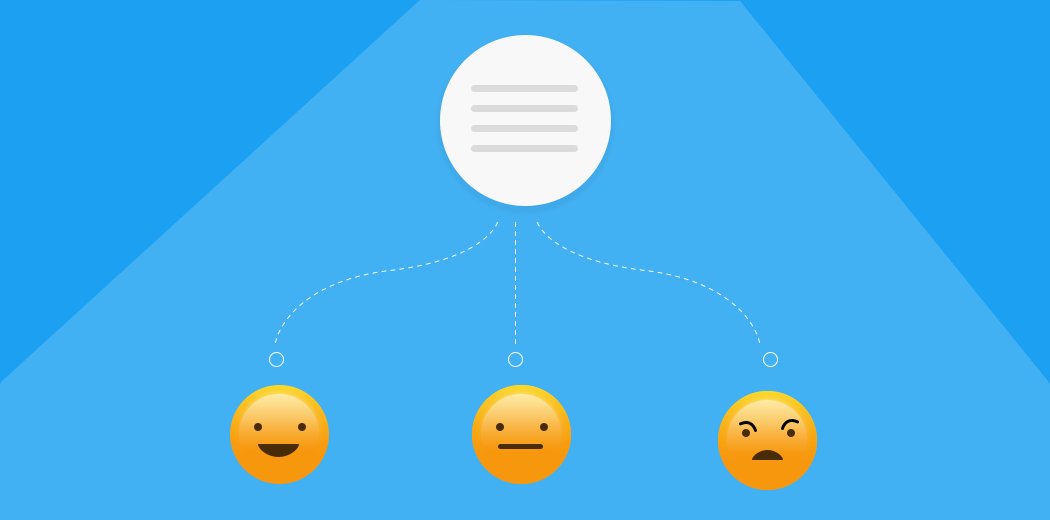
This is where sentiment analysis comes in. Sentiment analysis, also known as opinion mining, is a type of natural language processing that identifies and extracts subjective information from text, audio, and video data. By automatically analyzing the sentiment behind people‘s opinions, attitudes, and emotions towards a particular topic or entity, businesses can turn unstructured data into actionable insights.
The applications of sentiment analysis are vast and varied, spanning industries from retail and hospitality to finance and healthcare. As the volume of online opinion data continues to grow, sentiment analysis has emerged as an essential tool for businesses looking to stay competitive and responsive to their audiences. Here are the top 10 applications of sentiment analysis in business:
1. Social Media Monitoring
In the age of social media, a single negative tweet or post can quickly escalate into a PR crisis if left unchecked. Sentiment analysis allows businesses to monitor mentions of their brand, products, and services across social media platforms in real-time. By automatically classifying social media posts as positive, negative, or neutral, businesses can quickly identify and respond to negative sentiment before it spirals out of control.
Sentiment analysis can also help businesses track overall brand health and perception over time. By analyzing sentiment trends, businesses can gauge the impact of marketing campaigns, product launches, and other initiatives on social media. This can help inform future strategies and tactics to improve brand sentiment and drive positive engagement.
2. Customer Feedback Analysis
Customer feedback is a treasure trove of valuable insights for businesses looking to improve their products and services. However, manually sorting through thousands of reviews and survey responses can be a daunting task. Sentiment analysis can automatically analyze customer feedback from multiple channels, including reviews, surveys, and support tickets, to identify common themes and sentiments.
By pinpointing areas where customers are consistently expressing negative sentiment, businesses can prioritize improvements and address issues proactively. Conversely, identifying areas of positive sentiment can help businesses double down on what‘s working well and showcase their strengths. Sentiment analysis can also help track customer satisfaction levels over time, enabling businesses to measure the impact of changes and initiatives on customer sentiment.
3. Market Research and Competitive Analysis
Keeping a pulse on the market and staying ahead of the competition is crucial for businesses in any industry. Sentiment analysis can provide valuable insights into how a business‘s products and services stack up against competitors in the eyes of consumers. By analyzing online reviews, social media discussions, and other sources of opinion data, businesses can identify their strengths and weaknesses relative to the competition.
Sentiment analysis can also help businesses spot emerging trends and shifting consumer preferences in the market. By tracking sentiment around specific topics or keywords, businesses can identify opportunities to innovate and meet evolving customer needs. At the same time, sentiment analysis can alert businesses to potential threats and challenges in the market landscape, enabling them to adapt and stay ahead of the curve.
4. Employee Feedback and Engagement
Just as customer feedback is essential for improving products and services, employee feedback is crucial for creating a positive and productive work environment. Sentiment analysis can help businesses gain a deeper understanding of employee sentiment by analyzing internal communication channels, such as forums, surveys, and reviews.
By identifying common themes and sentiments in employee feedback, businesses can pinpoint issues that may be impacting morale and engagement. This can enable leaders to take proactive steps to address concerns, improve communication, and create a more supportive workplace culture. On the flip side, identifying areas where employees are expressing positive sentiment can help businesses understand what‘s working well and replicate those successes across the organization.
5. Brand Management and PR
In today‘s fast-paced media landscape, a brand‘s reputation can be made or broken in a matter of minutes. Sentiment analysis can help businesses stay on top of their brand perception by continuously monitoring sentiment across online channels. By tracking mentions of the brand and analyzing the sentiment behind them, businesses can quickly identify potential PR crises and take action to mitigate negative sentiment.
Sentiment analysis can also help inform a brand‘s overall communication strategy. By understanding the sentiment behind how people are talking about the brand, businesses can craft messaging and responses that resonate with their audience and shape the brand narrative in a positive direction. Over time, tracking brand sentiment can help measure the impact of PR and branding efforts and identify areas for improvement.
6. Product Analytics
In today‘s customer-centric marketplace, understanding how users feel about a product is just as important as tracking usage metrics. Sentiment analysis can provide valuable insights into user sentiment towards specific product features, functionalities, and overall user experience. By analyzing reviews, feedback, and social media discussions, businesses can identify what users love about their product and what they find frustrating.
These insights can help inform product roadmap prioritization, enabling development teams to focus on the features and improvements that will have the biggest impact on user sentiment. Sentiment analysis can also help measure the impact of product updates and changes on user sentiment, enabling businesses to quickly identify and address any issues or negative reactions.
7. Financial Analytics
In the fast-paced world of finance, sentiment can have a significant impact on market movements and investment decisions. Sentiment analysis can help financial institutions and investors stay ahead of the curve by analyzing sentiment across financial news, social media, and other online sources.
By tracking sentiment around specific stocks, commodities, or currencies, businesses can factor market sentiment into their trading algorithms and models. Sentiment analysis can also help identify potentially over or undervalued assets by comparing sentiment to underlying fundamentals. This can enable investors to make more informed decisions and potentially capitalize on market inefficiencies.
8. Customer Support Optimization
Customer support teams are on the front lines of managing customer sentiment and experience. Sentiment analysis can help support teams prioritize and route incoming queries based on the sentiment expressed in the message. For example, a highly negative or urgent query may be automatically escalated to a senior support agent for prompt resolution.
Sentiment analysis can also help identify common issues and topics driving negative sentiment in support queries. By proactively addressing these issues, businesses can reduce support volume and improve overall customer satisfaction. Additionally, analyzing sentiment can help evaluate the performance of individual support agents and identify areas for coaching and improvement.
9. Sales and Lead Generation
In sales, understanding a prospect‘s sentiment and emotions can be just as important as understanding their logical needs and pain points. Sentiment analysis can help sales teams gauge the interest and buying intent of prospects based on the sentiment expressed in their interactions, such as email conversations or social media engagements.
By prioritizing leads that express the most positive sentiment, sales teams can focus their efforts on the opportunities most likely to convert. Sentiment analysis can also help tailor sales messaging and approaches to individual prospects based on their specific sentiments and preferences. This personalized approach can help build stronger relationships and ultimately drive more successful outcomes.
10. Content Marketing Optimization
In the crowded digital landscape, creating content that resonates with the target audience is more important than ever. Sentiment analysis can provide valuable insights into how audiences are engaging with and reacting to a business‘s content across various channels.
By analyzing the sentiment expressed in comments, shares, and other engagements, businesses can understand which topics, formats, and channels are driving the most positive sentiment. These insights can inform future content strategies, enabling marketers to double down on what‘s working and optimize for audience preferences. Tracking sentiment over time can also help measure the impact of content marketing efforts on brand perception and customer engagement.
The Future of Sentiment Analysis
As the volume of online opinion data continues to grow, the importance of sentiment analysis for businesses will only continue to increase. With advancements in natural language processing and machine learning, sentiment analysis tools are becoming more sophisticated and accurate in their ability to understand the nuances and context behind human language.
Going forward, businesses that incorporate sentiment analysis into their strategies and decision-making processes will have a significant advantage over those that rely solely on traditional data sources. By tapping into the rich insights provided by sentiment analysis, businesses can stay closely attuned to the ever-changing needs, preferences, and emotions of their customers, employees, and other stakeholders.
At its core, sentiment analysis is about understanding and empathizing with the human experience. In a world where people are increasingly expressing themselves online, sentiment analysis provides a powerful tool for businesses to listen, learn, and adapt to the voices of their audiences. By embracing sentiment analysis as a key component of their data-driven strategies, businesses can build stronger, more emotionally resonant relationships with the people that matter most to their success.


