
Top 15 Most Popular Toy Breed Dogs in 2026 (With Pictures)

Toy Breed Dogs: The Top 20 Most Popular Petite Pals for 2024
Introduction
Are you looking for a pint-sized pooch to bring laughter, love and companionship into your life? Toy breeds pack huge personalities into small, cuddly packages. While they may not be suited for homes with very young children, toy breeds make ideal companions for singles, seniors, apartment dwellers and anyone who wants a lapdog to snuggle.
As a veterinarian and lifelong dog lover, I‘m excited to share the inside scoop on the top 20 most popular toy breeds for 2024. We‘ll dive into each breed‘s history, traits, care requirements and more to help you find your perfect petite match. But first, let‘s define what makes a dog a "toy" breed.
What Exactly Is a Toy Breed Dog?
The term "toy breed" refers to very small dogs typically weighing under 12 pounds. Unlike larger working dogs bred for jobs like hunting and herding, most toy breeds have been developed as companions – to be affectionate, amusing sidekicks for their humans. While small in stature, toys are known for their huge, vibrant personalities.
Because of their diminutive size, most toy breeds do best in homes without very young children who may accidentally injure them during play. Many are also better suited for a predictable routine without long work hours, as they can be prone to separation anxiety. That said, toy breeds come in a range of temperaments, activity levels and maintenance needs, so there really is a perfect toy companion for many different lifestyles.
Without further ado, let‘s meet the top 20 most popular toy breeds of 2024 according to the latest American Kennel Club (AKC) registration statistics.
- Pomeranians
The foxy-faced Pomeranian has been a favorite toy companion since the breed‘s development in the Pomerania region of Central Europe in the 18th century. Standing around 6-7 inches tall and weighing just 3-7 pounds, the Pom‘s diminutive size belies their bold, animated personality.
Poms are known for being alert, intelligent and very fond of their humans. They tend to be perky extroverts but can have a suspicious streak with strangers. Early socialization is a must for this vocal little watchdog. Their plush double coat requires frequent brushing but sheds dirt easily.
The breed‘s rising popularity has unfortunately made them a target for puppy mills and unethical breeders. Be sure to research responsible Pomeranian breeders who health test breeding stock to avoid issues like luxating patellas, heart defects and collapsing tracheas which can affect the breed.
- Chihuahuas
The world‘s smallest dog breed, the Chihuahua is a big dog in a tiny body. These 4-6 pound charmers originated in Mexico, where they were prized as companions by the upper class. Today, Chihuahuas rank as the 11th most popular breed in the U.S.
Chihuahuas are known for being loyal and attached to their special person but can be aloof or snippy with strangers if not properly socialized. They‘re generally too delicate for homes with young kids but make playful, portable companions for singles or seniors.
Chihuahuas come in two coat varieties – smooth and long. The smooth coat is soft and close to the body, while the long coat has feathering on the ears, legs and tail. Both varieties are very easy to groom. However, dental disease is prevalent in the breed, so tooth brushing should be part of their care routine.
Chihuahuas are prone to shivering and are intolerant of the cold due to their small size. They also tend to be difficult to housetrain – positive reinforcement and a consistent routine are key. The breed‘s popularity surge in the early 2000s led to indiscriminate breeding, so thoroughly vet potential breeders and be cautious of "teacup" varieties, which can have serious health issues.
- Shih Tzus
Known for their flowing locks and friendly faces, Shih Tzus were developed as companions for Chinese royalty as early as 1000 A.D. The name "Shih Tzu" means "lion" in Chinese, as they were bred to resemble the lion associated with Buddhist mythology.
Today, Shih Tzus are beloved for their affectionate and adaptable nature. They tend to get along well with kids, dogs and other pets. Most are laid back and happy to be a lapdog, but they do have a playful streak and enjoy short walks and games.
The breed‘s long, silky double coat is its crowning glory but requires daily brushing to prevent mats. Many pet owners opt for a "puppy cut" to reduce grooming needs. As a brachycephalic (flat-faced) breed, Shih Tzus can be prone to breathing issues and don‘t tolerate heat well.
Currently the 16th most popular breed, the Shih Tzu is an excellent choice for first time dog owners. They are very trainable and eager to please. However, housetraining can take patience. The breed is generally healthy but can be prone to eye problems, hip dysplasia and renal dysplasia.
- Yorkshire Terriers
Yorkies may look like little princesses, but they‘re actually feisty ratters at heart. Bred to catch rodents in English mills and mines in the 1800s, these confident 4-7 pounders are always on alert. Today, Yorkshire Terriers rank as the 10th most popular breed in the U.S.
Yorkies bond very closely with their humans and make affectionate companions. However, they can be suspicious of strangers and aren‘t afraid to stand their ground against much bigger dogs. Early socialization is important to prevent a Napoleon complex.
Yorkies‘ long, silky coats resemble human hair and have minimal shedding, but require frequent brushing if kept long. Shorter "puppy cuts" are easier to maintain. Dental hygiene is also very important for this breed.
Yorkies are clever little dogs that respond well to positive reinforcement training techniques. Housetraining can take extra time and patience – a consistent routine is key. The breed is long-lived but can be prone to luxating patellas, collapsing trachea and portosystemic shunts. Regular vet checkups are a must.
- Toy Poodles
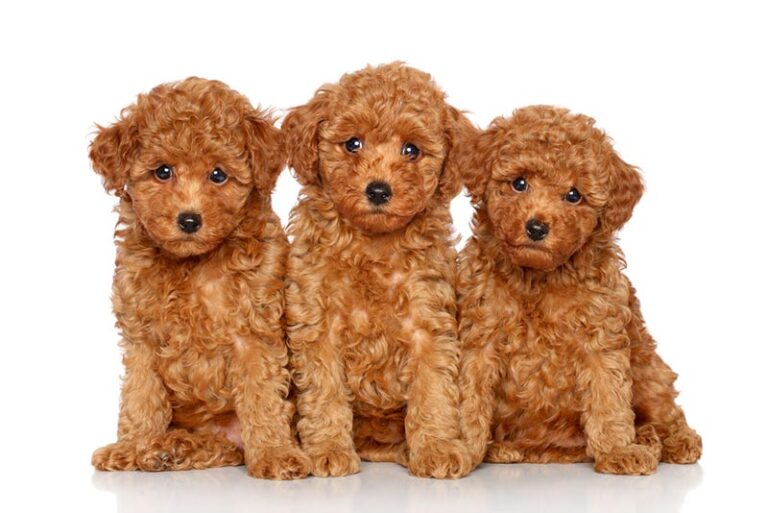
Elegant, athletic and wickedly smart, Toy Poodles stand under 10 inches tall but have an air of dignity and poise. These 4-8 pound cuties are down-sized versions of the larger Standard Poodle, which was originally bred as a retrieving water dog in Germany.
Toy Poodles are active, trainable dogs that excel in obedience, agility and other dog sports. They are affectionate with their families but can be a bit aloof with strangers. These clever pooches need daily mental stimulation to prevent boredom.
As a non-shedding breed, Poodles are often a good choice for allergy sufferers, but they do require regular brushing and clipping to maintain their curly coats. Many owners opt for a sporting clip that‘s easier to maintain than the fancy show clips.
Poodles are generally healthy but can be prone to eye disorders, patellar luxation, Legg-Calve-Perthes disease and other orthopedic issues. Thoroughly research potential breeders to ensure breeding stock is health tested.
With their portable size and people-pleasing nature, Toy Poodles make wonderful companions for novice and experienced owners alike. The breed currently ranks as the 7th most popular in the U.S.
- Pugs
With their smushy faces and curly tails, Pugs are clownish charmers that live to love and be loved. These 14-18 pound balls of fun are the largest of the toy breeds but still compact companions. They originated in ancient China, where they were prized by Emperors.
Bred to be even-tempered human companions, Pugs tend to be playful, mischievous and very fond of people. They generally get along well with kids, dogs and other pets, but won‘t hesitate to sound the alarm at anything unusual. While not extremely active, they do need daily walks to prevent obesity.
The breed‘s short, smooth double coat is easy to groom, but regular cleaning of their wrinkle folds is a must to prevent skin issues. As a flat-faced breed, Pugs are sadly prone to breathing difficulties, eye problems and a myriad of other health issues. Thoroughly research breeders and avoid those that breed for exaggerated features.
With their friendly, adaptable nature, Pugs make good pets for apartments, condos and homes with or without yards. They currently rank as the 28th most popular breed and tend to be long-lived companions with proper care.
- Maltese
As one of the most ancient toy breeds, the Maltese has been a prized companion for over 2000 years. Hailing from the Isle of Malta in the Mediterranean, these 7 pound charmers are graceful athletes wrapped in a silky white coat.
Maltese are both gentle and playful – they tend to prance more than run! Despite their delicate appearance, they are generally fearless and make alert watchdogs. However, they are not a good fit for homes with young kids, as they can be easily injured during play.
The breed‘s long, silky coat requires frequent brushing and occasional trimming to keep it looking polished. Many owners opt to keep the coat short for easier maintenance. The breed‘s pure white fur can stain easily from tears, so daily face cleaning is a must.
Maltese are very people-oriented dogs that crave attention from their special humans. They can be prone to separation anxiety if not taught to feel secure alone. They are clever little dogs that respond well to force-free training methods.
The breed is generally healthy but can be prone to dental issues, luxating patellas and liver problems. With good care, these 7 pound sweethearts make long-lived, affectionate companions that currently rank as the 37th most popular U.S. breed.
- Havanese
The only dog breed native to Cuba, the Havanese was developed from the extinct Blanquito de la Habana ("little white dog of Havana"). These vivacious 7-13 pound bundles of fun are rising stars in the toy group. They currently rank 24th in U.S. popularity.
Havanese have big personalities in compact bodies. They are intelligent, playful and eager to please, with a spring in their step and a sparkle in their eyes. As the quintessential velcro dogs, they thrive on human companionship and do best with an owner who is home often.
The breed‘s silky double coat doesn‘t shed much but requires regular brushing to prevent matting, with occasional trims. Many owners keep the coat clipped short for easier care. The breed comes in a rainbow of colors and markings.
With their gentle disposition, Havanese generally make excellent family companions and get along well with kids, dogs and other pets. However, they can be easily hurt by rough handling, so supervision around young children is a must.
Havanese are very trainable but can be a bit clingy, so teaching independence is key. Provide plenty of mental stimulation, as they get bored easily. These friendly fluffballs can be prone to elbow dysplasia, patellar luxation and heart murmurs.
- Papillons
Named for their plumed ears that resemble a butterfly‘s wings, Papillons are tiny dynamos in elegant packages. These 5-10 pound cuties were favorites of Old Master painters and European royalty for centuries. Today, they rank 53rd in U.S. breed popularity.
Papillons are one of the most trainable and athletic toy breeds – a whiz at agility, obedience and other dog sports. They are also very affectionate, adaptable companions that love their humans but also enjoy chitchatting with other dogs and people.
The breed‘s long, silky coat is surprisingly easy to maintain with regular brushing and occasional baths. They are moderate shedders and can be prone to dental issues, so tooth brushing is important.
Papillons thrive with owners who can keep their nimble minds busy. Despite their delicate appearance, they‘re hardier than many toy breeds and enjoy hiking, ball chasing and other vigorous playtime. However, their boldness can outmatch their size, so supervision around bigger dogs is wise.
Papillons can excel as hearing assistance and therapy dogs, as well as fun family pets. Most are long-lived, hardy companions but can be prone to collapsing trachea, luxating patellas and some eye conditions.
- Brussels Griffons
With a face only a mother could love, Brussels Griffons make up for their unconventional looks with a whole lotta personality. These 6-12 pound wiry-coated charmers were developed in Belgium to catch rats in stables. Today, their favorite quarry is a snuggle on the couch.
Brussels Griffons are known for their human-like expressions, with round inquisitive eyes and a whiskery beard and mustache. Their comical looks suit their quirky temperament – a mix of feisty terrier tenacity and lap-loving neediness. Griffs bond very closely to their people but are often aloof with strangers.
The breed comes in two coat varieties – wiry rough and short smooth. Both require only basic grooming. The breed‘s flat face means they can be prone to breathing difficulties, snoring and sensitivity to heat and humidity. Regular tooth brushing is also important.
Brussels Griffons are clever little pups that are food-motivated and generally easy to train. Early socialization is key to prevent timidity. They tend to do best with older, considerate kids and usually get along with other dogs. Daily walks plus indoor playtime can meet their exercise needs.
These loyal little buddies currently rank as the 98th most popular U.S. breed. While generally healthy, they can be prone to syringomyelia, hip dysplasia and eye disorders like progressive retinal atrophy. With good care, most live over 12 years.
Other Most Popular Toy Breeds in 2024:
11. Cavalier King Charles Spaniel
12. Chinese Crested
13. Italian Greyhound
14. Japanese Chin
15. Miniature Pinscher
16. Pekingese
17. Pug
18. Silky Terrier
19. Toy Fox Terrier
20. Affenpinscher
Conclusion
With so many pawesome toy breeds to choose from, you‘re sure to find the perfect tiny companion to bring laughter, loyalty and love into your life for many years to come. Whether you opt for a merry Maltese or a cheeky Chihuahua, thoroughly research the breed‘s care requirements and health issues and find a responsible breeder to adopt from. And remember, even the tiniest toy breeds need training, exercise, attention and preventative healthcare to thrive.
When chosen carefully and treated like the family treasures they are, toy breed dogs make absolutely delightful companions. Just be sure your lifestyle and home environment are a good match for the breed you‘re interested in. With a toy breed‘s small size comes some big responsibilities – but an even bigger love!
Want to learn more about finding your ideal canine match, big or small? Check out our Breed Selector Tool to discover breeds that suit your lifestyle, and set up a chat with one of our veterinarians to discuss how to help your new pup flourish.


)