Toy Poodle vs Miniature Poodle: Which Petite Poodle is Your Perfect Match?
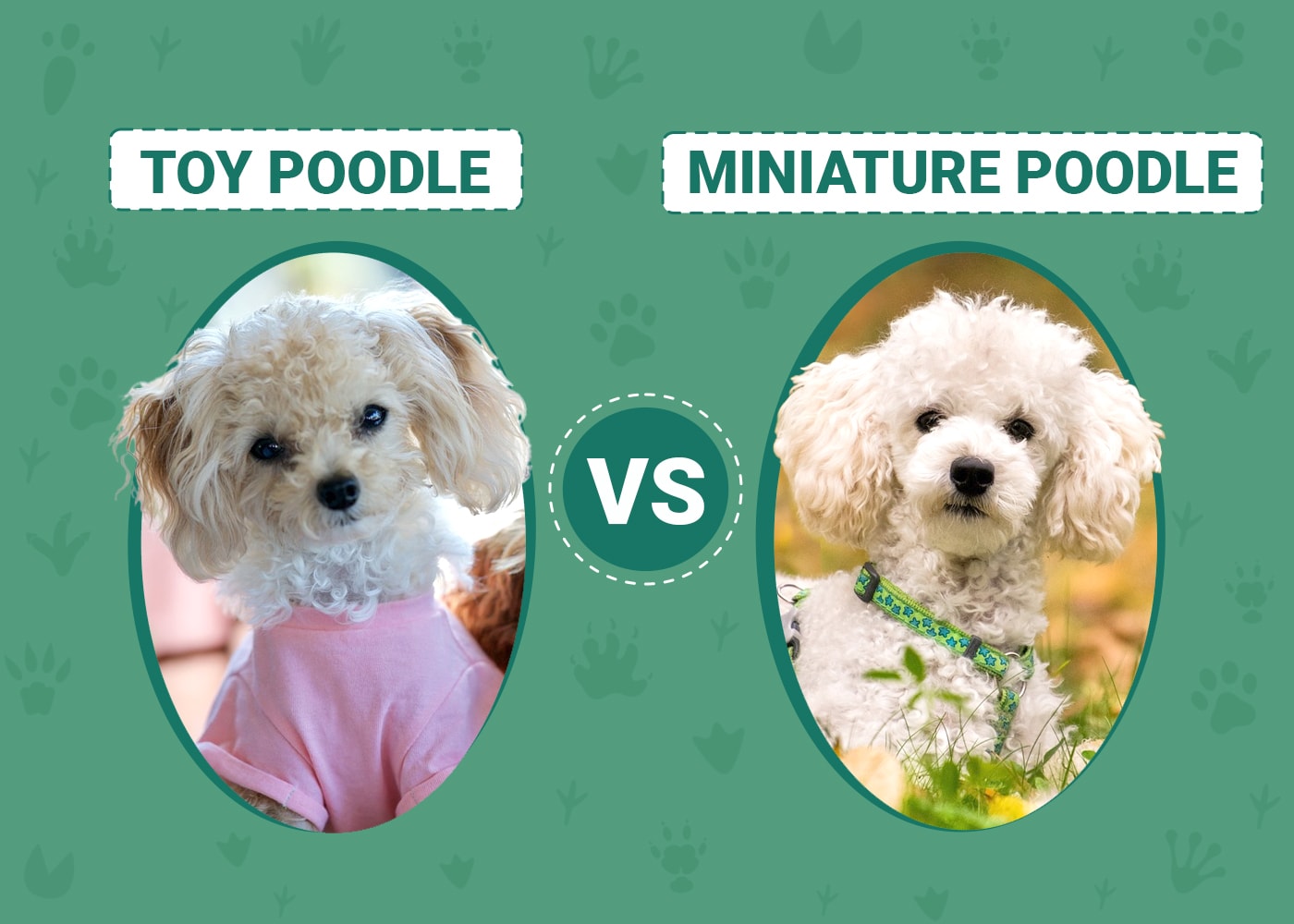
Poodles are a beloved breed that come in three main size varieties: standard, miniature, and toy. While standard poodles are the largest at over 15 inches tall, miniature and toy poodles are both small, intelligent, and affectionate companions. But what exactly distinguishes a mini from a toy poodle? As a dog lover and veterinarian, I‘ll compare these two petite poodles so you can decide which might be the best fit for your lifestyle.
Size and Appearance
The main difference between toy and miniature poodles is size. According to the American Kennel Club breed standards, toy poodles stand up to 10 inches tall at the shoulder and weigh 4-6 pounds. Miniature poodles are 10-15 inches tall and weigh 10-15 pounds.
However, some mini poodles may be smaller and overlap with the toy size range. The categories can be confusing, as in Europe, poodles under 15 inches are simply called miniature or dwarf poodles with no separate toy category.
Other than size, toy and miniature poodles have the same physical traits:
- Curly, dense hypoallergenic coat
- Long, elegant muzzle
- Dark oval eyes with an intelligent expression
- Proudly carried head and neck
- Poofy pompom tail
Many coat colors are possible, including:
- White
- Black
- Cream
- Apricot
- Red
- Silver
- Brown
- Cafe au lait
- Parti-colored
Temperament and Personality
Both toy and mini poodles are known for being smart, proud, and playful dogs. They are eager learners and highly trainable. Poodles excel in sports like obedience and agility as well as being loving family companions.
While individual personalities vary, toy poodles can occasionally be more high-strung and yappy compared to easy-going miniatures. The tinier toys may also be less tolerant of being handled by young children. But in general, both varieties make affectionate, loyal pets.
Poodles tend to bond closely with their owners and need plenty of human interaction. Toys and minis are great options for seniors, apartment dwellers, and those looking for a portable companion to take on outings.
Exercise Needs
You might think such small dogs wouldn‘t need much exercise, but poodles of all sizes are relatively athletic, energetic breeds compared to other companion dogs. Toys and minis both need at least 30-60 minutes of exercise through walks, jogs, and playtime each day.
Mental stimulation is also crucial for these bright dogs. They enjoy learning new tricks, playing games, and puzzle toys that challenge their minds.
The slightly larger miniature poodles can typically handle a bit more activity than toy poodles. But both do well in many living situations as long as they get enough attention and exercise. Access to a safely fenced yard is a bonus.
Grooming and Coat Care
Toy and mini poodles have the same curly, low-shedding, hypoallergenic coat that makes the breed popular with allergy sufferers. But that coat requires extensive grooming to prevent mats and keep your poodle looking their best.
Plan to brush your poodle every few days and get professional haircuts every 4-6 weeks. Trips to the groomer are a must unless you learn to do a full poodle trim yourself, which takes practice, patience, and the right tools.
Eyes should be cleaned regularly to prevent tear stains. Ears also need frequent cleaning to avoid infections, as the drop ear leather can trap moisture and debris. Dental care is also very important for toy breeds like poodles (more on that below).
Health and Lifespan
Toy and miniature poodles have an expected lifespan of 10-18 years, with 12-15 being the average. Toy poodles may live a year or two longer than miniatures on average.
As a breed, **poodles are prone to certain genetic health problems, such as:
- Patellar luxation (around 45% of poodles affected)
- Hip dysplasia (15% affected)
- Progressive retinal atrophy
- Thyroid disease
- Addison‘s disease
- Epilepsy
- Tracheal collapse
- Dental disease**
Interestingly, toy poodles are more prone to patellar luxation due to their tiny size but have a lower incidence of hip dysplasia compared to minis and standards. Toys‘ smaller mouths also make them even more vulnerable to dental problems.
Finding a responsible breeder who performs genetic health testing on their dogs and provides a health guarantee is important. Adopting a poodle rescue is another wonderful way to add a mini or toy poodle to your family.
With regular vet care, dental cleanings, and a nutrient-rich diet, many poodles enjoy long, healthy lives. Keeping them at a slim weight is also key to prevent joint issues and other diseases.
Popularity and Famous Poodles
Poodles of all sizes have been cherished companions for centuries, appearing in artwork as far back as the 1500s. Toy and miniature varieties likely developed in the 1700-1800s when poodles shifted from working dogs to pampered pets of royalty and the wealthy.
Some notable mini and toy poodle owners over the years include:
- Kings Louis XIV and Louis XVI of France
- Queen Anne of England
- Prince Rupert of the Rhine
- Actress Elizabeth Taylor
- Author John Steinbeck
- Pop artist Jeff Koons
According to the AKC registration statistics, poodles are currently the 7th most popular breed in the United States. Miniature poodles rank 16th and toy poodles rank 21st out of 200 breeds.
The most famous poodle in recent history was Ch. Whisperwind On A Carousel, a.k.a. "Masterpiece." This elegant white standard poodle won Best in Show at the prestigious Westminster Dog Show in 1991.
While poodles today are primarily companion animals, they still excel in conformation dog shows as well as obedience, agility, rally, and even hunting trials. A miniature poodle named Ricky was the #1 obedience competition dog in the United States for several years.
Fun Poodle Facts
Still curious to learn more about poodles? Here are a few fascinating facts:
-
The name "poodle" likely comes from the German word "pudelin," meaning to splash in water. It refers to the poodle‘s original job as a water-retrieving duck hunter.
-
Poodles are the national dog of France and the country is often associated with the breed. However, poodles actually originated in Germany.
-
Poodles are considered the second most intelligent dog breed after the border collie. They can learn complex commands and tricks with ease.
-
The elaborate "continental clip" poodle haircut with the puffs of fur served a functional purpose for poodles that hunted waterfowl in cold conditions. The longer hair protected their joints and vital organs from the frigid water while the shaved areas made them better swimmers.
-
A team of poodles once walked the tightrope in the Barnum & Bailey Circus. They were just one of many poodle circus acts over the years that showcased the breed‘s agility and trainability.
Final Thoughts
As you can see, toy and miniature poodles have much more in common than not. Both can make wonderful, adaptable companions for the right person or family.
If you‘re deciding between the two, consider:
- Do you want a tiny portable pup that you can easily carry? A toy poodle may be best.
- Do you have young children that may be too rambunctious for a fragile toy? A sturdier mini might be a safer choice.
- Does a dog with slightly longer walks and more athletic potential appeal to you? Lean towards a miniature.
Whichever petite poodle you pick, you‘ll be getting a smart, devoted dog with the hypoallergenic coat and classic good looks that poodles are renowned for. Just be prepared for plenty of grooming and QT with your new curly-coated companion.